As beverage programs evolve, cider is becoming a serious category for foodservice operators—but sourcing reliable, versatile products requires understanding the producers behind them. Snow Capped Cider, a Colorado-based cidery operating from the Surface Creek Valley on Colorado's Western Slope, demonstrates why vertical integration and orchard-to-bottle control matter for operators seeking consistency, storytelling depth, and pairing flexibility.
The family-owned operation has built its reputation by maintaining complete control over its fruit, from orchard management through fermentation and bottling. That approach translates directly to operational advantages: fruit is harvested based on maturity rather than shipping schedules, individual varieties can be fermented to showcase their distinct characteristics before being blended or bottled as single-varietal releases, and the result is a portfolio with enough diversity to support multiple programming strategies—from wine-pairing programs to casual consumption.
Vertical Integration Means Predictable Supply and Consistent Flavor
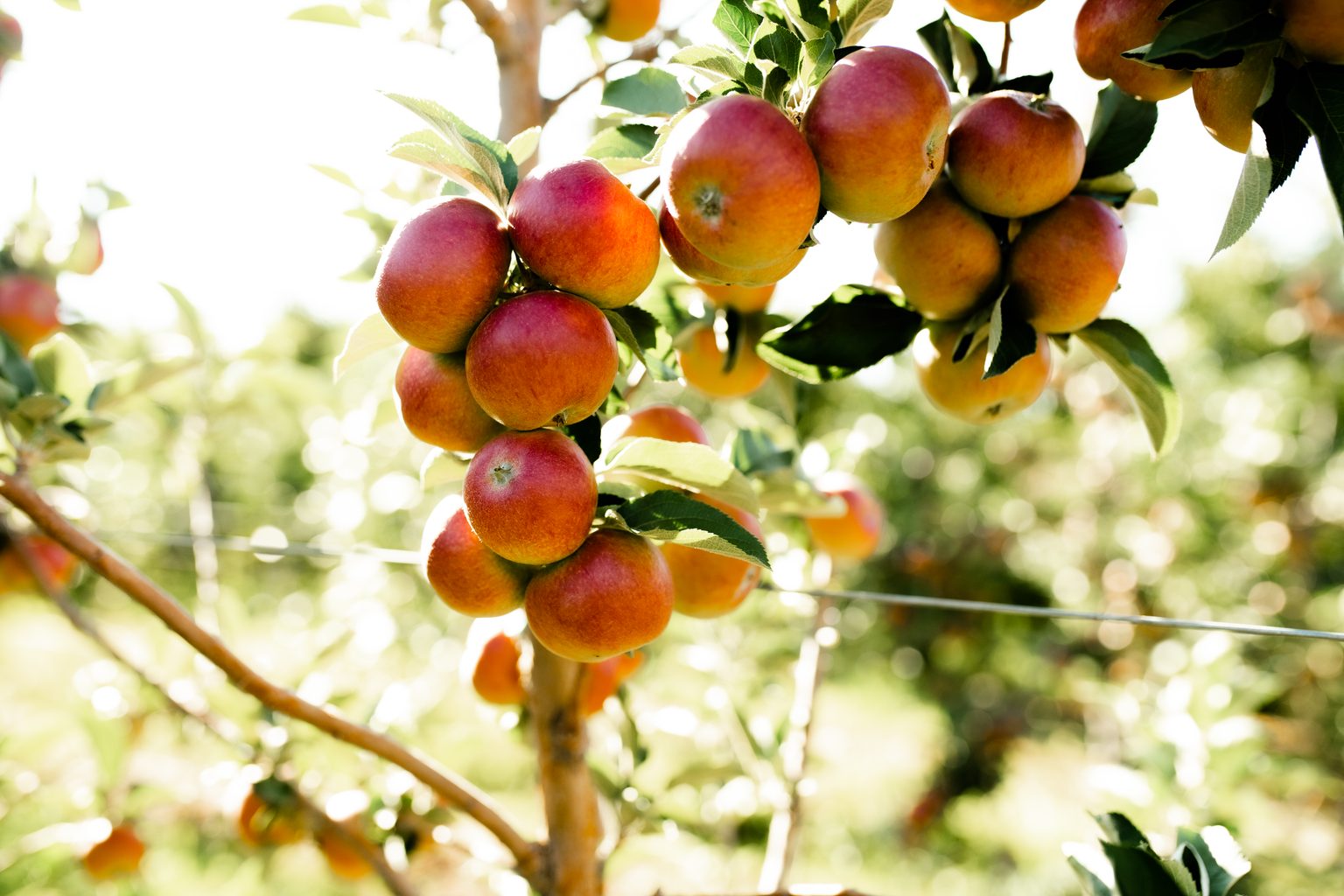
Rather than sourcing fruit from multiple growers, every cider produced by Snow Capped begins in orchards the Williams family owns and manages themselves. The fourth-generation orchardist Ty Williams works alongside head cidermaker Kari Williams to oversee more than 100 apple varieties, including traditional European cider apples, heirloom cultivars, dessert apples, and perry pears.
That level of control allows operators to depend on consistent quality and flavor profiles from year to year. The cidery can make decisions in the orchard that directly influence the finished product, meaning operators can confidently build programs around specific SKUs knowing the character won't shift dramatically between vintages—a significant operational advantage for menu planning and pairing strategies.
Industry Recognition Validates Quality for Your Beverage Program
Snow Capped's commitment to orchard-driven production has translated into widespread recognition that operators can leverage for customer education. The company was named GLINTCAP Mid-Size Cider Maker of the Year for the third consecutive year while also establishing a new competition record with 14 Best in Show awards at the Great Lakes International Cider and Perry Competition, widely regarded as one of the industry's most respected competitions that evaluates thousands of entries from producers around the world.
Throughout 2026, that momentum continued. At the Cidercraft Awards, Snow Capped received 23 medals spanning a wide range of cider styles, including Platinum, Double Gold, Gold, Silver, and Judges' Pick honors. Several of the company's ciders have also been recognized by the Good Food Foundation, reinforcing its reputation among producers focused on agricultural quality and responsible production. These accolades provide the credibility needed when training staff or discussing selections with guests interested in sourcing stories.
Geographic Advantage Creates Distinctive Flavor Profile for Beverage Lists
Much of Snow Capped's production advantage begins with location. Situated at elevations exceeding 6,000 feet beneath Colorado's Grand Mesa, the orchards benefit from warm days, cool nights, mineral-rich soils, and abundant snowmelt irrigation. Those growing conditions encourage apples to develop bright natural acidity while maintaining the sugar levels necessary for balanced fermentation. The climate also allows many traditional cider varieties to perform exceptionally well despite being more commonly associated with European growing regions.
For operators, that translates to ciders with distinctive characteristics that stand apart from commodity producers—a meaningful differentiator when building regional beverage programs or justifying cider's role beyond seasonal or novelty positioning.
Portfolio Diversity Supports Multiple Beverage Programming Strategies
Snow Capped's range demonstrates why cider deserves a serious role in contemporary beverage lists. The portfolio includes traditional bittersweet cider apples such as Dabinett and Yarlington Mill alongside heirloom American varieties, carefully blended expressions, and limited-production specialty releases. Rather than producing cider to fit a single consumer preference, the company has developed a range that demonstrates the diversity of both apples and fermentation styles.
That breadth matters operationally. Beverage directors can introduce dry, tannic, and single-varietal ciders that pair naturally with seafood, pork, cheeses, roasted vegetables, and contemporary American cuisine. For operators focused on regional sourcing and producer-driven storytelling, estate-grown cider provides many of the same attributes that have long made estate wines attractive additions to thoughtful beverage lists. The diversity of the portfolio means a single producer can support wine-style pairing initiatives, casual by-the-glass programs, or specialty bottling strategies simultaneously.
For operators evaluating cider suppliers, Snow Capped's model—connecting exceptional orchard management with disciplined production—illustrates why understanding your producer matters. American cider has evolved from alternative beverage category to an increasingly sophisticated expression of regional agriculture and craftsmanship, making it a credible, versatile addition to serious beverage programs.