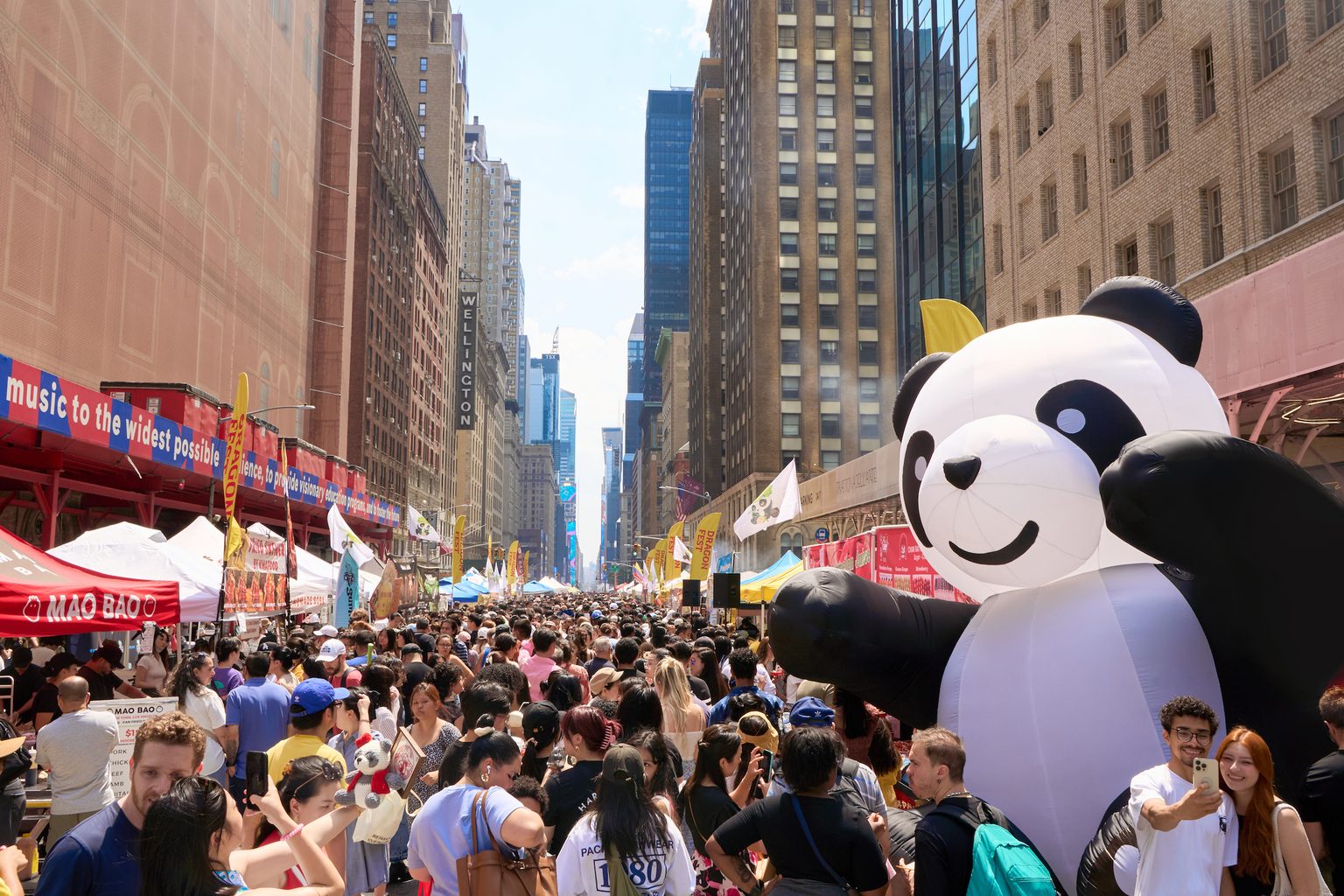
Large-scale food festivals demand operational precision. Panda Fest, which expanded from a single New York City event in 2024 into one of the nation's fastest-growing Asian food festivals, produces events across multiple markets and welcomed more than half a million attendees during its first year alone. For foodservice operators and equipment buyers supporting these events, understanding how festivals execute at this level reveals critical insights into temporary foodservice operations, vendor coordination, and crowd management.
Multi-Market Execution and Venue Logistics
Executing Panda Fest across multiple cities requires operational planning comparable to large-scale hospitality organizations. Every market presents unique logistical considerations, from venue selection and permitting to local partnerships, vendor recruitment, crowd management, and programming. Rather than duplicating the same event from city to city, Panda Fest adapts each experience to reflect the surrounding community while maintaining consistent standards for quality and guest experience. Feedback collected after every festival directly informs future layouts, vendor mixes, and operational improvements.
The company's approach emphasizes localized adaptation. Each market requires vendors to navigate distinct regulatory environments, utility infrastructure, space constraints, and weather conditions. The operational team must coordinate with participating businesses to ensure they have adequate equipment access, power distribution, water service, and waste management capabilities. For vendors—many of whom are family-owned, immigrant-owned, or first-generation entrepreneurs operating on a relatively small scale—this level of coordination often extends well beyond booth placement, including operational guidance, production planning, and support systems that enable them to serve audiences at high volume for the first time.
Vendor Coordination and Back-of-House Support
Supporting participating businesses has become central to Panda Fest's operational model. According to founder BiuBiu, the organization provides operational guidance that helps vendors succeed in a festival setting. For many small businesses, the festival represents their first opportunity to serve thousands of potential customers over a single weekend. This requires careful planning around equipment needs, staffing, ingredient sourcing, and production capacity.
Vendor selection emphasizes businesses that can execute at volume while maintaining standards. Rather than relying solely on viral food trends, the selection process focuses on operations that can sustain consistent quality across high-volume service. Familiar offerings such as soup dumplings, soufflé pancakes, tanghulu, and shaved ice all demand specific equipment, preparation space, and workflow optimization. Supporting vendors in optimizing these operations—from equipment placement to staffing models—directly impacts both vendor success and overall event quality.
Digital Operations and Attendee Management
Managing attendee flow and expectations across multiple cities requires integrated digital strategy. Panda Fest develops localized content for each destination, collaborates with creators who have established relationships within their communities, and highlights participating vendors before tickets go on sale. The approach builds anticipation while setting clear expectations about what attendees will encounter.
This digital infrastructure supports operational efficiency by pre-distributing information about vendor locations, estimated wait times, and parking or access logistics. For venue operators and equipment suppliers, understanding how festivals leverage digital tools to manage crowds and communicate operational details has become essential to supporting these large-scale temporary installations.
Economic Impact and Operational Lessons
Numerous participating vendors have returned after previous festivals to report how the exposure helped expand their businesses, reach new customers, and establish lasting momentum. Those outcomes demonstrate that well-executed festival operations create measurable value for participating foodservice businesses.
The organization has announced additional markets across the United States while exploring new ways to build year-round engagement through merchandise and expanded opportunities for AAPI-owned businesses and culinary entrepreneurs. As the festival model continues to expand, vendors and equipment suppliers should expect increasing demand for solutions that support temporary foodservice operations at scale, from modular equipment and portable utilities to waste management systems and crowd flow optimization.
For operators supporting festival environments, Panda Fest's rapid growth illustrates the operational complexity underlying successful large-scale food events. Success requires coordinating venue logistics, vendor equipment needs, crowd management systems, and digital infrastructure across multiple markets simultaneously. Understanding these operational requirements helps equipment and supplies professionals deliver solutions that enable festival vendors to execute at high volume while maintaining quality and consistency.