Foodservice operators face mounting operational complexity. Managing omnichannel sales, labor constraints, rising costs, and consumer demands requires systems that communicate seamlessly across the entire operation—from front-of-house transactions to back-of-house inventory and staffing. Disconnected platforms create inefficiency and risk. Square has built an integrated commerce ecosystem designed to eliminate those silos and give operators the unified visibility they need to run tighter businesses.
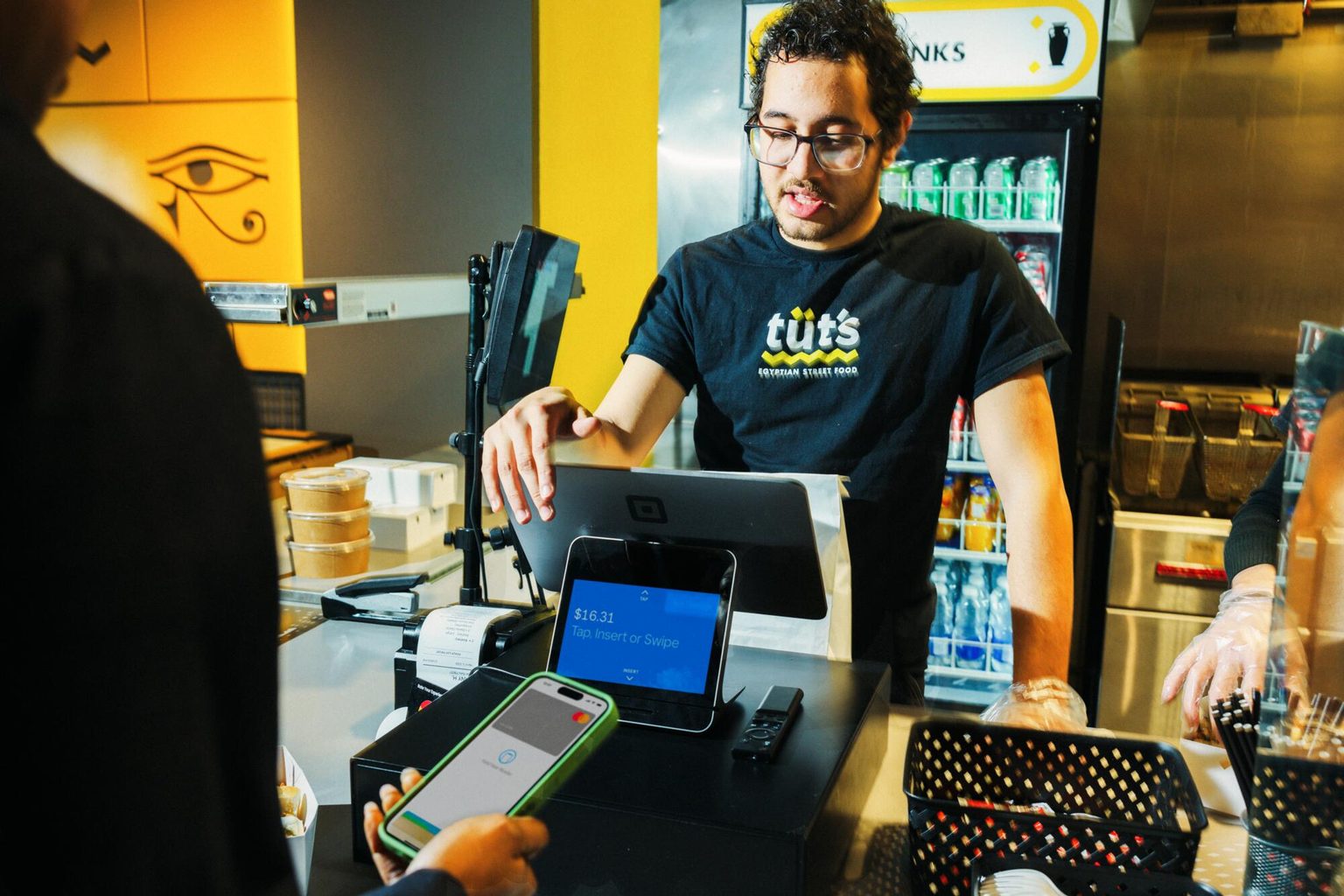
Since its 2009 founding, Square has evolved from a mobile card-payment reader into a comprehensive platform spanning in-person payments, e-commerce, payroll, inventory management, customer engagement, and capital access. For foodservice operators, this integration directly addresses operational realities: a restaurant manager can now process dine-in, takeout, and delivery orders through a single system while simultaneously tracking inventory levels, analyzing real-time performance, and engaging customers through integrated marketing tools. The result is operational clarity and faster decision-making across the entire business.
Unified Systems That Scale Across Channels
Square's approach centers on collapsing operational silos into a single, cohesive platform. Rather than piecing together standalone solutions, operators get integrated functionality where each component strengthens the others. This is particularly critical for multi-location brands and high-volume storefronts where consistency, speed, and reliability at the point of sale are non-negotiable.
Van Leeuwen Ice Cream illustrates this scalability in practice. Growing from a single scoop truck in New York City to a nationally distributed premium brand with brick-and-mortar locations and grocery placement required operational infrastructure capable of handling in-store transactions, retail inventory, and complex logistics simultaneously. High-volume urban locations demand speed and reliability at the POS, while packaged goods expansion introduces entirely different reporting and supply chain requirements. Square's integrated ecosystem allows brands operating across these channels to maintain consistency, streamline back-of-house operations, and access real-time visibility into performance across every touchpoint.
For Van Leeuwen, tools that provide visibility into purchasing behavior, peak demand periods, and product performance directly inform staffing decisions, inventory planning, and product launches. Data-driven insights empower teams to manage operations more strategically rather than reactively, ensuring agility as the brand scales.
Flexible Technology That Adapts to Your Operations
Square's point-of-sale experience prioritizes adaptability over rigid, industry-specific configurations. Rather than forcing operators into predefined categories, the platform offers flexible interfaces that operators can tailor to their specific operational needs without sacrificing simplicity. This matters because modern foodservice businesses blend retail, hospitality, and digital commerce in ways that require equally dynamic technology.
Hardware design emphasizes familiarity and ease of use, reducing the friction that typically accompanies system transitions. Software dashboards deliver immediately actionable insights rather than overwhelming operators with complexity. This design discipline has been central to broadening access to sophisticated operational tools—capabilities once reserved for large enterprises are now available to independent operators and smaller multi-unit brands.
Data Intelligence for Smarter Operations
Square is integrating artificial intelligence into its platform to shift operators from reactive to predictive management. By leveraging real-time data—including local trends, customer behavior, and external factors—businesses can make more informed decisions about staffing levels, inventory allocation, and supply chain timing. This forward-looking operational mode reduces waste, improves labor efficiency, and enhances supply-chain responsiveness.
The company continues exploring advanced automation and emerging payment capabilities, integrating these advances into the broader ecosystem to enhance overall operational value rather than complicating it. For foodservice operators managing tight margins, this discipline ensures innovation translates directly into operational advantage.
Setting Industry Standards for Integrated Operations
Square processes hundreds of billions in annual payment volume across a remarkably diverse customer base. Yet its impact extends beyond scale. It has shifted industry expectations: competitors are now evaluated on their ability to deliver integrated, end-to-end solutions supporting every operational aspect, not just transaction fees or hardware design.
For foodservice operators, this evolution is particularly meaningful. Square's ability to unify front-of-house and back-of-house operations, streamline order management across channels, and provide real-time performance visibility offers a blueprint for how technology can reduce operational friction. It allows operators to spend less time managing systems and more time delivering quality and consistency to customers.
As commerce continues blurring the lines between physical and digital channels, operators will need infrastructure that is reliable, adaptable, and intelligent. Platforms capable of evolving with their users will define the next generation of industry leaders. Square is positioned at the center of that evolution by building infrastructure that anticipates change rather than chasing it. For an industry navigating constant operational demands, that distinction separates service providers from strategic partners.