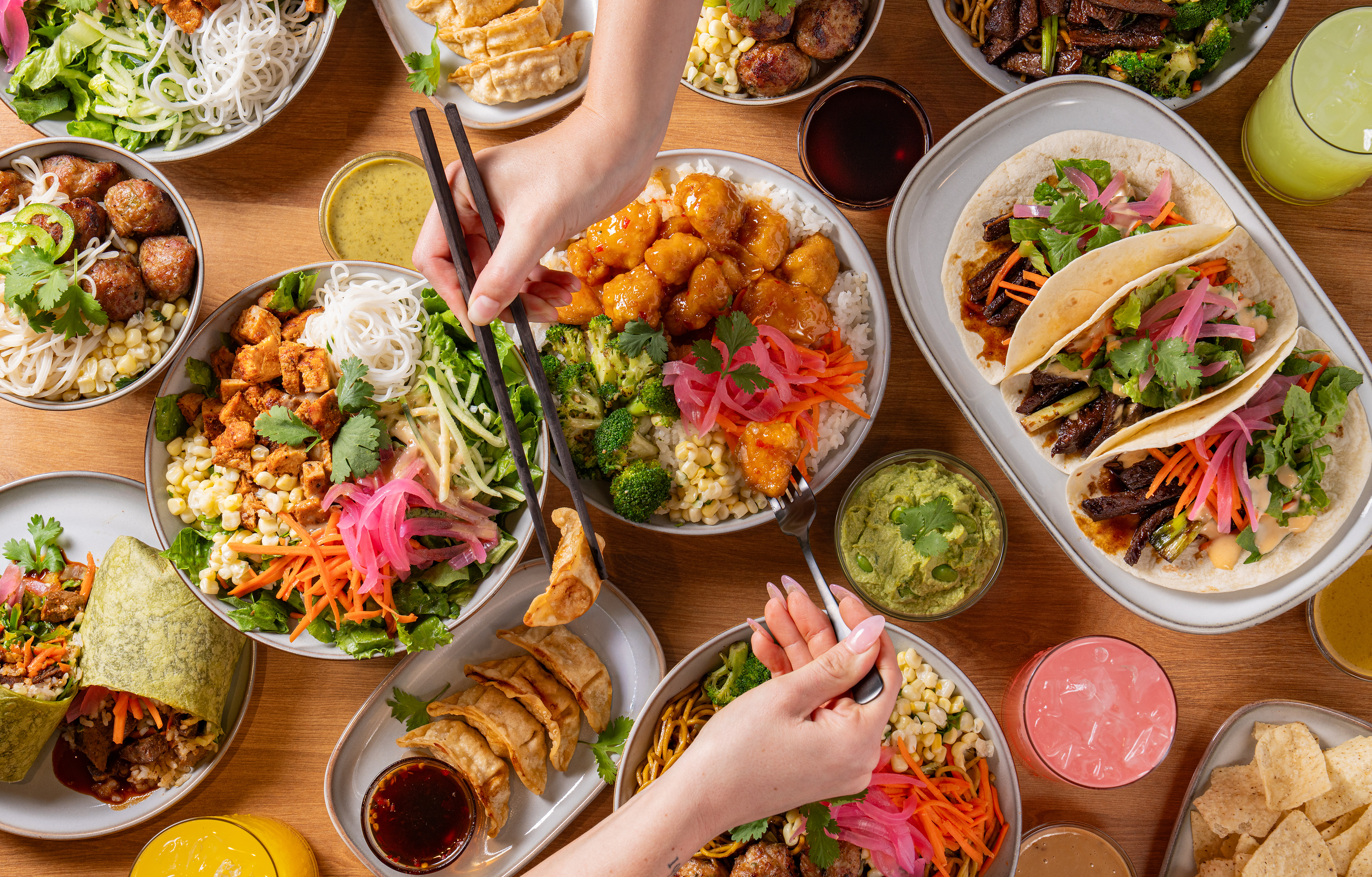
A wave of fast-casual kitchen buildouts is coming for Zao Asian Grill, the 23-unit pan-Asian concept that just landed a strategic investment from Savory Fund and a $12.5 million debt facility from Columbia Bank — capital earmarked specifically to accelerate new location development through 2027.
The brand's 18.2% same-store sales growth signals the kind of unit-level momentum that typically precedes a rapid fleet expansion, and for equipment dealers and kitchen designers operating in the Mountain West and adjacent markets, that means a pipeline of commercial kitchen projects tied to Zao's made-to-order bowl, noodle, and wrap format. With 10 or more new locations projected before the end of 2027, specifiers and dealers can expect recurring procurement cycles for wok ranges, rice cookers, commercial refrigeration, prep tables, and the ventilation infrastructure fast-casual Asian concepts demand.
The Operator Behind the Growth
Zao was founded in 2013 by Dave Duffin, who previously built Zuka Juice and Rumbi Island Grill. Alongside Duffin, operations lead Tom Hartman brings multi-unit systems experience, and CFO Paul Killpack spent 13 years scaling Café Zupas from 9 to more than 80 locations. That financial architecture matters for equipment procurement: operators with sophisticated CFO oversight tend to standardize equipment specs across their fleet, creating predictable ordering patterns for dealer partners. Combined, the leadership team claims more than 75 years of restaurant brand scaling experience.
"What we needed was a partner who could match our ambition without losing sight of what makes Zao special," said Duffin. "Savory gets it. They've scaled brands before and they know the difference between growing fast and growing right."
What Expansion Means for the Supply Chain
Savory Fund — which manages more than $750 million in assets and has spent 18 years operating in the restaurant sector — has a track record of taking emerging fast-casual concepts through rapid unit growth. Its prior portfolio brands include Swig and Mo' Bettahs, both of which underwent significant kitchen standardization as they scaled. Zao marks the fourth investment in Savory Fund III, joining South Block, Bonrue, and Hawkers.
For the commercial kitchen supply chain, a fast-casual Asian concept scaling from 23 to 33-plus units carries meaningful back-of-house implications. Zao's scratch-made sauces and fresh protein preparations require consistent cold-side prep-and-storage infrastructure across locations, while the high-heat cooking demands of Asian-inspired menus put a premium on properly engineered ventilation systems — a specification detail that becomes more complex as the brand enters new markets with varying local code requirements. Equipment consultants specifying new Zao locations will need to balance throughput capacity against the brand's chef-driven quality standards.
Written by Michael Politz, Author of Guide to Restaurant Success: The Proven Process for Starting Any Restaurant Business From Scratch to Success (ISBN: 978-1-119-66896-1), Founder of Food & Beverage Magazine, the leading online magazine and resource in the industry. Designer of the Bluetooth logo and recognized in Entrepreneur Magazine's "Top 40 Under 40" for founding American Wholesale Floral, Politz is also the Co-founder of the Proof Awards and the CPG Awards and a partner in numerous consumer brands across the food and beverage sector.