Applications are now open for the Hormel Foods Culinary Enrichment and Innovation Program (CEIP) Class of 2028, a fully tuition-funded leadership development program created in partnership with the Culinary Institute of America and targeted at experienced commercial and non-commercial foodservice chefs. The deadline to apply is Nov. 30, 2026 at ceipinfo.com.
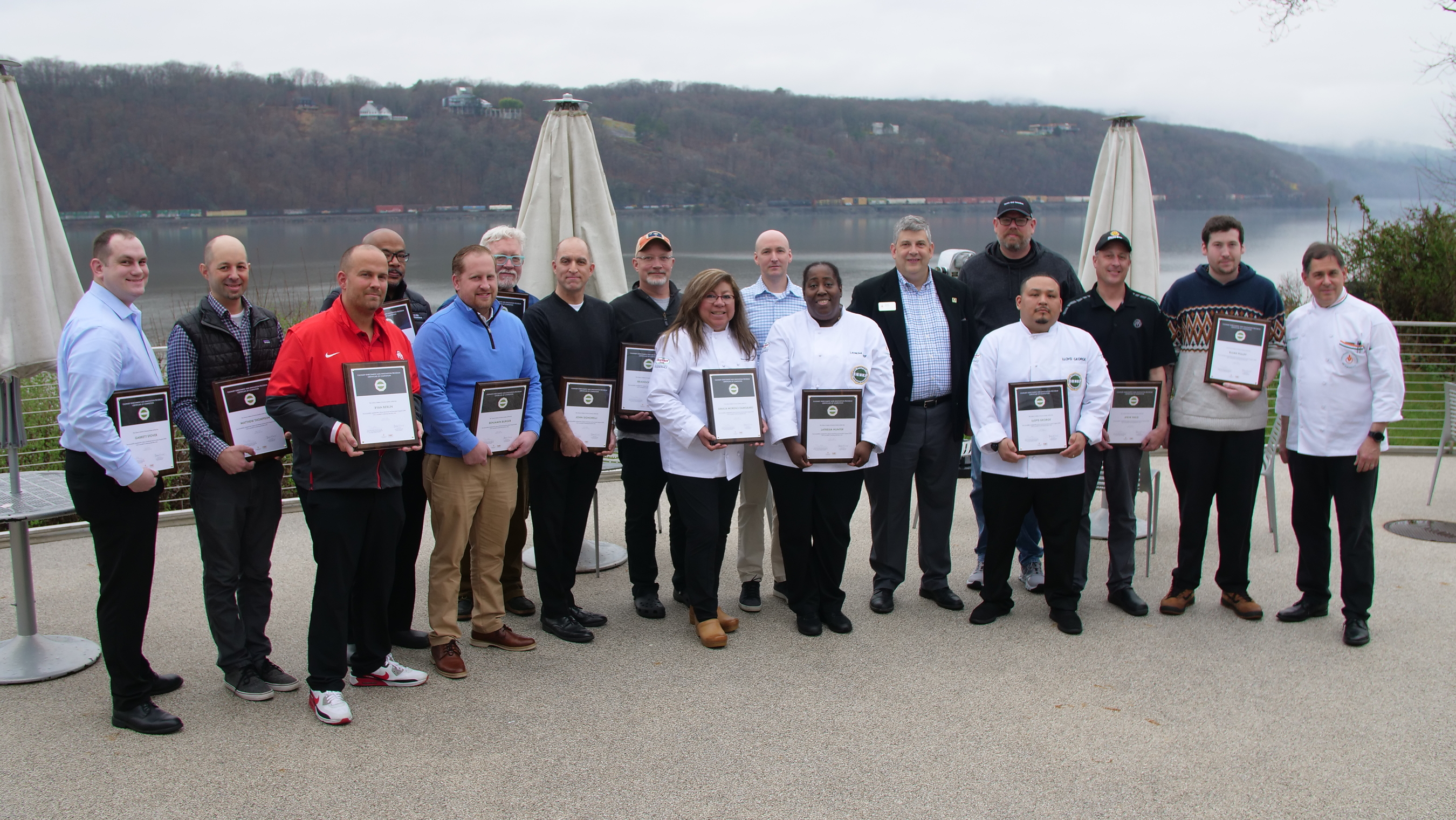
Launched in 2008, CEIP is structured as a yearlong cohort experience that selects 20 accomplished chefs and moves them through three immersive modules at CIA campuses: Module I in Napa Valley, CA (April 5–8, 2027), Module II in San Antonio, TX (October 2027, date TBA), and Module III in Hyde Park, NY (April 2028, date TBA). Participants who complete all three modules receive a CIA certificate of completion along with continuing education units. Hormel Foods covers all tuition and meals; participants are responsible for travel, lodging, and personal expenses.
Who Should Apply
The program targets culinary professionals with more than 10 years of professional experience, demonstrated leadership skills, and a stated long-term commitment to the industry. There are no academic prerequisites — a culinary degree or formal certification is not required for acceptance — making CEIP accessible to career operators and back-of-house leaders who have built their credentials on the job rather than in a classroom. The cohort format is intentionally cross-sector, drawing chefs from both commercial restaurant and non-commercial (healthcare, education, corporate dining) segments to encourage peer learning.
Relevance to the Equipment and Operations Community
For the foodservice equipment and design community, programs like CEIP carry downstream relevance: the chefs who complete advanced leadership training often become the decision-makers or key influencers on kitchen capital investment, menu-driven equipment specification, and back-of-house workflow redesign. As operators face ongoing energy-and-sustainability pressures and increasing demand for kitchen automation, culinary leaders with both creative and operational fluency are more likely to engage meaningfully with equipment consultants and dealer reps during facility planning.
Hormel Foodservice, which positions its fully cooked protein and globally inspired flavor portfolios as solutions to back-of-house labor and throughput challenges, frames the investment as strategic. "Through CEIP, we're investing in experienced chefs who are committed to advancing their craft and elevating the profession," said Annemarie Vaupel, vice president of foodservice marketing at Hormel Foods. The program's structure — mixing culinary creativity with business leadership — mirrors the skill sets operators increasingly require as ghost kitchens and commissary models demand chefs who can manage both menu development and operational efficiency at scale.
Since its 2008 launch, CEIP has built a network of alumni spanning the breadth of the industry, from fine dining to institutional feeding. Hormel's continued underwriting of the program signals a sustained commitment to cultivating relationships with the culinary leadership tier — the same tier most likely to influence product selection, equipment specification, and vendor partnerships at the operator level.
Written by Michael Politz, Author of Guide to Restaurant Success: The Proven Process for Starting Any Restaurant Business From Scratch to Success (ISBN: 978-1-119-66896-1), Founder of Food & Beverage Magazine, the leading online magazine and resource in the industry. Designer of the Bluetooth logo and recognized in Entrepreneur Magazine's "Top 40 Under 40" for founding American Wholesale Floral, Politz is also the Co-founder of the Proof Awards and the CPG Awards and a partner in numerous consumer brands across the food and beverage sector.