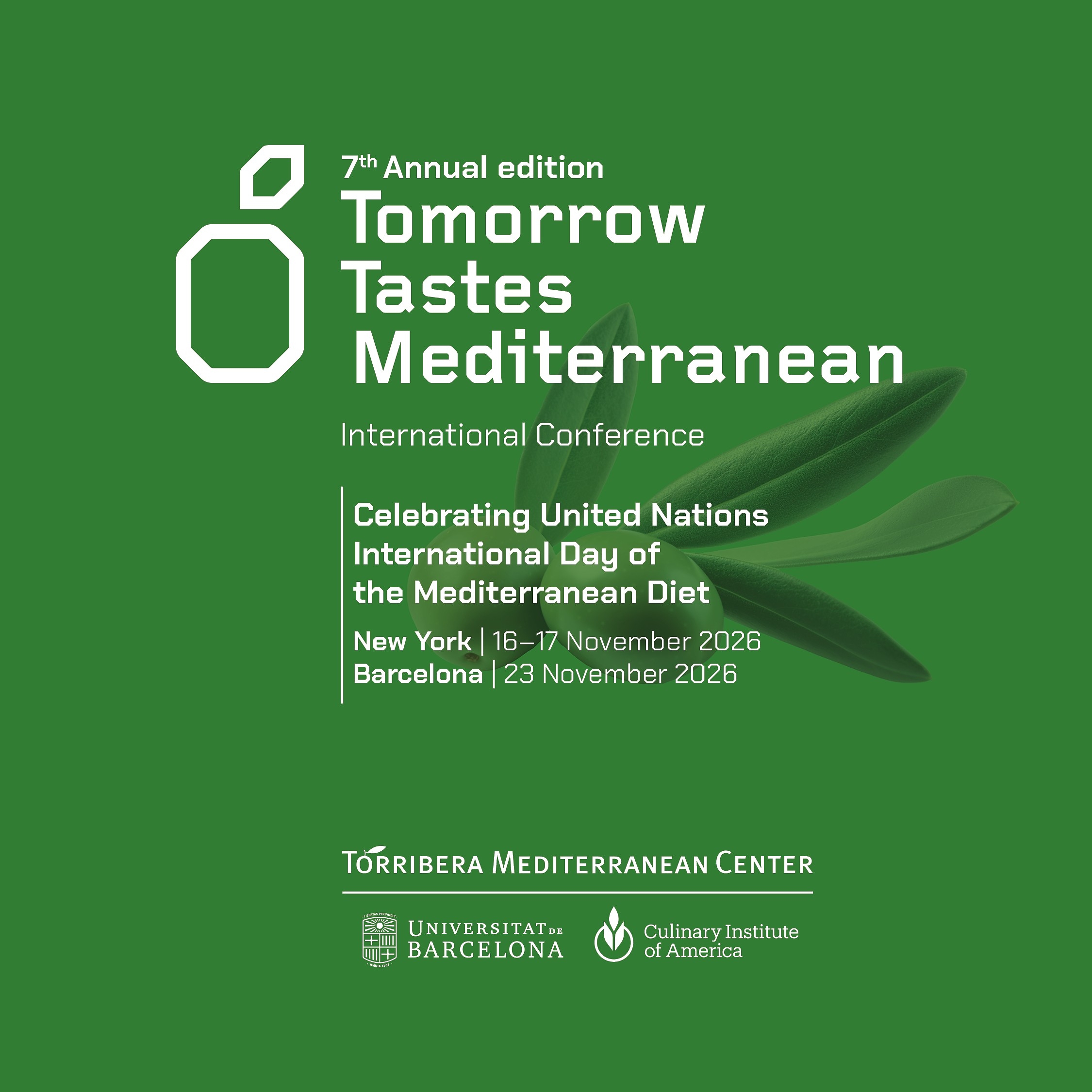
The Culinary Institute of America is bringing the Tomorrow Tastes Mediterranean International Conference to U.S. soil for the first time, with a full day of sessions and hands-on culinary demonstrations scheduled at its Hyde Park, N.Y., campus on November 17 — a direct pitch to foodservice operators and menu developers looking to translate Mediterranean dietary principles into commercial kitchen practice.
The multi-city event, presented by the Torribera Mediterranean Center — a joint initiative of the CIA and the University of Barcelona — opens November 16 in New York City, coinciding with the inaugural United Nations' International Day of the Mediterranean Diet, before moving to Hyde Park and then to Barcelona on November 23. The Barcelona sessions will be available via live webcast.
Hyde Park Sessions
The CIA campus day is built around applied practice rather than theory. Presenters will highlight real-world outcomes from the CIA's Menus of Change University Research Collaborative and Healthy Kids Collaborative, examine the science of plant-based proteins, and lead culinary workshops — all of which carry direct implications for operators specifying menus and kitchen workflow in healthcare, education, and full-service restaurant settings. For foodservice directors and executive chefs navigating the ongoing shift toward plant-forward menus, the Hyde Park program offers a peer-level laboratory environment rarely available outside dedicated R&D facilities.
Speakers and Operator Relevance
The presenter lineup spans research, medicine, and commercial kitchens. On the culinary side, James Beard Award-winning chef Ana Sortun — co-owner of Oleana, Sofra, and Sarma restaurants in Boston — and seafood educator and National Geographic Fellow Barton Seaver bring operator-level perspective to discussions about sourcing, menu design, and sustainability. Costas Spiliadis, chef and founder of Estiatorio Milos, rounds out a group with direct commercial kitchen experience. On the science side, Harvard T.H. Chan School of Public Health professors Frank Hu and Walter Willett — the latter described as the most cited nutrition scientist in the world — anchor sessions on the health data behind Mediterranean eating patterns, intelligence that increasingly shapes institutional and healthcare foodservice procurement.
New York City sessions on November 16 will address broader food-systems topics including the Mediterranean diet in the age of AI, chefs as agents of food systems change, and cooking for social resilience — themes with growing relevance to commissary and ghost kitchen operators designing scalable, health-forward menus at volume.
Conference seating for the New York events is limited and by invitation. Operators, food-business professionals, and foodservice educators can request an invitation at tomorrowtastesmediterranean.org. The event is designed explicitly for a professional audience, not general consumers, making it a relevant continuing-education opportunity for culinary directors, menu consultants, and institutional foodservice managers.
Sponsors include Spain's Ministerio de Agricultura, Pesca y Alimentación as presenting sponsor, with platinum support from Olive Oils from Spain and the Region of Crete, and premium gold support from the California Walnut Commission and Almond Board of California — commodity boards whose ingredients figure prominently in Mediterranean menu applications operators are scaling up across segments.
Written by Michael Politz, Author of Guide to Restaurant Success: The Proven Process for Starting Any Restaurant Business From Scratch to Success (ISBN: 978-1-119-66896-1), Founder of Food & Beverage Magazine, the leading online magazine and resource in the industry. Designer of the Bluetooth logo and recognized in Entrepreneur Magazine's "Top 40 Under 40" for founding American Wholesale Floral, Politz is also the Co-founder of the Proof Awards and the CPG Awards and a partner in numerous consumer brands across the food and beverage sector.