The Culinary Operation
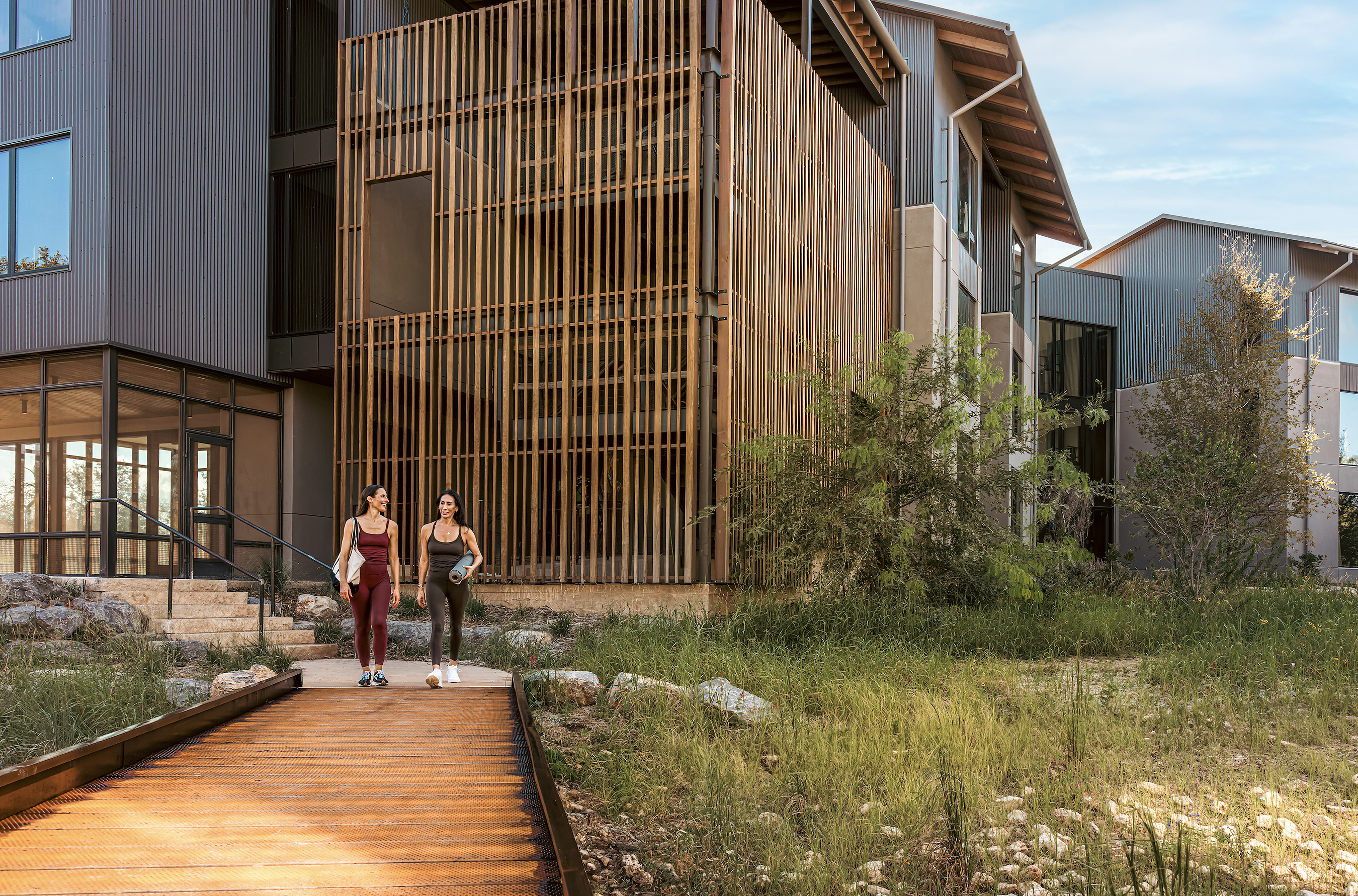
Canyon Ranch Austin has opened on a 600-acre Lake Travis property less than an hour from downtown Austin, and the back-of-house build-out behind its two-restaurant program is one of the more ambitious in Texas hospitality. The resort's culinary program is split across two venues included in the all-inclusive rate: The Flying X Café, a casual daytime eatery, and Estella, a fine-dining concept helmed by Culinary Director Chef Val Cantú — the three-Michelin-star chef behind San Francisco's Californios, the first Mexican restaurant to earn that distinction. Executive Chef Blake Ransom oversees the daily menu and production operations across both venues.
For foodservice equipment specifiers and consultants, the dual-concept model on a remote 600-acre resort property presents a textbook commissary-style challenge: supporting an à la carte fine-dining room and a high-volume café kitchen from a shared back-of-house infrastructure, without proximity to urban distribution networks. The Lake Flato-designed architecture integrates indoor and outdoor spaces throughout the property, a design approach that typically places demands on ventilation layouts and outdoor cooking or service equipment, particularly relevant given the Texas Hill Country climate.
Facility Scale and Context
Beyond the kitchen program, the surrounding facilities give a sense of the mechanical and equipment load this property carries. The Barn is a 27,000-square-foot fitness facility housing a gym, movement studios, and an outdoor field — a footprint that requires its own food and beverage service infrastructure. The Wellspring, a 12,000-square-foot medical center, adds another food-service-adjacent operation given the resort's emphasis on nutrition programming, which spans over 30 daily activities including individual consultations focused on nutrition and performance. A 40,000-square-foot spa with 40 treatment rooms, two pools, and hot-and-cold thermal circuits rounds out the utility demands on the property.
Operators and designers working in the destination-wellness and resort segment will recognize the challenge this scale presents: a fully integrated, all-inclusive guest experience requires cold chain continuity across a sprawling campus, reliable warewashing capacity at volume, and kitchen energy management suited to a property where sustainability credentials carry marketing weight. Canyon Ranch's positioning as a Michelin Guide-recognized brand means food quality benchmarks are set at the highest tier — placing significant pressure on the equipment fleet to perform consistently across both the fine-dining and casual venues.
Operator Implications
The Canyon Ranch Austin opening reflects a broader trend in luxury resort development where the kitchen program is treated as a marquee amenity rather than a support function. Specifiers working on similar destination-wellness or resort-scale cooking equipment projects will note that the dual-concept structure — casual café plus destination fine-dining — is increasingly the template for properties competing at this price point. The all-inclusive model also drives continuous service pressure that single-seating hotel restaurants do not face, demanding higher equipment uptime and throughput.
For consultants specifying prep-and-storage systems at remote resort properties, Canyon Ranch Austin's location — off the urban grid in the Texas Hill Country — underscores the importance of cold-chain redundancy and on-site storage capacity. Distribution runs are longer, and a protein or produce failure in a resort of 141 rooms plus residential homeowners has no quick fix. The resort's 134-homesite Ranch Home Collection, with residences starting at $3.8 million and promising concierge health care and dining access, adds a permanent residential dining component to what would otherwise be a purely transient-guest kitchen calculus.
Written by Michael Politz, Author of Guide to Restaurant Success: The Proven Process for Starting Any Restaurant Business From Scratch to Success (ISBN: 978-1-119-66896-1), Founder of Food & Beverage Magazine, the leading online magazine and resource in the industry. Designer of the Bluetooth logo and recognized in Entrepreneur Magazine's "Top 40 Under 40" for founding American Wholesale Floral, Politz is also the Co-founder of the Proof Awards and the CPG Awards and a partner in numerous consumer brands across the food and beverage sector.