As Il Borro expands internationally into the U.S. market, the Tuscan estate is demonstrating how to scale a fully integrated food and beverage operation without compromising the sourcing, production standards, and operational consistency that define its brand. Understanding how this operation maintains authenticity across vineyards, kitchens, and guest services offers valuable lessons for foodservice operators managing multi-unit or expanding operations.
Operational Consistency Across Growth
The core challenge for any expanding hospitality operation is preserving operational integrity. According to leadership at Il Borro, the non-negotiable elements are straightforward: staying true to sourcing standards, maintaining consistent production methods, and preserving the atmosphere and service protocols guests expect.
"As we expand, the priority is not to adapt to trends, but to remain consistent with our identity," leadership stated. "That means staying true to our Tuscan roots, to a certain way of doing things, from the ingredients we choose to the atmosphere we create."
For operators, this translates to documented procedures, trained staff who understand the "why" behind protocols, and supply chain partnerships that can scale without sacrificing quality.
Vertical Integration: From Vineyard to Plate
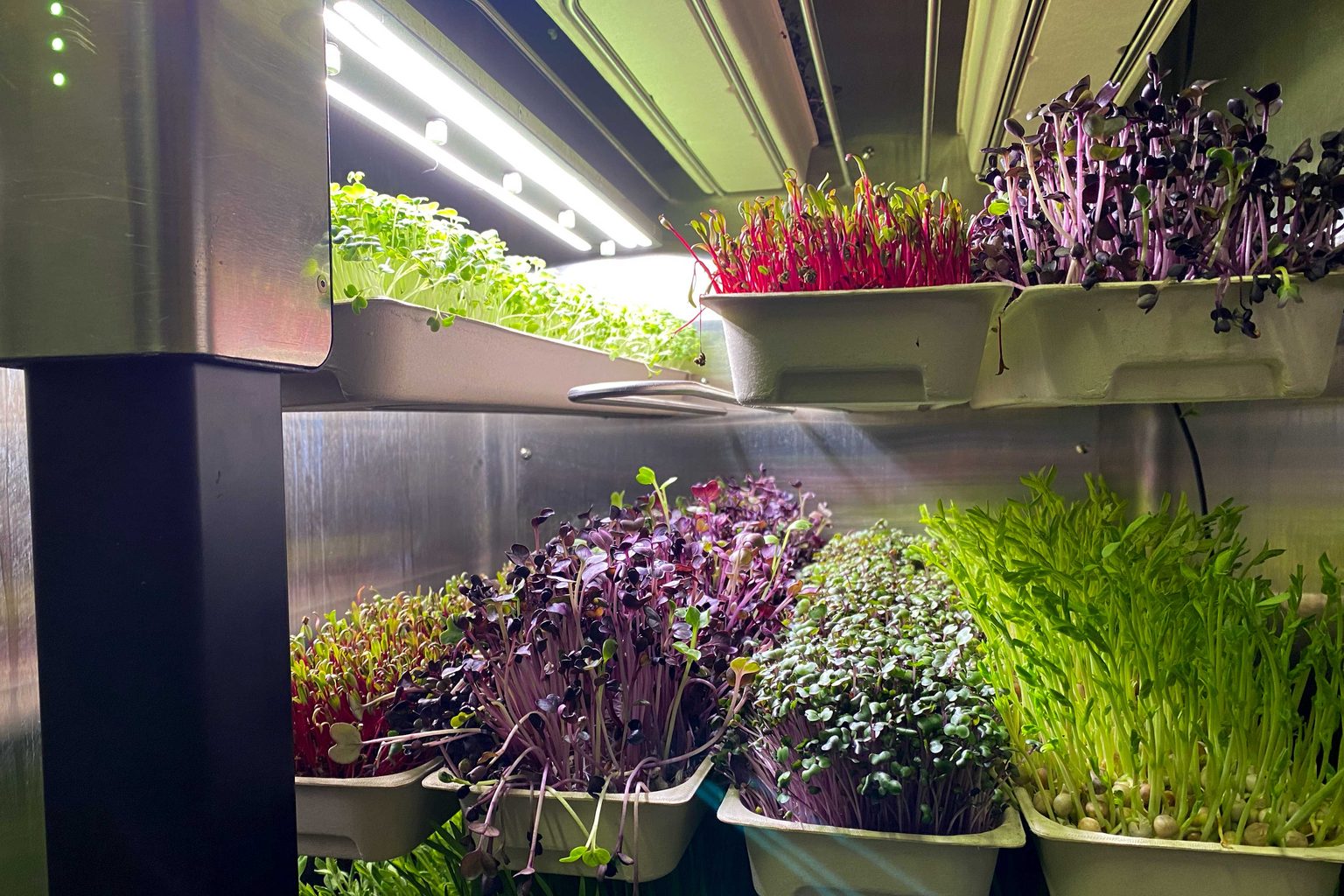
Il Borro operates across 1,200 hectares, managing its own vineyards, vegetable gardens, livestock, and cheese production—a level of vertical integration that fundamentally reshapes operational decisions.
Having direct control over the supply chain changes everything about menu planning and kitchen operations. Rather than building menus around available suppliers, the kitchen works backward from seasonal product availability. "We don't start from what we want to put on the menu but from what nature offers us at that specific moment," Chef Andrea Campani explained. "This allows us to be more creative, but it also requires a great ability to adapt because sometimes a product can change or become unavailable at the last minute."
This operational flexibility requires highly skilled kitchen staff and robust communication between farm management and culinary teams. The tradeoff: short supply chains don't automatically reduce costs. "Working with small producers, sustainable farms, and non-intensive agriculture often involves higher costs compared to industrial or large-scale systems," the operation notes, but guests recognize the value proposition.
Sustainability as Operational Standard
Il Borro's sustainability initiatives aren't marketing overlays—they are embedded in daily operations. The estate has expanded renewable energy production from eight photovoltaic systems in 2013 to eighteen today. In 2024, the operation produced 2.4 GWh of renewable energy, avoiding 669 Tonnes of CO₂; in 2025, production reached 2.7 GWh.
Beyond energy, operational practices reflect sustainability commitments. In the vineyard, the operation uses natural pest management techniques including sexual confusion—small pheromone diffusers that disrupt insect mating cycles—reducing the need for chemical intervention. This traditional French method has been refined through more precise technological application.
For waste and emissions tracking, Il Borro conducted its first comprehensive Scope 3 assessment in 2024, mapping indirect emissions across the entire value chain. The forest management component is significant: around 520 hectares of the 1,200-hectare estate are pristine woodland that sequester CO₂ and shelter approximately 50 protected species.
"Sustainability, to be credible, must be measurable," leadership emphasized. "We will not say it until the numbers support it because sustainability does not tolerate inconsistencies."
Kitchen Sourcing and Menu Architecture
Direct access to production allows the kitchen to operate with complete transparency about ingredient origin and quality. Chef Andrea Campani noted that this proximity to the land enables the team to work "closely with what is being produced in real time, from our own estate and trusted local partners."
The Farm-to-Table menu is constantly renewed, evolving only with seasons and ingredient availability. This approach creates operational discipline: the kitchen must master technique to transform whatever is available into compelling dishes. "The technique is essential to transform every available ingredient into a dish capable of creating emotion," the operation states.
Direct contact with farmers, producers, and breeders also deepens staff understanding of production methods, animal welfare practices, and true seasonality—knowledge that improves execution in the kitchen.
Wine Production and Expansion Strategy
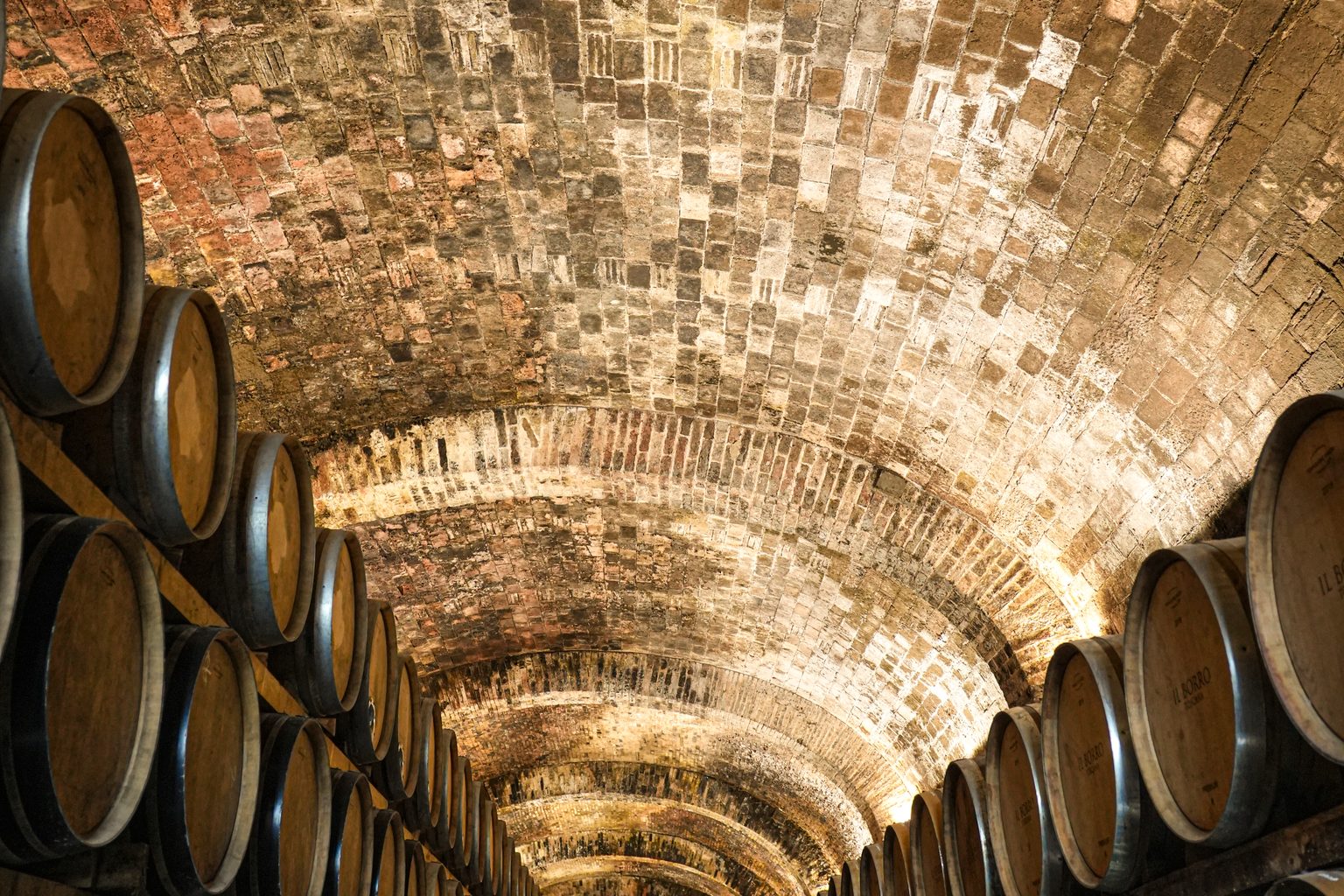
Il Borro's wine operations span traditional amphora-aged expressions like Petruna to expansion into Brunello di Montalcino through the Pinino estate, which dates to the early years of the Brunello di Montalcino DOCG. Each wine project is evaluated on whether it brings something unique to the portfolio and strengthens overall identity.
The amphora-aging technique for Petruna represents a return to older production traditions refined with modern precision—a model applicable across food production: honoring heritage methods while leveraging contemporary technical capability.
Training and Staff Culture
Operating at this level of integration and authenticity requires staff who understand not just tasks but purpose. Direct exposure to production rhythms—from vineyard management to animal husbandry to seasonal availability—builds team awareness that translates into better service and more authentic guest interactions.
"Direct contact with farmers, breeders, and producers allows us to better understand the rhythms of nature, the work in the fields, respect for animals, and the true seasonality of products. All of this enriches our awareness and is reflected in the experience we offer our guests," leadership explained.
For expanding operations, this underscores the importance of staff education about sourcing, production standards, and the "why" behind operational protocols.
Communicating Quality and Value
Sustainability and quality initiatives are most effective when embedded in observable operations rather than positioned as marketing messages. "We don't approach it as something to communicate first — or it would be a marketing tool. It has to be something you experience. Sustainability is part of what you eat, is in the landscape, in how the estate is run."
For operators, this means making sourcing practices, production methods, and sustainability commitments visible and tangible to both staff and guests through menu descriptions, tour opportunities, and staff training that enables informed conversations about quality and origin.