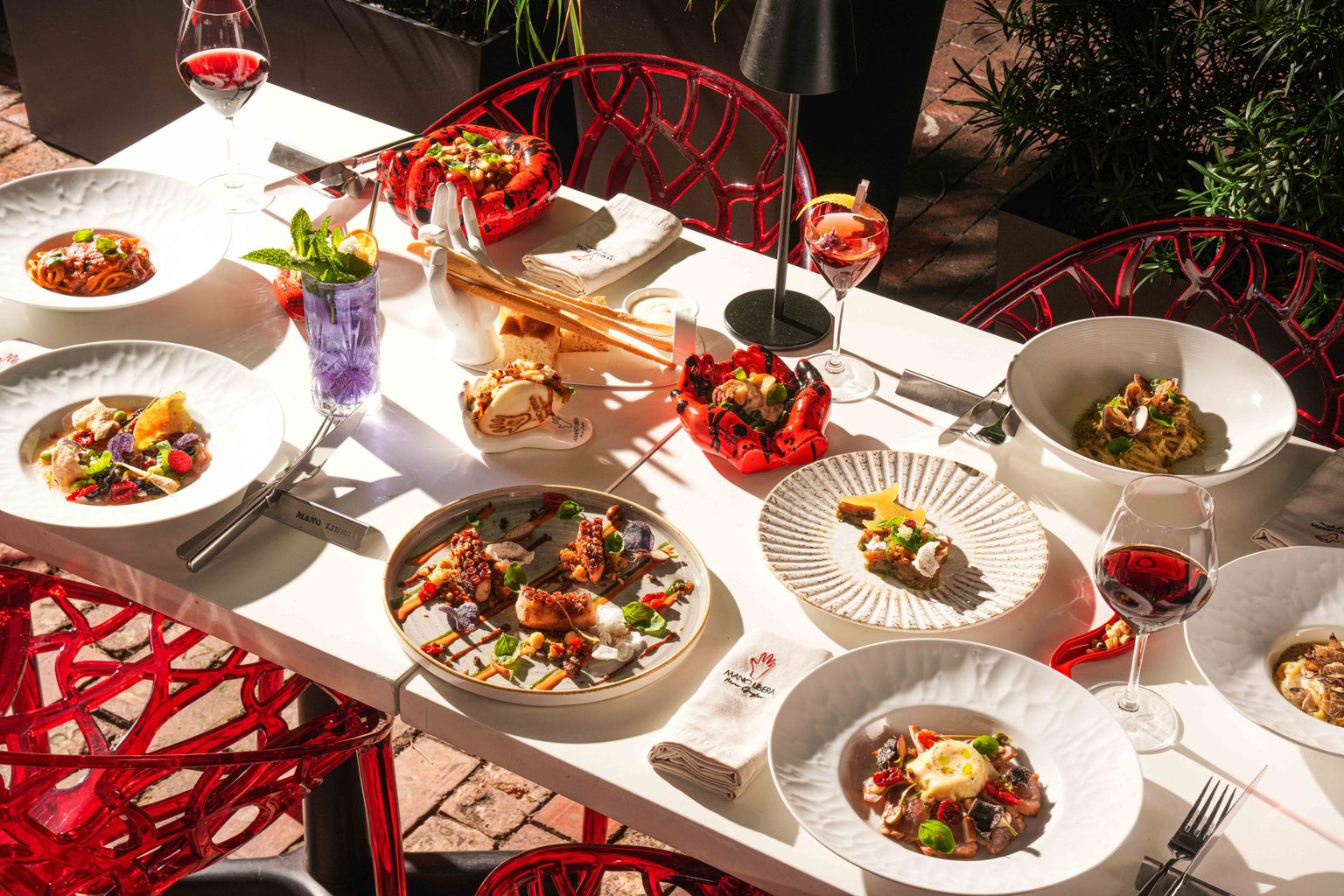
Mano Libera, a contemporary Italian restaurant in South Miami led by Chef Marco Giugliano, has earned recognition from 50 Top Italy—a distinction that underscores not only culinary excellence but also operational discipline. For foodservice operators and equipment buyers, the restaurant's success offers a practical case study in how refined execution, strategic kitchen design, and intelligent service flow drive both reputation and profitability in upscale independent dining.
Kitchen Operations Built on Handmade Foundations
At the core of Mano Libera's operation sits a production-intensive commitment: handmade pastas remain a cornerstone of the experience. This decision shapes everything from kitchen layout to staffing requirements to equipment investment. Unlike standardized pasta programs, handmade production demands dedicated prep space, skilled labor, and equipment designed for small-batch, artisanal output rather than high-volume efficiency.
Chef Marco Giugliano, born in Italy and shaped by years working in global culinary destinations, has built a kitchen that respects Italian culinary heritage while introducing contemporary techniques. Fresh pasta production runs alongside seafood-driven dishes and refined interpretations of regional Italian flavors. This menu structure requires a kitchen team organized by station discipline: separate prep, pasta, sauce, and finishing stations must work in coordinated rhythm to execute the restaurant's immersive dining format.
The menu design itself reflects operational intelligence. Ingredients are treated with restraint and respect, allowing simplicity and execution to carry equal weight. This restraint—avoiding excess and complexity—translates to manageable prep lists, focused purchasing, and reliable consistency across service. Rather than overwhelming the back of house with elaborate plates, Mano Libera succeeds through disciplined execution and balance.
Service Flow and the "Free Hand" Philosophy
The restaurant's name translates to "free hand," a philosophy that has direct operational implications. Rather than following rigid appetizer-and-entrée structures, Mano Libera embraces a format where guests are encouraged to share, engage, and place trust in the chef's direction—what the industry recognizes as an immersive or tasting-driven experience.
This service model demands different kitchen timing, communication, and coordination than traditional à la carte service. It requires a flexible ordering system, strong expediting, and a team trained to work toward a unified progression rather than individual plate readiness. The contemporary design elements and curated details create a space that supports this flow, with service stations positioned for efficiency while maintaining the warmth expected from genuine hospitality.
Operational Standards in a Competitive Market
The recognition from 50 Top Italy arrives during a pivotal moment for Miami's restaurant industry. Over the past several years, the city has attracted chef-driven concepts and international talent, yet many rely heavily on theatrics or exclusivity. Mano Libera competes—and succeeds—by focusing on authenticity and craftsmanship, which translate operationally into consistency, rigorous standards, and reliable execution night after night.
For equipment and supplies buyers, this means understanding what drives purchasing decisions at such establishments: Commercial pasta machines and extrusion equipment, seafood handling systems, precision temperature control, and finishing station setups that support both technical precision and speed. The kitchen's investment in equipment reflects the philosophy that simplicity and execution deserve equal weight in equipment selection.
Today's independent operators increasingly seek restaurant concepts with disciplined operational frameworks and genuine culinary perspective rather than simply chasing trends. Mano Libera answers that demand by presenting Italian cuisine as a living, evolving art form—one that requires well-maintained systems, trained staff, and thoughtfully selected equipment working in concert.
Scaling Consistency Across Service
The restaurant continues to evolve, shaped by seasonality and the ongoing dialogue between Italian tradition and contemporary dining culture. This adaptability requires a kitchen team organized around core competencies and equipment that supports both consistency and flexibility. Whether through seasonal menu adjustments or the demands of coordinated service timing, operational excellence depends on infrastructure that can flex without compromising quality.
For South Miami operators and those managing similar chef-driven concepts, Mano Libera demonstrates that international recognition and sustainable business success increasingly depend on back-of-house discipline: reliable equipment, focused menu design, strategic kitchen layout, and staff systems that support the chef's vision without operational strain.