The Footprint Play
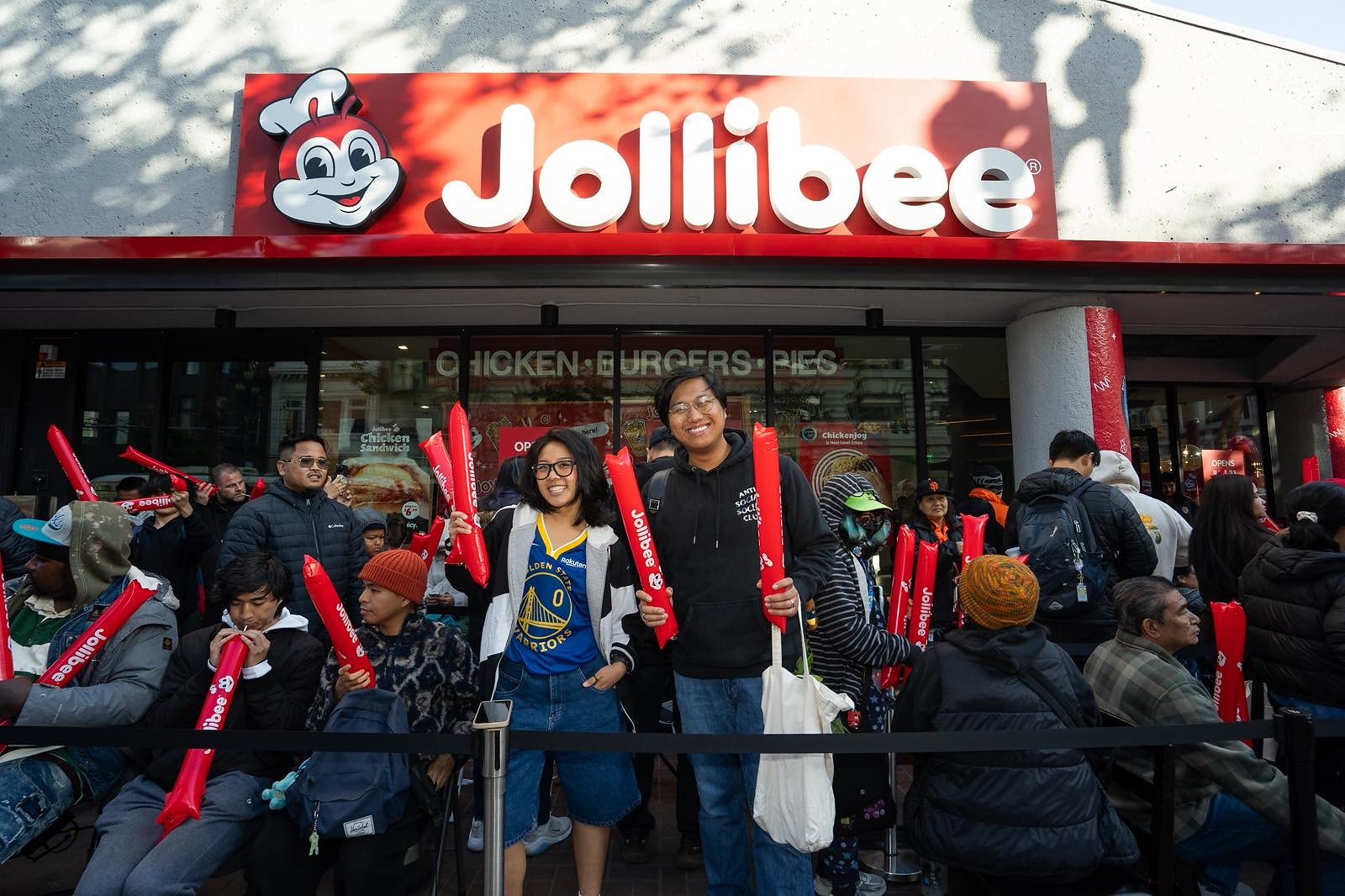
Jollibee opened its downtown San Francisco restaurant at 934 Market Street on July 31, 2026, pushing the Filipino-American fast-food chain to 111 US units and 13 Bay Area locations. The high-pedestrian-traffic site, steps from the Powell Street BART station, operates dine-in, take-out, digital ordering, and catering channels — a service-mode mix that reflects the layered operational buildouts now standard in urban QSR expansion.
Hundreds of customers queued before the 9 a.m. opening, with the first in line arriving at roughly 7:15 p.m. the prior evening — nearly 14 hours early. That demand profile matters to equipment specifiers and kitchen designers: high-volume urban openings increasingly require back-of-house configurations capable of handling sustained throughput across all dayparts without sacrificing ticket times. Operators in the QSR segment have pushed commissary and prep kitchen investment to support exactly these kinds of flagship urban units, a trend tracked closely in foodservice kitchen design and buildout coverage.
California Expansion Pipeline
The San Francisco opening is not a standalone event. Jollibee confirmed two additional California cities — Oxnard and Elk Grove — are each set to receive their first Jollibee locations in the coming months, extending a California buildout that already stretches from the original US flagship in Daly City to a recent opening in Stockton. For dealers and equipment reps active in the California market, this pace of sequential openings signals ongoing demand for commercial kitchen fit-outs aligned with Jollibee's fried-chicken-centric menu.
The 934 Market Street location's menu centers on bone-in fried chicken (Chickenjoy, Original and Spicy), chicken sandwiches built on double hand-breaded white-meat breast fillets, and a new chicken nugget line available in 5-, 8-, 15-, and 30-piece formats. That nugget addition — made from 100% all-white-meat chicken breast — will roll out to the San Francisco unit soon, adding another high-volume fry station demand item to back-of-house load calculations. Equipment consultants specifying frying capacity for new Jollibee buildouts should factor in the expanded nugget SKUs when sizing oil volume and filtration cycles.
Chain Scale and BOH Implications
Jollibee Foods Corporation operates more than 10,000 stores across 33 countries under 19 brands, giving it the procurement scale to standardize kitchen equipment packages across US openings. Beth Dela Cruz, President of Jollibee North America, characterized the San Francisco market as foundational to the brand's US presence, noting the brand's nearly 30-year connection to the Bay Area community. That tenure means established supply-chain and equipment-servicing relationships in the region — an advantage as the chain accelerates its California rollout.
For the foodservice equipment trade, Jollibee's US expansion arc — from a single Daly City unit to 111 locations — illustrates how a heritage QSR brand can generate consistent capital-goods demand across years of sequential openings. Dealers and manufacturers' reps tracking QSR cooking-equipment procurement cycles should note that each new California unit represents a full commercial kitchen fit-out, from fry stations and holding equipment to refrigeration, ventilation, and warewashing systems tailored to high-volume fried-chicken service.
Written by Michael Politz, Author of Guide to Restaurant Success: The Proven Process for Starting Any Restaurant Business From Scratch to Success (ISBN: 978-1-119-66896-1), Founder of Food & Beverage Magazine, the leading online magazine and resource in the industry. Designer of the Bluetooth logo and recognized in Entrepreneur Magazine's "Top 40 Under 40" for founding American Wholesale Floral, Politz is also the Co-founder of the Proof Awards and the CPG Awards and a partner in numerous consumer brands across the food and beverage sector.