Velas Resorts has fundamentally restructured how luxury hospitality groups approach food and beverage operations. By positioning culinary excellence as a central operational pillar rather than an ancillary amenity, the company has achieved Michelin recognition for Cocina de Autor in Los Cabos—a credential that signals kitchen standards typically reserved for standalone fine-dining establishments, not resort properties.
The operational significance becomes clear when examining how the company executes multi-property dining programs. A recent event at Grand Velas Riviera Nayarit illustrated the logistics: the Michelin-starred culinary team from Cocina de Autor Los Cabos executed a complete takeover of the Piaf restaurant in Puerto Vallarta, deploying the flagship kitchen's standards, techniques, and ingredient sourcing protocols across locations. For operators managing multiple foodservice venues, this demonstrates a scalable model for maintaining consistency in high-volume, high-complexity dining environments.
Ingredient Sourcing and Menu Architecture
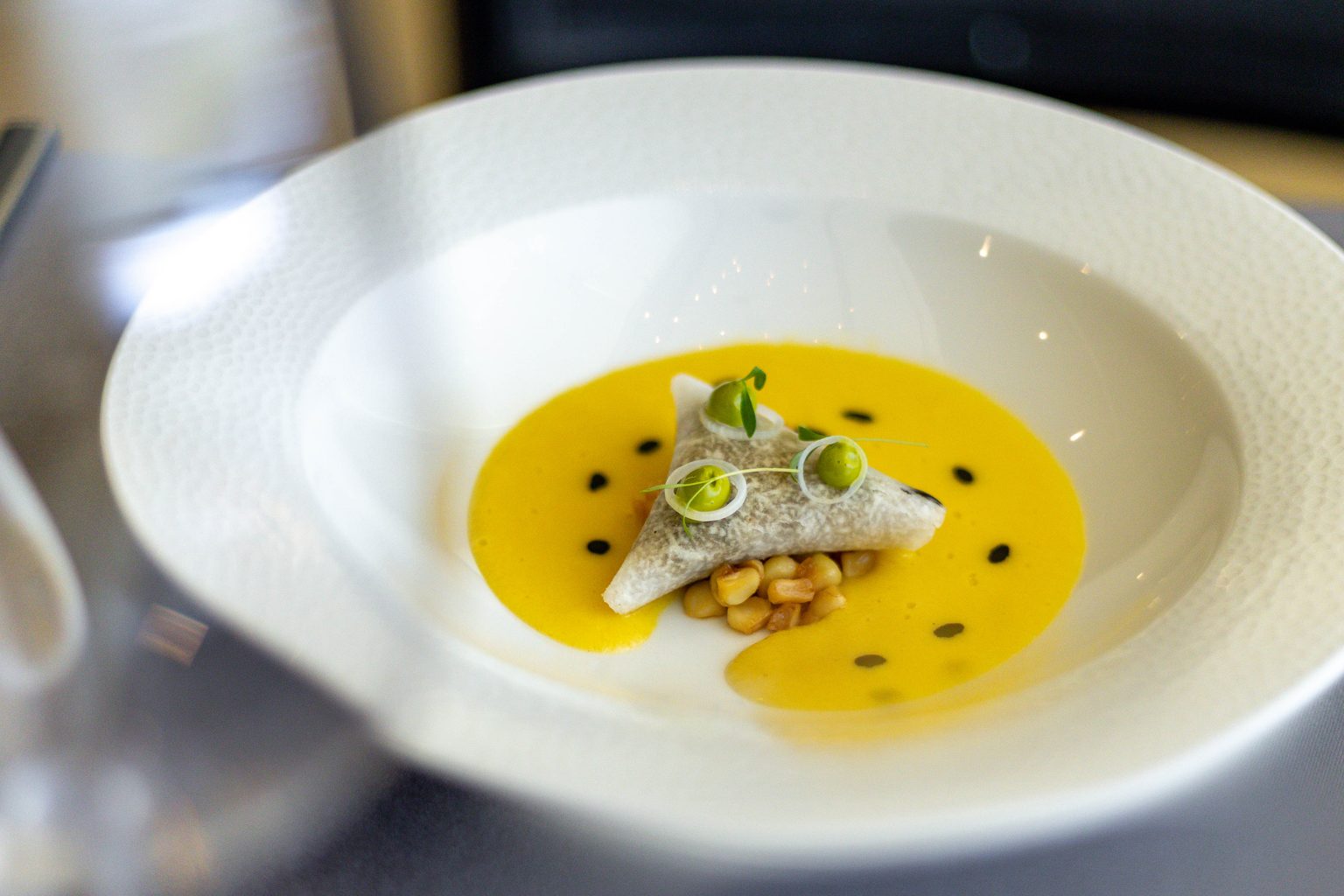
The operational framework centers on ingredient-driven menu construction—a discipline that directly impacts procurement, storage, and kitchen workflow. Escamoles (a traditional Mexican ingredient) were paired with avocado, habanero, cilantro, and corn masa; bluefin tuna combined with hoja santa, manzano chile, cured radish, and nixtamal; and yellow corn velouté incorporating shiitake mushroom, pecan, and jicama. This depth of ingredient specificity requires sophisticated sourcing networks and careful inventory management across multiple locations.
The precision extends to accompaniments: Royal Osetra caviar paired with blue abalone, cauliflower, kaffir lime, and crème fraîche; wagyu tartare; Casa Madero wine pairings; and triple-seared Angus tenderloin. Each plate demonstrates restraint in execution—the kitchen emphasizes texture, balance, and nuance rather than relying on expensive ingredients for visual spectacle alone. For operators, this translates to measurable kitchen discipline and portion control standards.
Operational Model for Resort Dining
Beyond ingredient selection, the model reflects specific operational choices. The kitchen's approach to Mexican culinary identity—using contemporary techniques to elevate traditional foundations rather than abandoning them—creates consistency across menus that can be replicated in different properties. The yellow corn velouté with shiitake mushroom, pecan, and jicama exemplifies this: a foundational ingredient treated with technical precision and presented in a way that works in both flagship and satellite locations.
The tequila reposado cocktail program (built with St-Germain, Damiana, citrus, and tonic) demonstrates how beverage operations align with kitchen philosophy, extending the brand's standards into the bar operation.
For foodservice buyers and operators evaluating multi-unit fine-dining programs, Velas Resorts' structure offers a working blueprint: Michelin-starred validation of a single flagship property, scalable ingredient sourcing, kitchen-driven menu consistency, and deliberate positioning of culinary operations as profit centers rather than support functions. This repositioning has redefined cost structure expectations for luxury resort dining in Mexico and establishes metrics for what fine-dining foodservice operations can achieve across distributed properties.