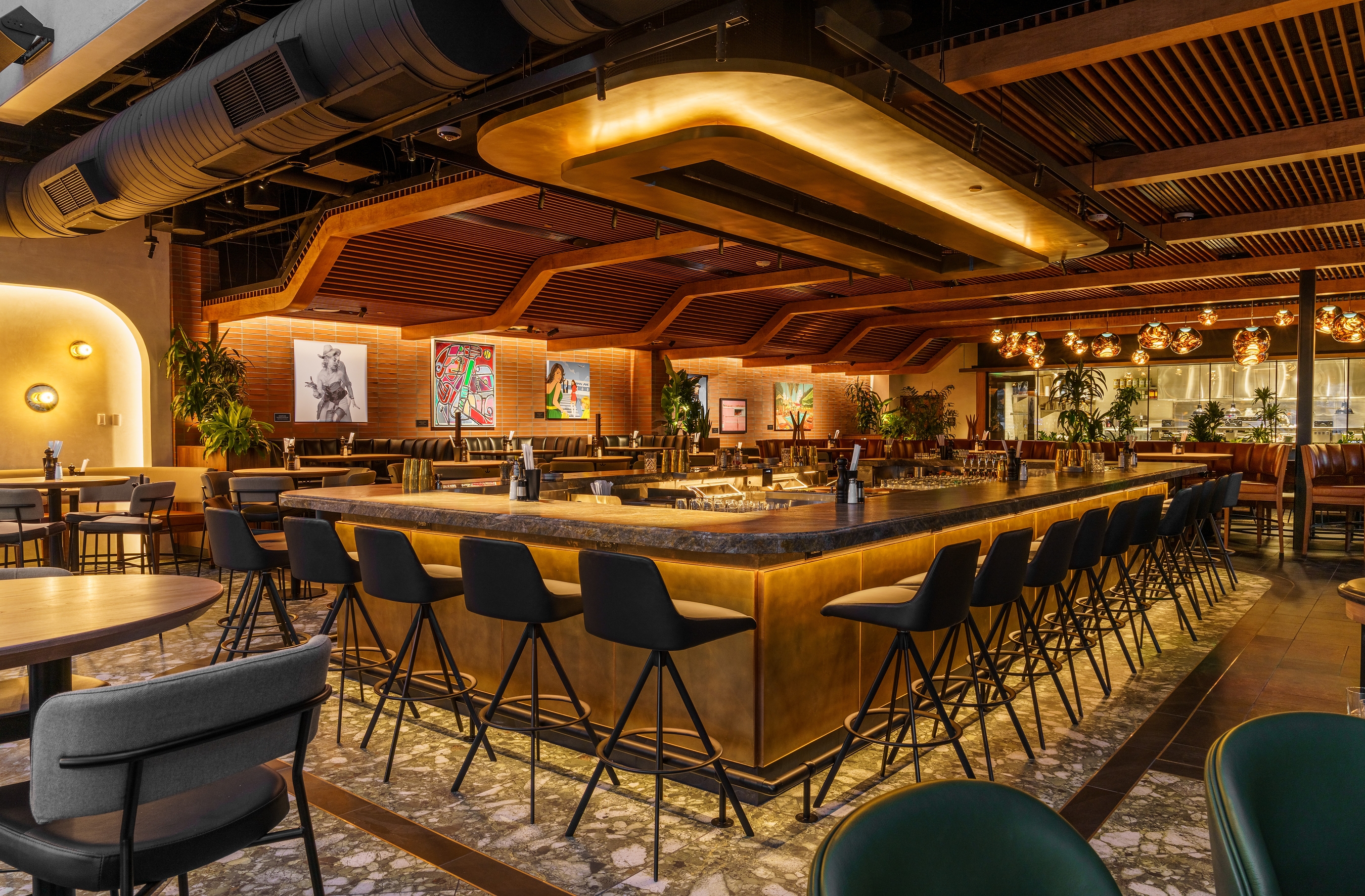
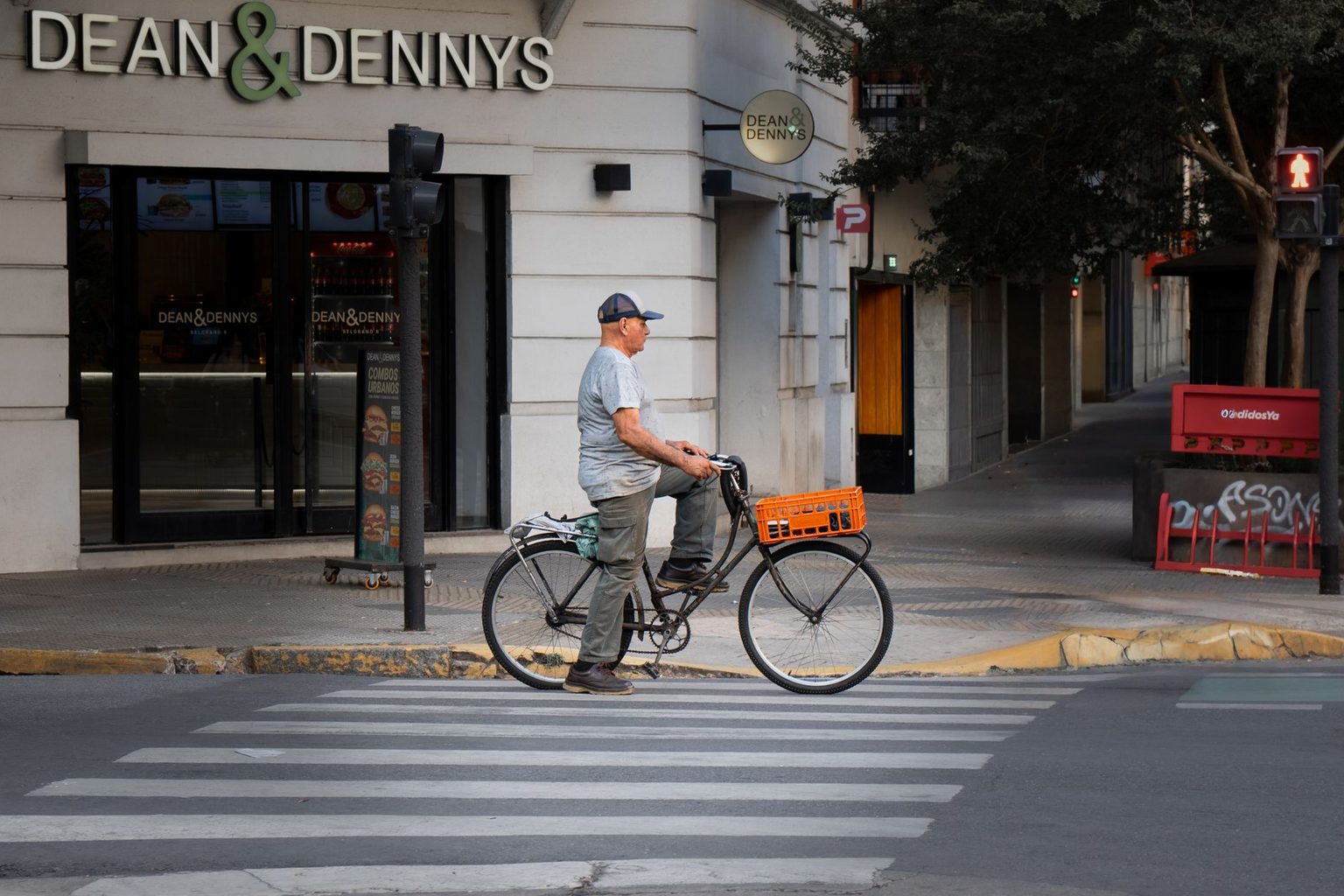
Denny's Canada has opened a new diner in Moncton, New Brunswick, marking the brand's latest expansion in the Maritime provinces under its "Canada's Modern Diner" positioning. The location serves all-day breakfast, lunch, dinner, and late-night dining — a daypart span that places significant demands on kitchen equipment flexibility and throughput.
Full-service diners operating across four dayparts require a back-of-house configuration capable of handling high-volume egg and griddle work during breakfast, hot line production through lunch and dinner, and sustained output into late-night hours. For equipment dealers and consultants specifying similar builds, that typically means commercial flat-top griddles, charbroilers, and holding equipment sized for continuous operation rather than peaked-service designs common in limited-service concepts.
Kitchen Build Implications
Expansions like this one reflect a broader trend of casual dining operators investing in refreshed kitchen infrastructure as brands reposition for modern diner formats. All-day breakfast programs in particular stress cooking line configurations, requiring adequate griddle surface, dedicated egg station capacity, and ventilation systems that handle simultaneous bacon, egg, and hash production alongside lunch and dinner proteins. Operators and consultants specifying these kitchens often balance hood sizing and make-up air against the reality of overlapping menu categories running at the same time.
Refrigeration planning is equally critical in a format like this. Holding fresh eggs, dairy, proteins, and produce for four overlapping dayparts demands a walk-in and reach-in strategy that keeps par levels accessible without sacrificing cold-chain integrity — an area where cold storage spec and layout decisions can directly affect food safety compliance and labor efficiency during high-volume shifts.
Canadian Market Context
Denny's Canada's continued expansion into secondary markets like Moncton signals ongoing franchisee confidence in the full-service diner segment in Canada, even as the broader foodservice industry navigates labor costs and energy pricing pressures. New builds in markets of this size typically involve local equipment dealers and regional foodservice consultants who spec and supply the kitchen package, representing a tangible downstream opportunity in the dealer channel. Equipment packages for full-service diners of this scale commonly include commercial ranges, heavy-duty griddles, fryers, refrigerated prep tables, undercounter refrigeration, and commercial dishwashing infrastructure to support multi-daypart covers.
Written by Michael Politz, Author of Guide to Restaurant Success: The Proven Process for Starting Any Restaurant Business From Scratch to Success (ISBN: 978-1-119-66896-1), Founder of Food & Beverage Magazine, the leading online magazine and resource in the industry. Designer of the Bluetooth logo and recognized in Entrepreneur Magazine's "Top 40 Under 40" for founding American Wholesale Floral, Politz is also the Co-founder of the Proof Awards and the CPG Awards and a partner in numerous consumer brands across the food and beverage sector.