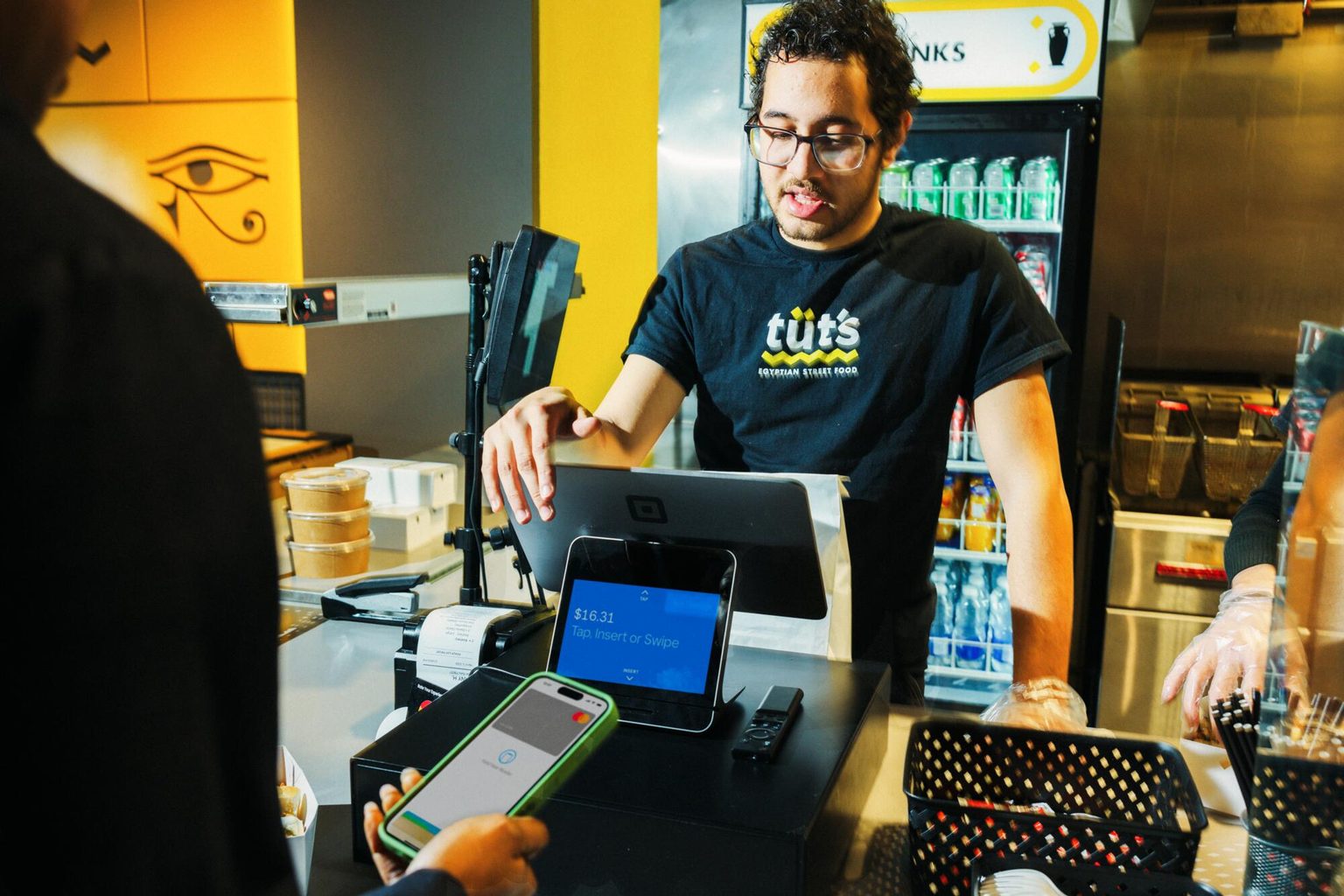
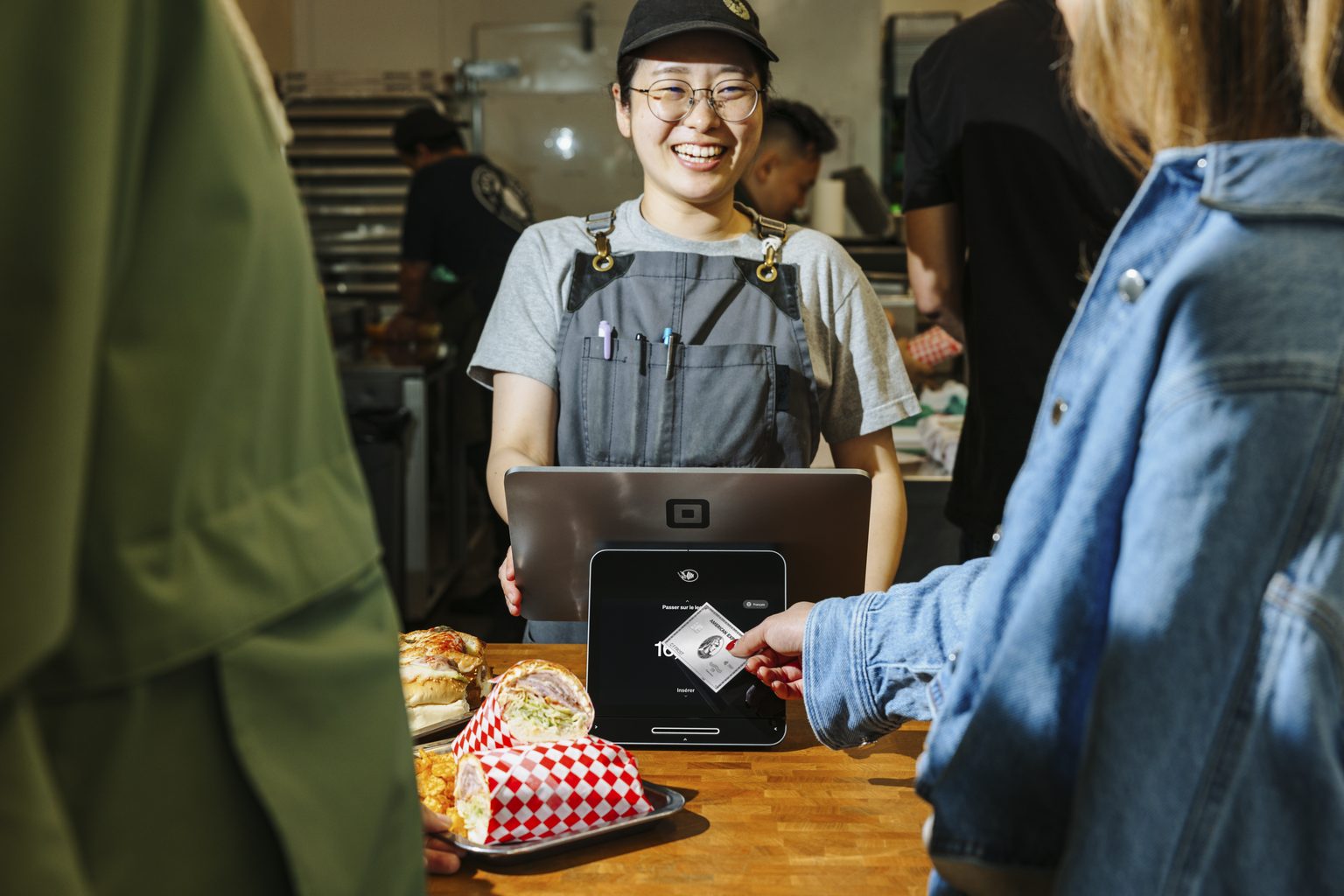
Canada's foodservice operators are drowning in fragmented systems. Point-of-sale, inventory management, payroll, delivery integration, online ordering, loyalty programs—each typically requires a separate platform, separate training, separate vendor relationships. The result: operational inefficiency, data silos, and unnecessary complexity that drains margins and distracts management from what matters: running the business.
Square has positioned itself as the antidote to that fragmentation. Rather than piecing together disconnected software layers, the company offers a unified ecosystem where payments, inventory, payroll, reporting, customer data, and online commerce function as integrated components. For operators managing dine-in service, third-party delivery, retail products, and mobile ordering simultaneously, that integration directly translates to operational clarity and control.
Integrated Operations, Not Piecemeal Solutions
The operational advantage is tangible. An integrated platform eliminates the manual data entry, reconciliation errors, and blind spots that plague kitchens and back-of-house teams relying on multiple systems. Kitchen workflows, order pacing, menu modifications, and real-time inventory visibility feed into a single operational hub. Staff can access inventory levels before taking an order. Managers receive real-time alerts when stock runs low. Payroll, scheduling, and labor insights connect directly to sales performance data. This cohesion is not merely convenient—it directly impacts profitability in an industry where efficiency is measured in seconds and cents.
For a Toronto café managing both dine-in traffic and mobile pickup, or a Vancouver restaurant group balancing in-house dining with third-party delivery and retail products, the ability to oversee operations through a single interface rather than jumping between disconnected systems represents a significant operational advantage.
Enterprise-Grade Tools for Independent Operators
Historically, sophisticated commerce infrastructure was reserved for large multi-unit operations with dedicated IT staff and substantial budgets. Square fundamentally changed that equation by prioritizing intuitive design, transparent pricing, and streamlined onboarding. Neighborhood bakeries in Montréal, specialty coffee shops in Calgary, and fast-growing restaurant groups in Toronto can now access technology typically associated with enterprise-level businesses.
That accessibility is particularly critical amid the Canadian hospitality industry's ongoing labor challenges. Staff turnover and training demands remain persistent operational headaches. Square's hardware—designed with consumer technology simplicity rather than traditional point-of-sale complexity—and its user-focused software reduce training friction. Operators can pull real-time reporting, staffing analytics, menu performance data, and inventory tracking without advanced technical expertise. A new employee can be productive faster. Managers spend less time troubleshooting systems and more time optimizing operations.
Back-of-House Intelligence Drives Profitability
Beyond transaction processing, Square's platform integrates predictive business intelligence that helps operators shift from reactive to proactive management. Real-time data on sales patterns, customer behavior, staffing efficiency, and local trends informs faster, smarter decisions—critical in an industry where margins are often razor-thin.
Features designed specifically for hospitality—tipping workflows, kitchen management, order routing, menu modifications, and integrated online ordering—reflect an understanding of foodservice operations rather than generic retail assumptions. That operator-first design matters. In hospitality, system failures do not create minor inconvenience; they interrupt service revenue and guest experience simultaneously. Square's emphasis on stability, intuitive operation, and speed at the POS has built trust in an industry where reliability is paramount.
Scaling Without Operational Breakdown
For emerging brands seeking to expand without sacrificing operational consistency, Square's unified model addresses a historical pain point: growth traditionally meant fragmentation. More locations created system complexity, data inconsistency, and diluted visibility. A unified ecosystem allows businesses to maintain centralized operational control and brand consistency across multiple units while remaining adaptable to regional market dynamics—regional diversity, evolving labor regulations, and digital consumer behavior shape Canada's unique foodservice landscape.
As operators navigate rising labor costs, shifting consumer expectations, delivery integration demands, and digital engagement requirements simultaneously, the businesses gaining momentum are those most capable of adapting. An integrated operational platform is foundational to that adaptability.
Square's ecosystem allows operators to manage hybrid commerce models—where restaurants function simultaneously as physical locations, online ordering platforms, and third-party delivery partners—without creating operational friction. That ability is no longer a competitive advantage. It is an operational necessity.
The Foundation for Sustainable Operations
Modern hospitality operators require infrastructure capable of supporting omnichannel experiences, evolving customer expectations, and data-driven decision-making simultaneously. Square's integrated platform—connecting payments, inventory, payroll, customer insights, and reporting—provides that foundation. By simplifying back-of-house complexity and eliminating data silos, the company helps independent operators and scaling brands compete with the sophistication typically reserved for large enterprise operators.
In an industry where operational efficiency directly impacts profitability and sustainability, that level of integration is not a luxury. It is the operational framework through which modern foodservice businesses grow and compete.