Wonder, the New York-based food technology platform, closed a $650 million Series D round at a $9 billion pre-money valuation, the company disclosed on July 16, 2026 — one of the largest single raises in food-tech this cycle and a clear indicator that institutional capital sees automated, multi-concept kitchen operations as a durable commercial category.
The round drew continued participation from existing backers Accel, GV (Google Ventures), and New Enterprise Associates (NEA), alongside new investors including funds managed by AllianceBernstein, ARK Invest, and Kayne Anderson Rudnick Investment Management. Wonder says the capital will fund expansion of its platform and deeper investment in robotics, artificial intelligence, and the back-of-house infrastructure it argues makes restaurant-quality food more accessible at scale.
What Wonder Actually Operates
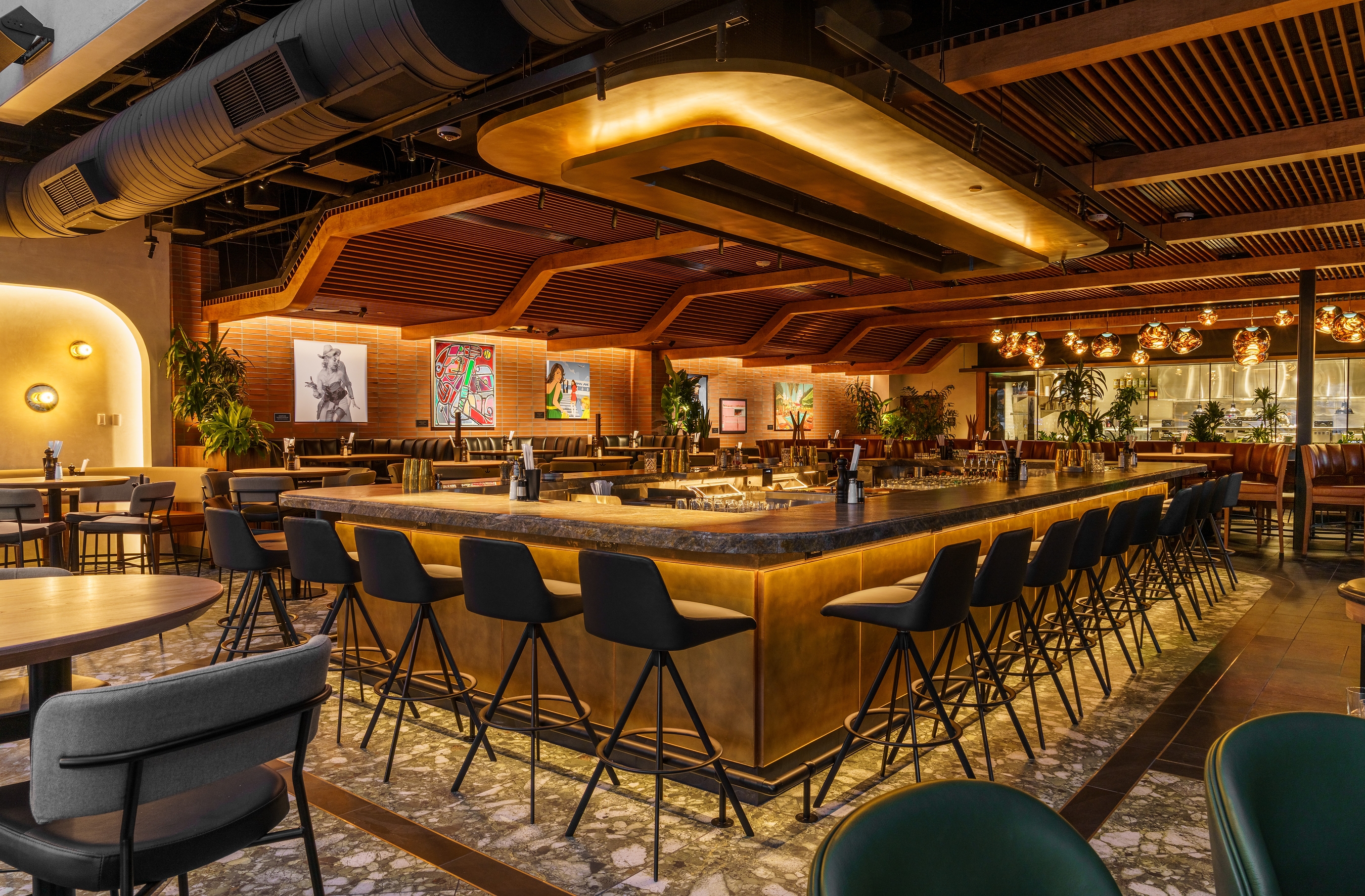
Wonder positions itself as a vertically integrated food-tech platform rather than a traditional multi-unit restaurant chain. Its model centers on delivery-optimized kitchen environments where multiple culinary brands — including partnerships with notable chefs — are prepared from a single facility using purpose-built cooking and automation systems. That architecture puts Wonder squarely in the conversation around ghost kitchen design, automated cooking cells, and high-throughput prep equipment — areas commercial kitchen equipment specifiers and cooking equipment dealers are watching closely as operators seek to compress labor costs without sacrificing menu complexity.
Robotics investment at this scale typically translates into procurement of specialized cooking automation — induction-based precision cooking platforms, automated plating and portioning systems, and sensor-driven ventilation controls tied to production schedules. Whether Wonder builds proprietary hardware or sources from established foodservice equipment manufacturers, the capital injection is large enough to move procurement volume in those categories.
Implications for the Equipment Trade
For equipment dealers and consultants specifying high-volume automated kitchens, Wonder's trajectory is worth tracking. The company's expansion roadmap — accelerated by fresh capital — will require scaling physical kitchen footprints, which means equipment specification cycles across cooking, refrigeration, ventilation, and prep-and-storage categories. Multi-concept kitchen facilities operating at Wonder's throughput targets demand heavy-duty combi ovens, blast chilling capacity, and ventilation systems engineered for continuous high-BTU loads across simultaneous cook cycles.
More broadly, Wonder's valuation milestone reflects a broader market conviction: that the intersection of AI-driven order management, robotics, and optimized kitchen hardware is not a niche experiment but an emerging standard for high-volume foodservice. As Food & Beverage Magazine has covered on the consumer side, demand for delivery-quality food at speed is reshaping how operators think about kitchen design from the ground up — and the equipment supply chain is adapting accordingly.
Written by Michael Politz, Author of Guide to Restaurant Success: The Proven Process for Starting Any Restaurant Business From Scratch to Success (ISBN: 978-1-119-66896-1), Founder of Food & Beverage Magazine, the leading online magazine and resource in the industry. Designer of the Bluetooth logo and recognized in Entrepreneur Magazine's "Top 40 Under 40" for founding American Wholesale Floral, Politz is also the Co-founder of the Proof Awards and the CPG Awards and a partner in numerous consumer brands across the food and beverage sector.