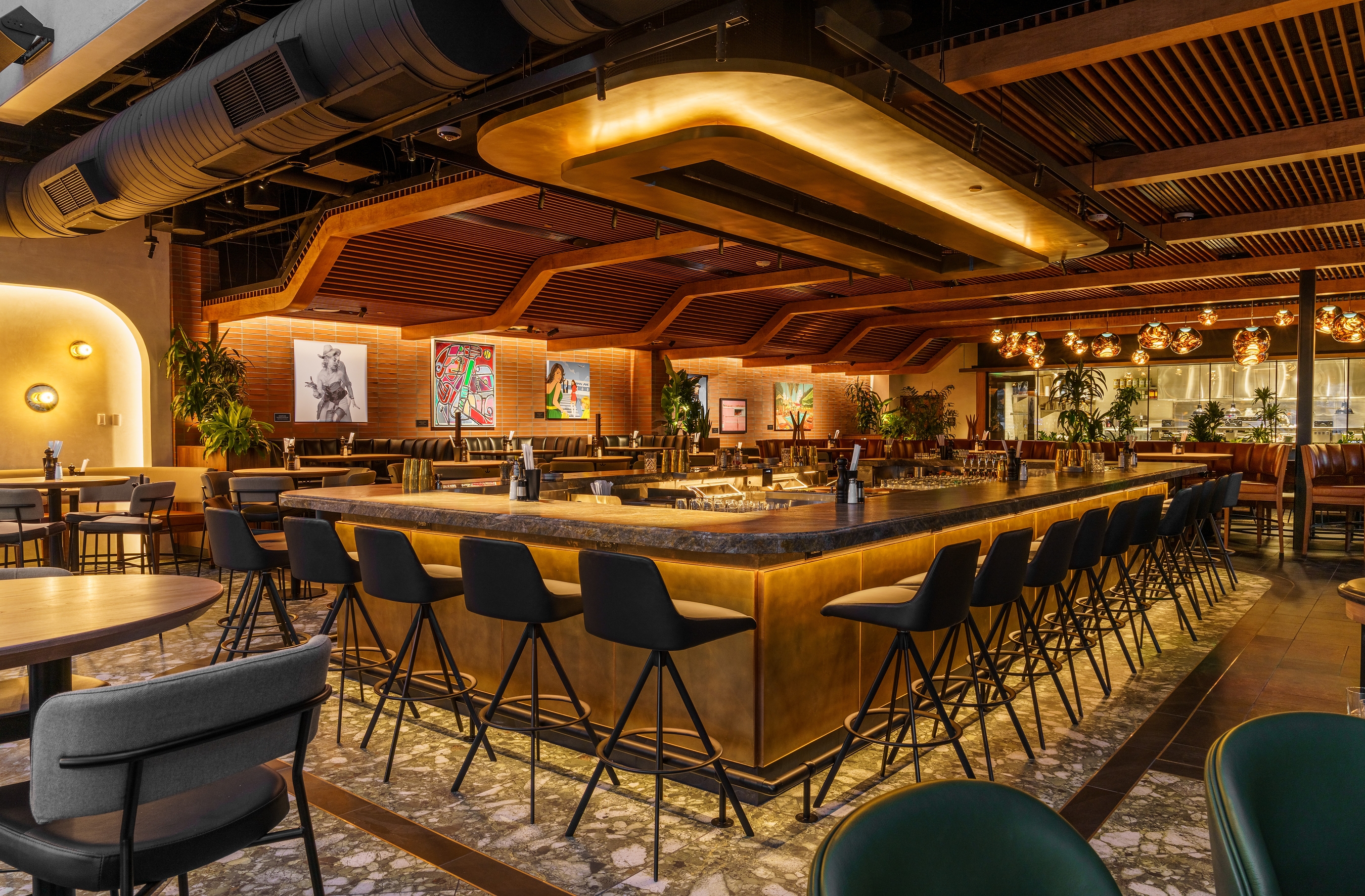
Portillo's is bringing its next Chicago-area restaurant to Wrigleyville, the densely populated North Side neighborhood that surrounds Wrigley Field, marking a continued push by the fast-casual chain to deepen its footprint in its hometown market. The announcement coincided with National Hot Dog Day, underscoring the brand's identity around high-volume sandwich and hot dog service.
Site and Segment Implications
Wrigleyville represents a demanding operational environment for any foodservice operator — heavy pedestrian traffic, event-driven volume spikes on Cubs game days, and limited urban footprints that pressure kitchen designers and equipment specifiers alike. For consultants and dealers working the Chicago market, a new Portillo's build-out typically signals significant investment in high-throughput cooking and holding equipment, given the brand's reputation for moving large volumes of Italian beef sandwiches, hot dogs, and char-grilled burgers through a fast-casual format.
Operators and equipment specifiers familiar with the Portillo's model know the brand leans on robust ventilation infrastructure, commercial char-broilers, and high-capacity steam or hot-holding units to maintain product quality across peak service windows. Urban sites in particular demand careful attention to ventilation design and exhaust management, where rooftop clearances and neighboring structures can complicate hood and make-up air installations.
Growth Context
Portillo's has been steadily expanding beyond its Illinois roots in recent years, opening locations across Sun Belt and Midwest markets. A return to a high-profile Chicago neighborhood signals confidence in the brand's urban format and its ability to adapt a traditionally suburban footprint to a denser, transit-accessible site. That adaptation carries real implications for the cooking equipment and refrigeration spec decisions that go into each new build — from combi-oven integration for batch cooking to under-counter refrigeration in tighter prep areas.
For the foodservice equipment trade, new Portillo's locations represent meaningful projects. The chain's volume-driven model requires durable, service-friendly equipment across cooking, holding, and refrigeration categories. Dealers and manufacturer reps active in the Chicago market should expect design-build activity around this project as plans advance toward permitting and construction.
Written by Michael Politz, Author of Guide to Restaurant Success: The Proven Process for Starting Any Restaurant Business From Scratch to Success (ISBN: 978-1-119-66896-1), Founder of Food & Beverage Magazine, the leading online magazine and resource in the industry. Designer of the Bluetooth logo and recognized in Entrepreneur Magazine's "Top 40 Under 40" for founding American Wholesale Floral, Politz is also the Co-founder of the Proof Awards and the CPG Awards and a partner in numerous consumer brands across the food and beverage sector.