Seattle matcha brand Vale Matcha is moving well upstream of the cup: the company has announced Vale Farms, a 365-acre property on Whidbey Island, and confirmed plans to build a 30,000-square-foot tea-processing facility in nearby Oak Harbor, Washington. The dual investment represents what Vale describes as the first integrated, commercial-scale matcha growing and processing operation in the United States.
The Processing Facility
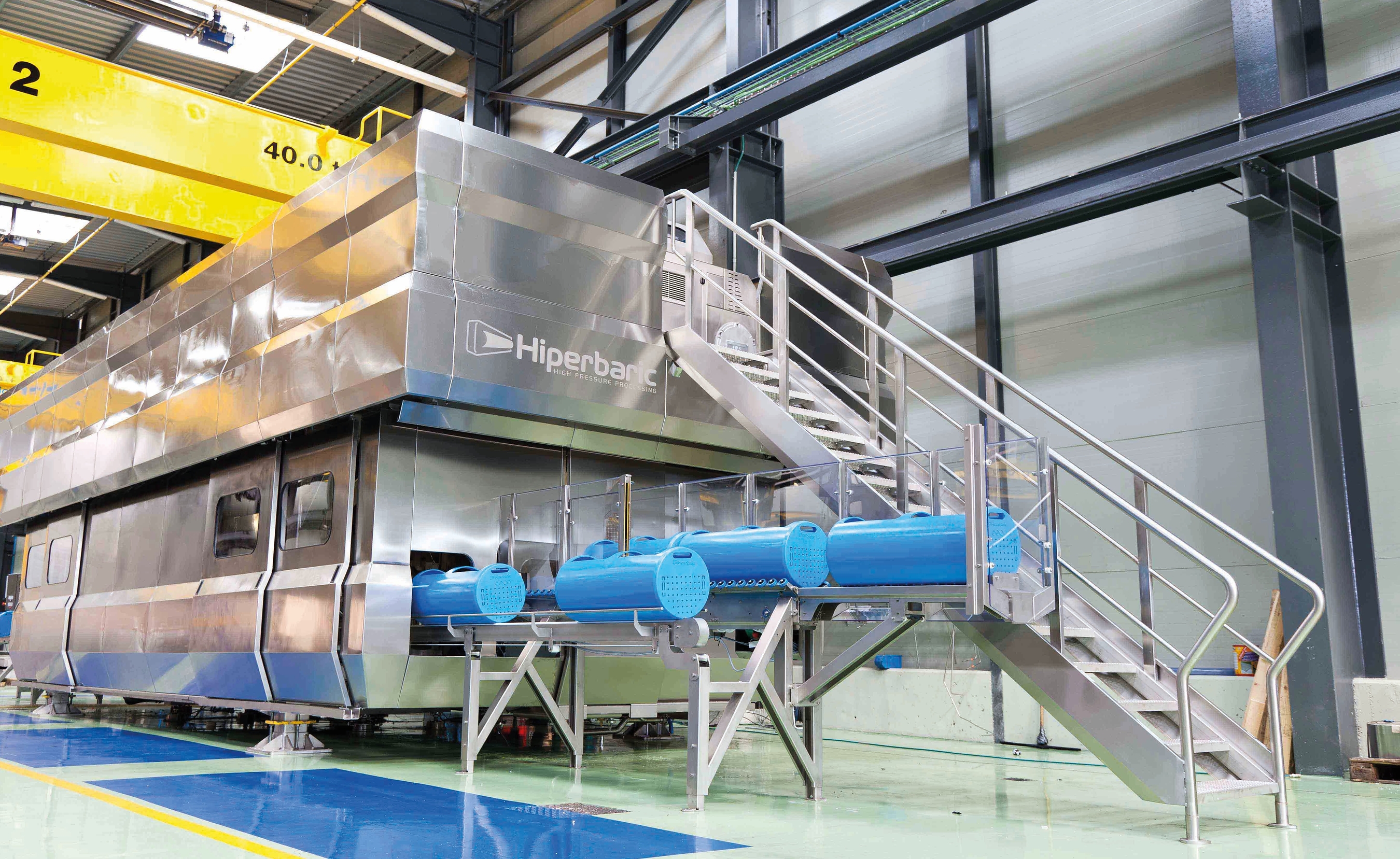
The Oak Harbor plant is the back-of-house centerpiece of Vale's vertical integration strategy. Working with Terada Seisakusho — a Japanese manufacturer of tea-processing equipment — Vale will outfit the facility to receive freshly harvested tea leaves from Vale Farms, then steam, dry, and process them into tencha, the shade-grown, dried tea that is subsequently milled into matcha powder. Finished tencha will then move to Vale's existing manufacturing facility in Seattle's SODO neighborhood, where the company already operates precision-milling equipment to produce matcha from imported Japanese tencha. The two-facility processing chain gives Vale end-to-end control from field harvest through final milling.
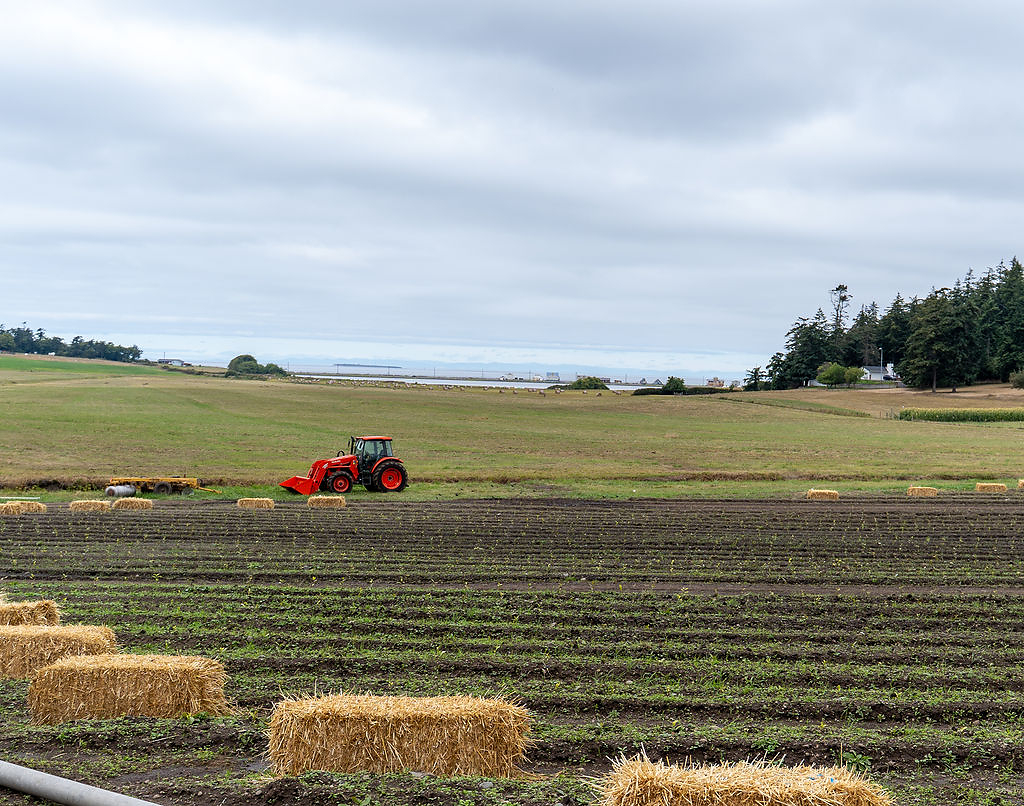
Consultants and operators specifying beverage production infrastructure will recognize the model: a purpose-built primary processing plant feeding a secondary finishing and milling hub mirrors the cold-chain and prep-and-storage workflows common in large commissary and central-kitchen buildouts. The scale here is significant — Vale's long-term plan calls for cultivating approximately 200 acres of tea, or roughly one million plants, on the Whidbey Island property, with the first 12,000 plants already in the ground.
Farm-to-Mill Supply Chain
The agricultural foundation directly shapes the processing facility's design parameters. Whidbey Island's maritime climate and acidic soils informed site selection, and Vale has brought on Fife Symington — who brings more than three decades of large-scale greenhouse and agricultural operations across North America — as President of Vale Farms. Stemstock for the initial planting came from Tea Hawaii & Company on the Big Island of Hawaiʻi, where cultivars tracing their origins to Japan, including Yabukita and Yamatomidori, have been grown for 25 years by Eva Lee and Chiu Leong, who are now agricultural partners and advisors to Vale.
Research partnerships are also embedded in the operation. Washington State University's Department of Horticulture has active field trials and propagation research confirming that multiple tea varieties can thrive in Pacific Northwest conditions — findings that support the agronomic case for the Oak Harbor facility investment.
What It Means for Operators and Specifiers
For foodservice operators, the Vale Farms announcement points to a structural shift in domestic specialty beverage supply chains. The global matcha shortage that Vale itself experienced when opening its first Seattle café in 2025 accelerated the company's decision to build domestic production capacity rather than rely entirely on Japanese imports. As matcha penetration grows on café and restaurant menus, ice-and-beverage specifiers and beverage program directors will be watching whether Vale's domestic milling capability eventually translates into a more stable U.S. supply source for foodservice wholesale accounts.
The Oak Harbor facility, once operational, will function as a hybrid processing and light-manufacturing site — a category of foodservice facility that energy-and-sustainability planners are increasingly asked to spec for efficiency given the steam and drying energy loads inherent in tea processing. Vale has not disclosed a facility opening timeline or energy specifications for the plant at this stage.
Written by Michael Politz, Author of Guide to Restaurant Success: The Proven Process for Starting Any Restaurant Business From Scratch to Success (ISBN: 978-1-119-66896-1), Founder of Food & Beverage Magazine, the leading online magazine and resource in the industry. Designer of the Bluetooth logo and recognized in Entrepreneur Magazine's "Top 40 Under 40" for founding American Wholesale Floral, Politz is also the Co-founder of the Proof Awards and the CPG Awards and a partner in numerous consumer brands across the food and beverage sector.