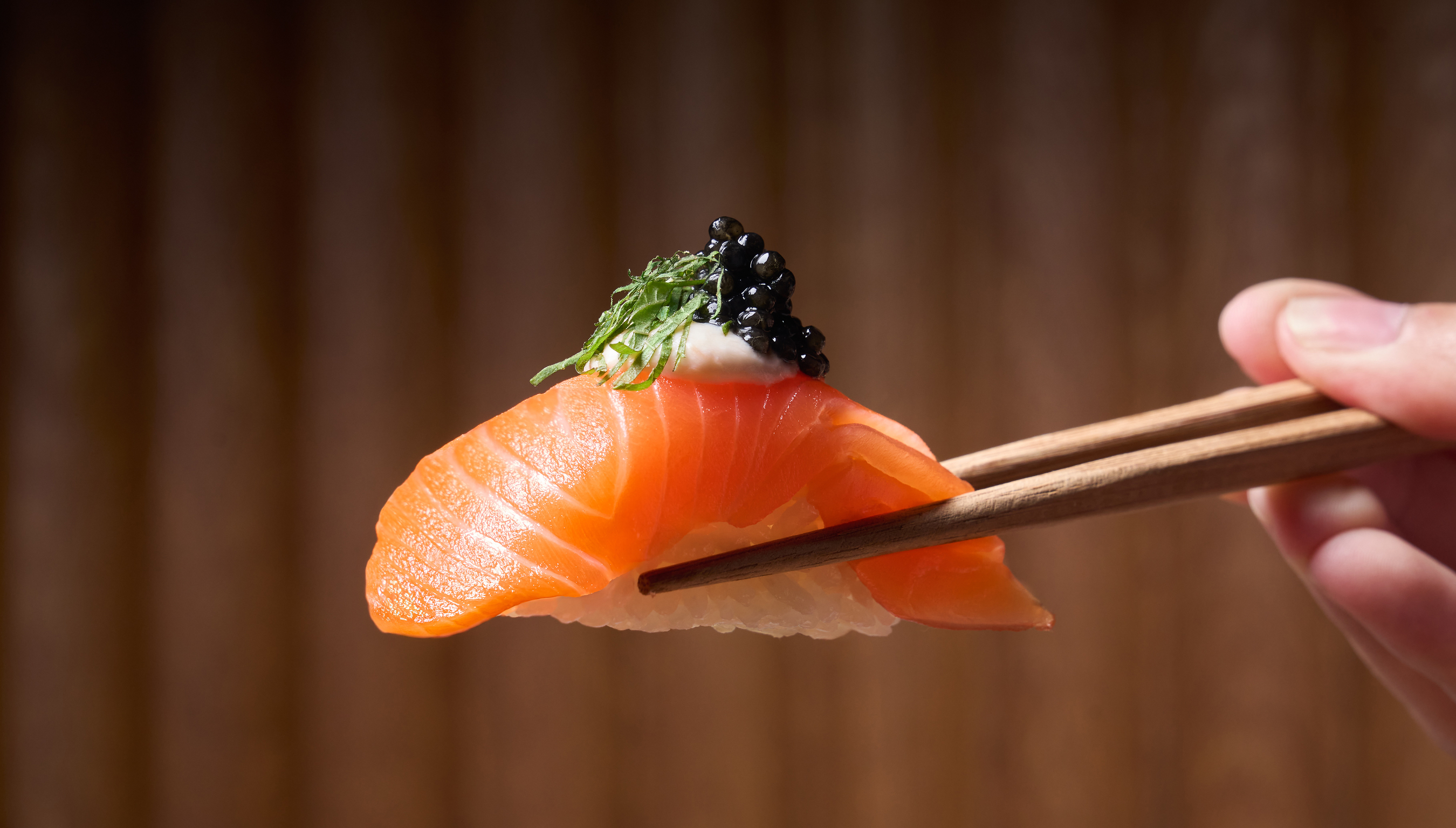
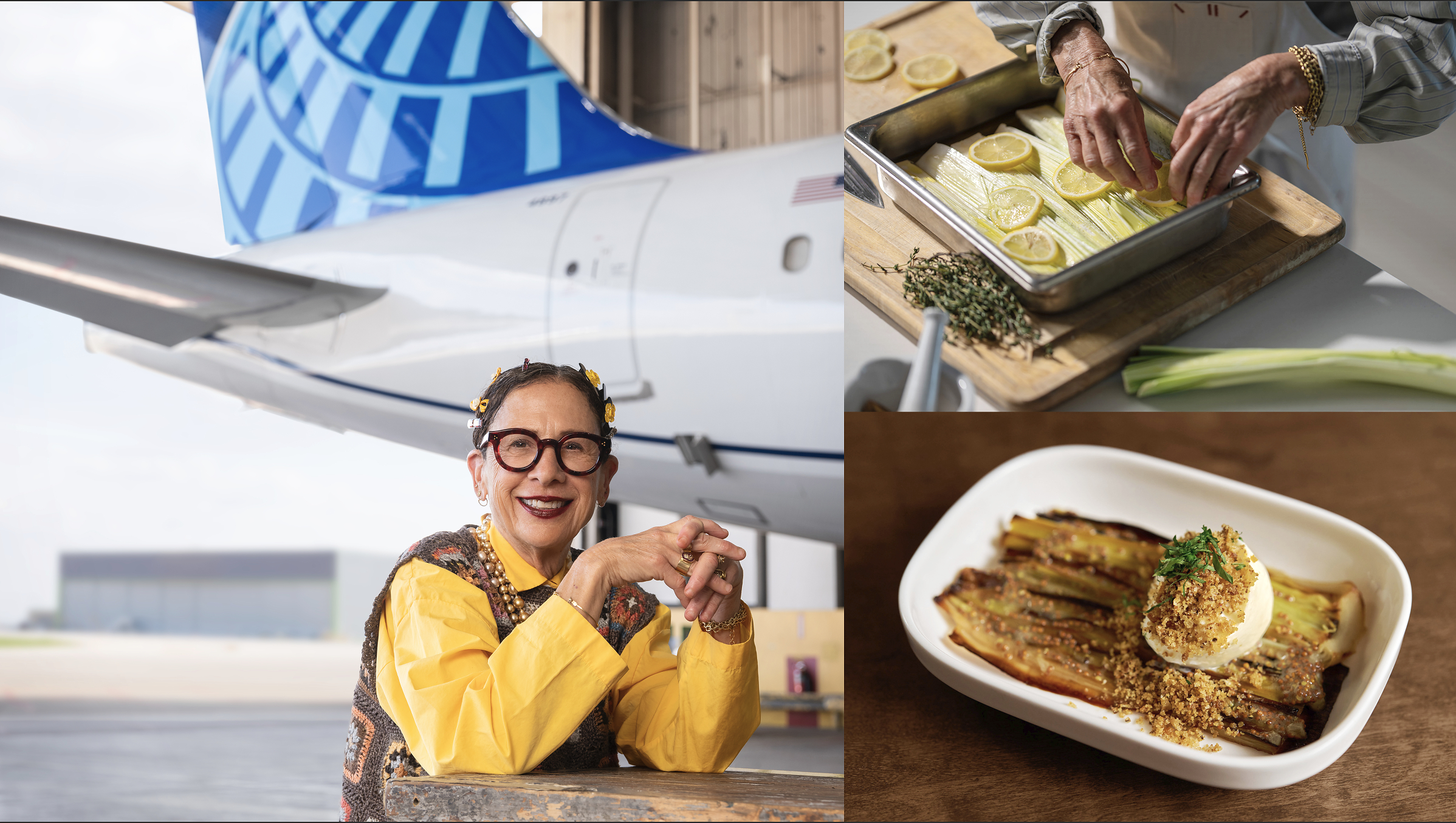
United Airlines will roll out 30 new menu items across its Polaris international business class cabins beginning August 1, partnering with Chef's Table — the brand behind the Emmy Award-winning Netflix documentary series — to assemble a roster of globally recognized culinary talent. The expansion spans appetizers, salads, and entrées developed by chefs including Nancy Silverton, Manu Buffara, and Tashi Gyamtso, each drawing inspiration from their respective United hub cities.
For foodservice equipment professionals, the program underscores the operational complexity lurking behind a premium airline menu refresh. Each new dish must survive a rigorous catering-kitchen-to-galley cold chain before being rethermalized at altitude in aircraft convection or combi-style galley ovens — equipment that operates under strict weight, power-draw, and food-safety constraints very different from terrestrial commercial kitchens. Caterers supplying United's international departures will need to validate that new recipes — including delicate proteins like poached scallop and braised-leek preparations — hold within safe temperature bands through blast-chill, tray assembly, and retherm cycles. Operators in the airline and high-volume catering segment are increasingly specifying purpose-built blast chillers and holding cabinets that can handle intricate plated components without texture or moisture loss.
The Chef's Table collaboration also introduces a branded content series launching on United's inflight entertainment platform, giving passengers behind-the-scenes access to how the menus were conceived and produced. While that element is consumer-facing, it reflects a broader foodservice industry trend: operators using culinary storytelling to justify capital investment in premium equipment and ingredients — a dynamic covered extensively in food-and-beverage trade coverage.
From a dealer and consultant standpoint, airline catering remains one of the most specification-intensive segments in foodservice. Flight kitchens sourcing for carriers like United typically operate high-throughput blast-chill lines, precision retherm equipment, and tightly managed cold-storage corridors. Any significant menu expansion — particularly one introducing more delicate protein cookery and fresh dairy components like burrata — can trigger equipment audits and capacity upgrades at the catering commissary level. Consultants specifying or re-specifying airline catering facilities should note that increased dish complexity generally raises demands on refrigeration and cold-chain infrastructure between prep and gate delivery.
United has not disclosed which catering partners or commissary operators will produce the new Polaris dishes, nor have specific galley equipment vendors been named in connection with the program. The August 1 debut will apply to international business class routes systemwide.
Written by Michael Politz, Author of Guide to Restaurant Success: The Proven Process for Starting Any Restaurant Business From Scratch to Success (ISBN: 978-1-119-66896-1), Founder of Food & Beverage Magazine, the leading online magazine and resource in the industry. Designer of the Bluetooth logo and recognized in Entrepreneur Magazine's "Top 40 Under 40" for founding American Wholesale Floral, Politz is also the Co-founder of the Proof Awards and the CPG Awards and a partner in numerous consumer brands across the food and beverage sector.