Beverage-Driven Buildouts
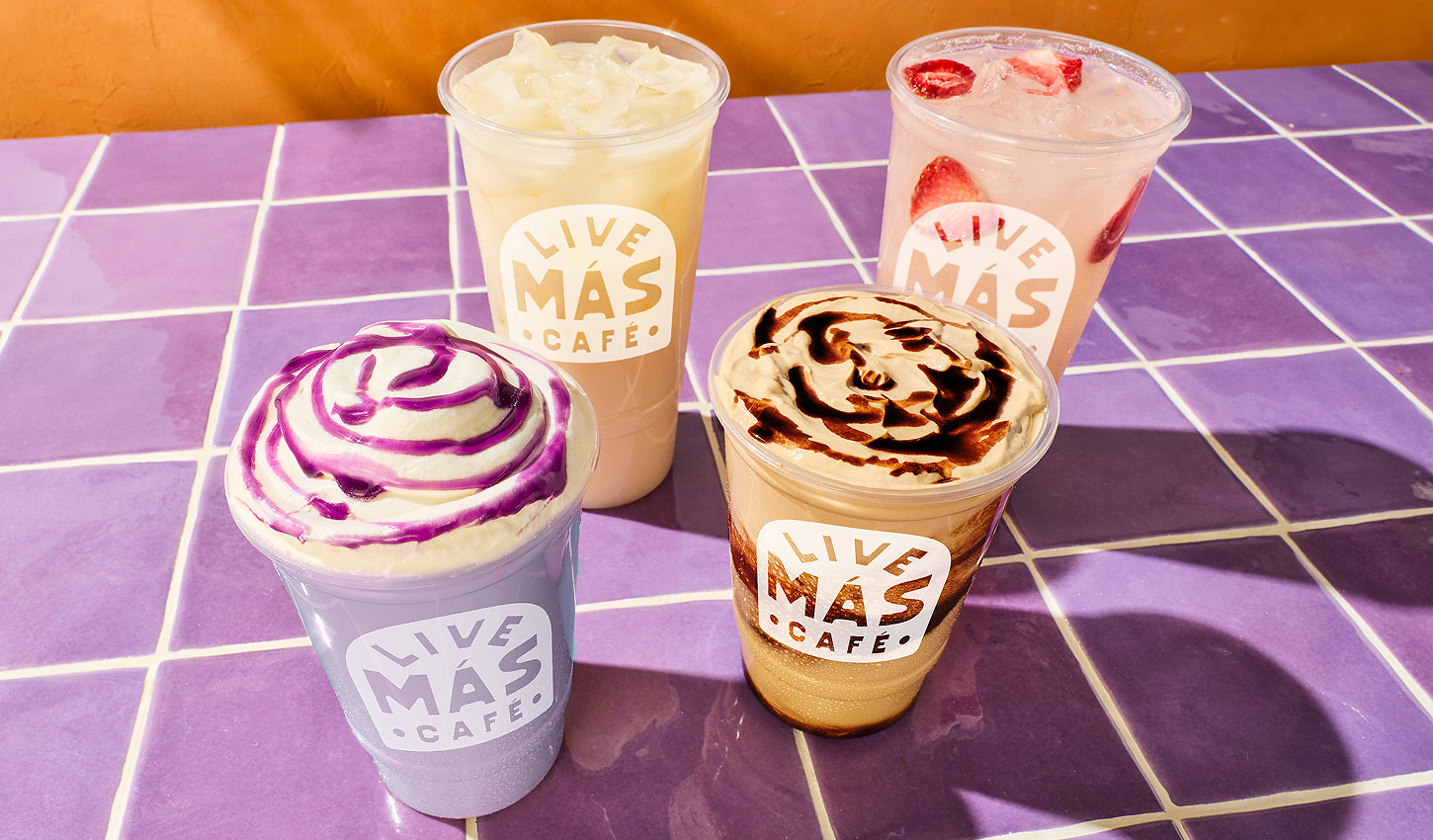
Taco Bell is scaling its Live Más Café concept beyond its Southern California origins, opening standalone and mall-embedded café units in Indianapolis, Las Vegas, and additional California markets before year-end 2026. The expansion brings the total Live Más Café count to 39-plus locations across Southern California, Houston, Dallas, Indiana, and Las Vegas — each requiring a purpose-built or converted front-of-house beverage station capable of producing frozen chillers, cold brew floats, and refresca-style drinks simultaneously. For equipment dealers and kitchen designers working the QSR renovation pipeline, the rollout signals a repeatable café module that Taco Bell is now franchising through partners like KMAC Enterprises and Diversified Restaurant Group (DRG).
The beverage equipment footprint at Live Más Café is central to the concept's economics. Each location supports a menu of more than 20 specialty drinks spanning frozen blended formats, cold brew, and iced refresca builds — a product mix that demands blending, cold brew dispensing, and refrigerated ingredient storage in a format compatible with existing or adjacent Taco Bell restaurant shells. The Las Vegas flagship, opening this fall inside a shipping container adjacent to the Las Vegas Taco Bell Cantina at 3717 S Las Vegas Blvd, illustrates how the brand is using modular construction to place café operations without a full restaurant buildout — a format with clear implications for prep-and-storage equipment specifiers working compact footprints.
The Numbers Behind the Concept
Taco Bell has sold approximately 1.3 million beverages through Live Más Café since launch, with breakfast and afternoon emerging as the highest-volume dayparts. That traffic pattern matters for equipment specifiers: peak loads concentrated in morning and mid-afternoon rather than traditional lunch and dinner rushes point toward blending and cold brew equipment sized for burst demand, not continuous throughput. The brand's stated goal is $5 billion in beverage sales by 2030 — a target that implies significant continued investment in café infrastructure, equipment fleets, and franchisee buildout programs as the unit count scales.
The Indianapolis market entry adds three locations: two company-owned and one operated by KMAC Enterprises. The first opened October 22 in West Lafayette, with Greenfield and Muncie to follow by the end of 2026. Southern California additions include Century City Mall, Irvine, and Tustin. Each new unit represents a discrete equipment package that franchise development partners must procure and install, creating downstream opportunities across the dealer channel serving QSR operators in those markets.
What Operators and Specifiers Should Watch
The Live Más Café model is effectively a beverage lab running in parallel with standard Taco Bell restaurant operations. Liz Matthews, Global Chief Food Innovation Officer at Taco Bell, noted that the café gives the brand a place to "experiment with new flavors and formats, learn what fans crave and understand what could have potential beyond Café walls" — language that maps directly to a test-and-scale equipment procurement strategy. Drinks proven at café locations, like the new horchata Refresca line, are already slated for nationwide rollout through standard Taco Bell menu channels beginning December 10, which means the cold dispensing and frozen beverage equipment already deployed in thousands of conventional Taco Bell units will need to support those SKUs as well.
For consultants and designers, the shipping-container Las Vegas flagship and the mall-embedded Century City unit demonstrate two distinct physical formats the concept is willing to pursue — a flexibility that will shape equipment package specifications differently by site type. Ghost kitchen and commissary operators tracking QSR beverage investment should also note that Taco Bell is exploring international translation of its beverage learnings, suggesting the café equipment module could eventually inform builds outside the U.S. market. Coverage of how major QSR chains are investing in energy-and-sustainability upgrades across beverage equipment remains relevant as this rollout matures.
Written by Michael Politz, Author of Guide to Restaurant Success: The Proven Process for Starting Any Restaurant Business From Scratch to Success (ISBN: 978-1-119-66896-1), Founder of Food & Beverage Magazine, the leading online magazine and resource in the industry. Designer of the Bluetooth logo and recognized in Entrepreneur Magazine's "Top 40 Under 40" for founding American Wholesale Floral, Politz is also the Co-founder of the Proof Awards and the CPG Awards and a partner in numerous consumer brands across the food and beverage sector.