China-based Shinelong is formalizing a standardized project management system designed to bring consistency to complex, cross-border commercial kitchen builds — while leaving room for the regional compliance and engineering adaptations that large-scale international projects demand. The Guangzhou manufacturer, founded in 2008, reports completing more than 8,000 projects across 150-plus countries and regions, spanning hotel, healthcare, institutional, and restaurant segments.
The Delivery Framework
Shinelong's system structures the full project lifecycle into distinct phases: preliminary consultation and scheme design, spatial layout optimization using CAD, 3D modeling, and AR visualization, equipment selection and quality control, international logistics, on-site installation and commissioning, personnel training, and after-sales support. For equipment specifiers and consultants, the practical implication is that a single procurement relationship can cover design-through-handover coordination rather than managing separate vendors for equipment, MEP adaptation, and logistics.
The company is positioning this not as a one-size-fits-all model but as a unified management logic that bends to local conditions. Regional compliance checks are embedded early in the process — before manufacturing begins — so that certification gaps don't stall delivery on arrival. European projects may require CE marking, RoHS environmental directives, and HACCP food safety system compliance; North American projects can trigger NSF/ANSI, UL/ETL, and FDA food regulation requirements; projects in Africa or the Caribbean often involve infrastructure variability and the need for high-capacity equipment suited to limited local service infrastructure.
Projects Across Segments
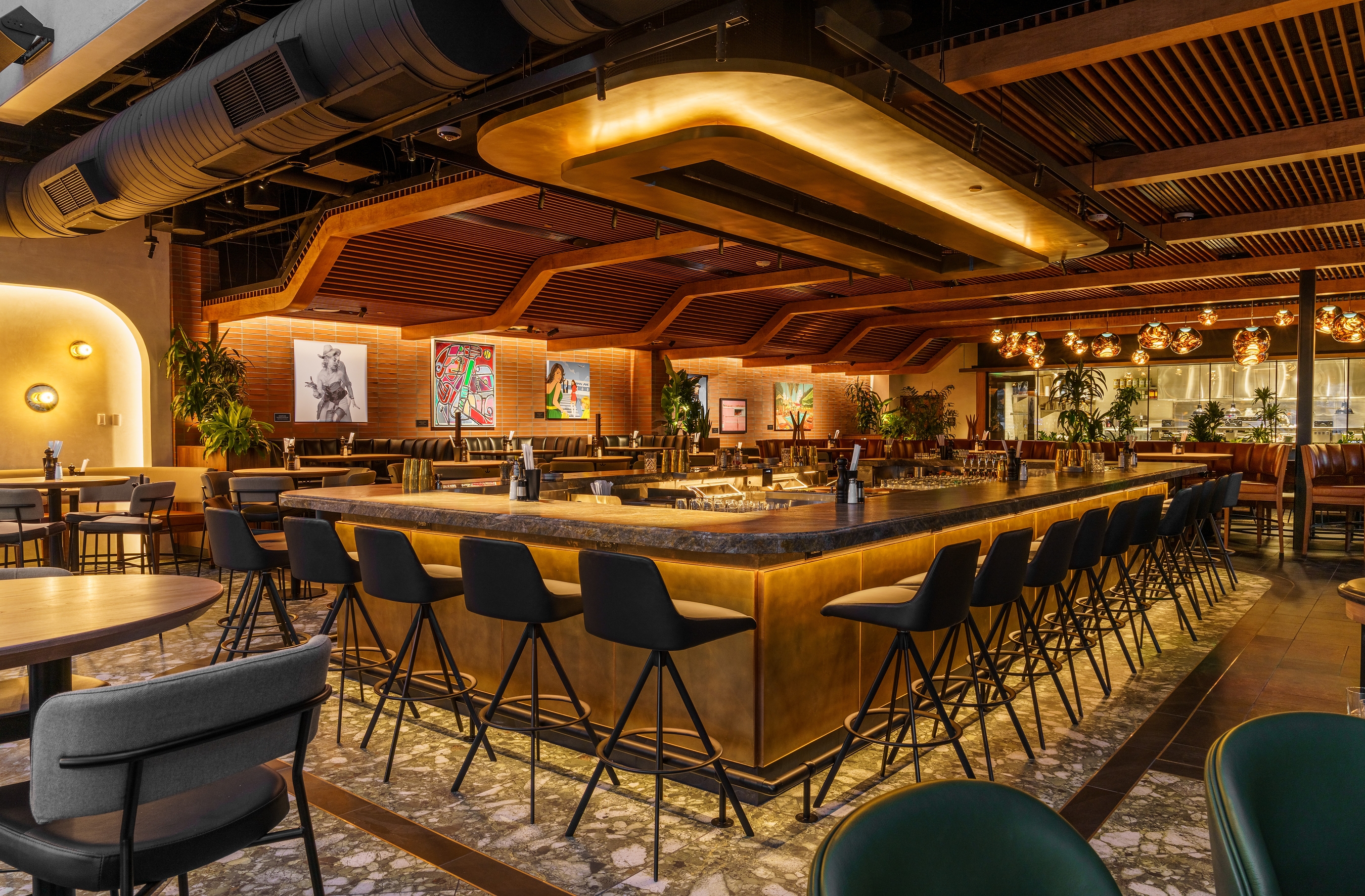
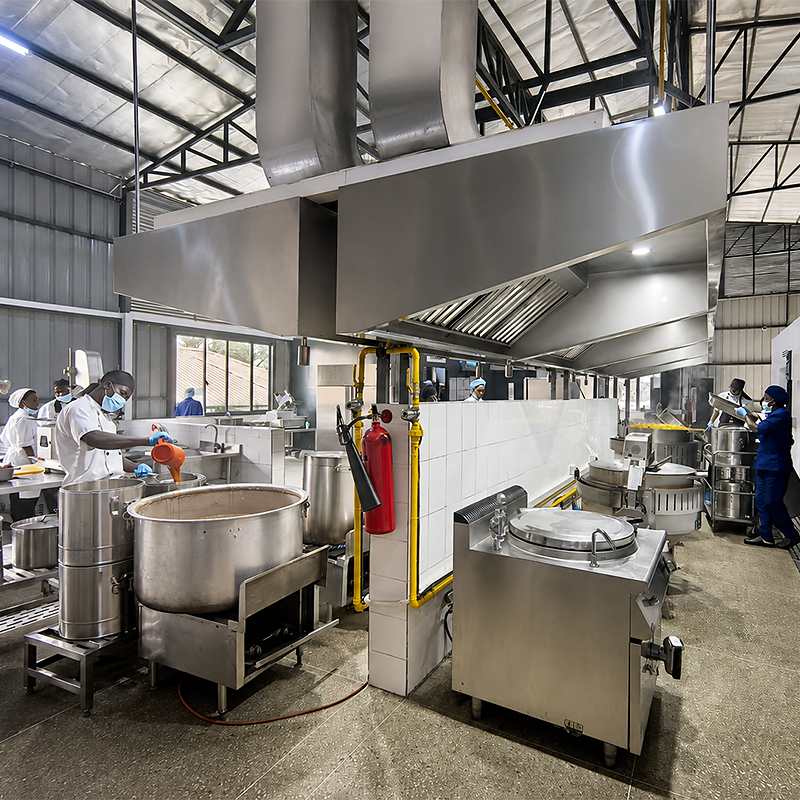
Three recent installations illustrate how the framework adapts. At the Radisson Resort & Suites Phuket in Thailand, space constraints and Thai health-and-safety codes required a custom 304 stainless steel structure, MEP ventilation integration, and German-sourced core components — a combination the company describes as a benchmark for its Southeast Asian hotel work. At the University of Kigali Teaching Hospital (CHUK) in Rwanda, functional zoning was matched to large-volume centralized meal preparation, aligning with the throughput and food-safety demands typical of healthcare foodservice environments. A third project, an Iraqi restaurant in Guangzhou, used an island kitchen layout configured around the cooking processes and workflow of Iraqi cuisine — demonstrating the equipment customization side of the offering rather than just the compliance side.
For dealers and operators evaluating international turnkey partners, the compliance-first intake process is increasingly relevant. Regulatory environments for commercial kitchen equipment continue to diverge globally, and energy and sustainability standards — including evolving electrical safety codes in emerging markets — are adding complexity to cross-border kitchen buildouts. Shinelong's approach of front-loading certification assessment before equipment manufacturing is a model that larger foodservice design-build firms have adopted domestically; applying it at international scale is a differentiating factor for a manufacturer headquartered outside the markets it serves.
"Global project delivery requires both consistency and adaptability," said Jean Yang, founder of Shinelong. "In the future, we hope to continue transforming our accumulated project experience into more mature processes, while maintaining our adaptation ability for different markets and customer needs."
With international foodservice construction activity accelerating across the Middle East, Southeast Asia, and Sub-Saharan Africa, manufacturers that can pair equipment supply with credentialed project delivery — handling logistics, local installation coordination, and compliance documentation — are positioned to capture a different tier of customer than those selling equipment alone.
Written by Michael Politz, Author of Guide to Restaurant Success: The Proven Process for Starting Any Restaurant Business From Scratch to Success (ISBN: 978-1-119-66896-1), Founder of Food & Beverage Magazine, the leading online magazine and resource in the industry. Designer of the Bluetooth logo and recognized in Entrepreneur Magazine's "Top 40 Under 40" for founding American Wholesale Floral, Politz is also the Co-founder of the Proof Awards and the CPG Awards and a partner in numerous consumer brands across the food and beverage sector.