Post Holdings (NYSE: POST) reported third-quarter fiscal 2026 net sales of $1.95 billion and flagged $80–$90 million in ongoing foodservice facility capital expenditures as part of a broader $370–$390 million full-year capex budget — a figure that underscores the scale of industrial kitchen and food production infrastructure investment feeding the commercial foodservice supply chain.
Foodservice Facility Spending
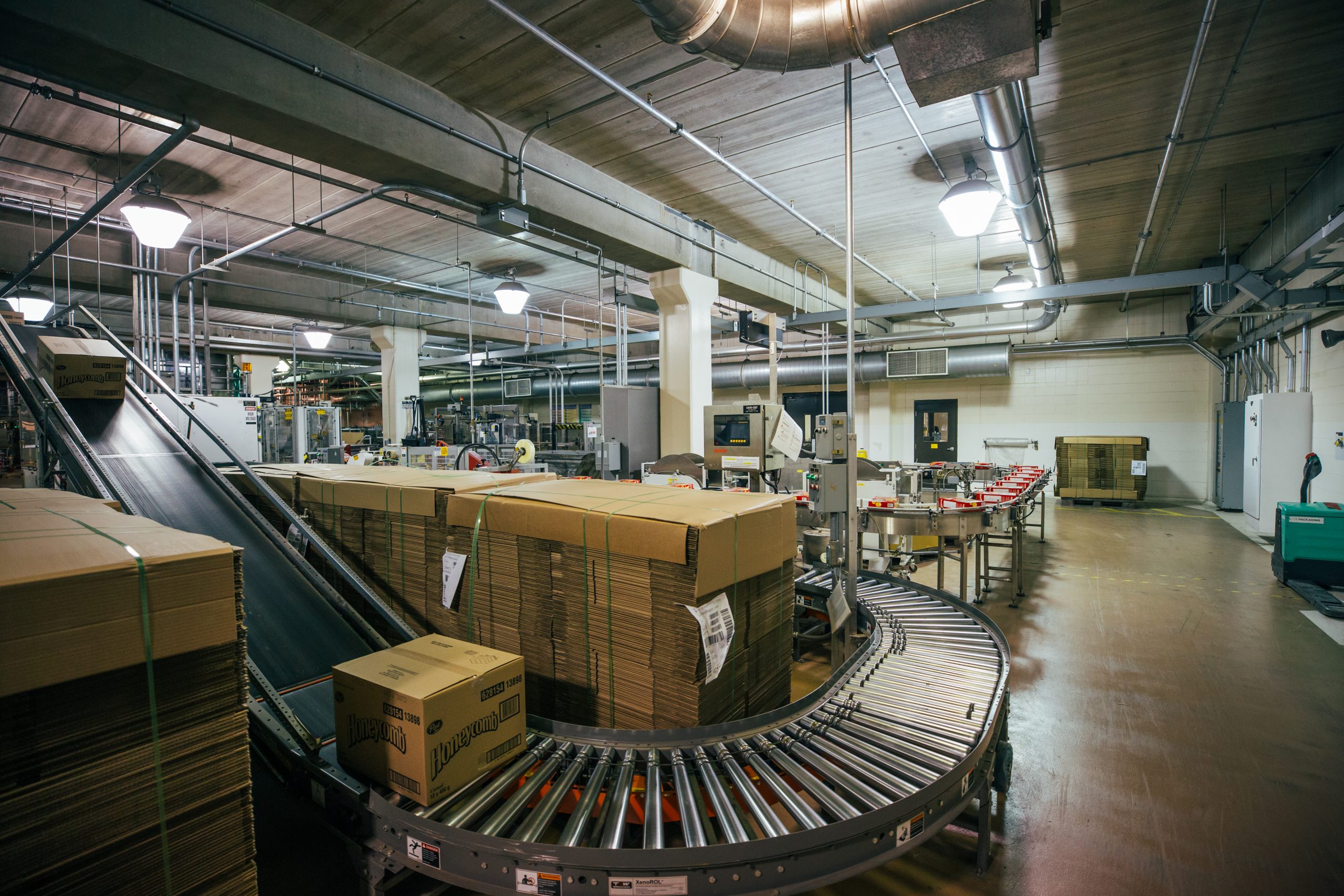
The most operationally significant detail for foodservice equipment and facility specifiers is the company's continued buildout of egg processing infrastructure. Post Holdings confirmed that fiscal 2026 capital spending includes the ongoing expansion of cage-free egg production facilities and the completion of its Norwalk, Iowa precooked egg facility — a project directly tied to back-of-house demand from operators and institutional foodservice accounts. The Norwalk plant, once fully operational, will expand the company's capacity to supply ready-to-use precooked egg products that reduce prep-equipment load and labor requirements in commercial kitchens. Operators relying on cold chain and prep-and-storage infrastructure can expect continued availability of value-added egg formats as these expansions come online.
The foodservice segment itself posted Q3 net sales of $652.9 million, down 6.5% year-over-year, though the decline was attributed entirely to the prior year's elevated avian influenza-driven pricing rather than volume softness — volumes actually rose 4.3%, driven by improved customer service levels and expanded production of protein-based shakes. Nine-month foodservice Adjusted EBITDA reached $435.2 million, up 17.1% versus the prior year, confirming the segment's structural strength as a supplier to commercial kitchens.
FY2026 Outlook and FY2027 Signal
Management narrowed its full-year fiscal 2026 Adjusted EBITDA guidance to $1,560–$1,570 million, tightening from a prior range of $1,550–$1,580 million. However, the more telling figure for operators and supply chain observers is the preliminary fiscal 2027 commentary: after stripping out roughly $60 million in above-normalized Foodservice earnings and approximately $20 million from divested businesses, management sees a comparable run-rate of approximately $1.48 billion in Adjusted EBITDA entering next year. The company projects this level will hold roughly flat in FY2027 as pricing actions and productivity initiatives offset inflation and soft volumes in select categories.
On the portfolio restructuring front, Post completed the sale of substantially all assets of Crystal Farms Dairy Company in May 2026, exiting a refrigerated dairy business that had been reported within the Refrigerated Retail segment. The company also divested its pasta operations in December 2025. These moves sharpen Post's focus on egg, refrigerated side dish, and cereal categories that feed directly into foodservice procurement pipelines. Equipment dealers and dealer-channel distributors tracking protein-category volume trends should note that Post's normalized Foodservice segment Adjusted EBITDA run rate is pegged at $500 million annually, with growth above that floor expected to resume in FY2027.
Written by Michael Politz, Author of Guide to Restaurant Success: The Proven Process for Starting Any Restaurant Business From Scratch to Success (ISBN: 978-1-119-66896-1), Founder of Food & Beverage Magazine, the leading online magazine and resource in the industry. Designer of the Bluetooth logo and recognized in Entrepreneur Magazine's "Top 40 Under 40" for founding American Wholesale Floral, Politz is also the Co-founder of the Proof Awards and the CPG Awards and a partner in numerous consumer brands across the food and beverage sector.