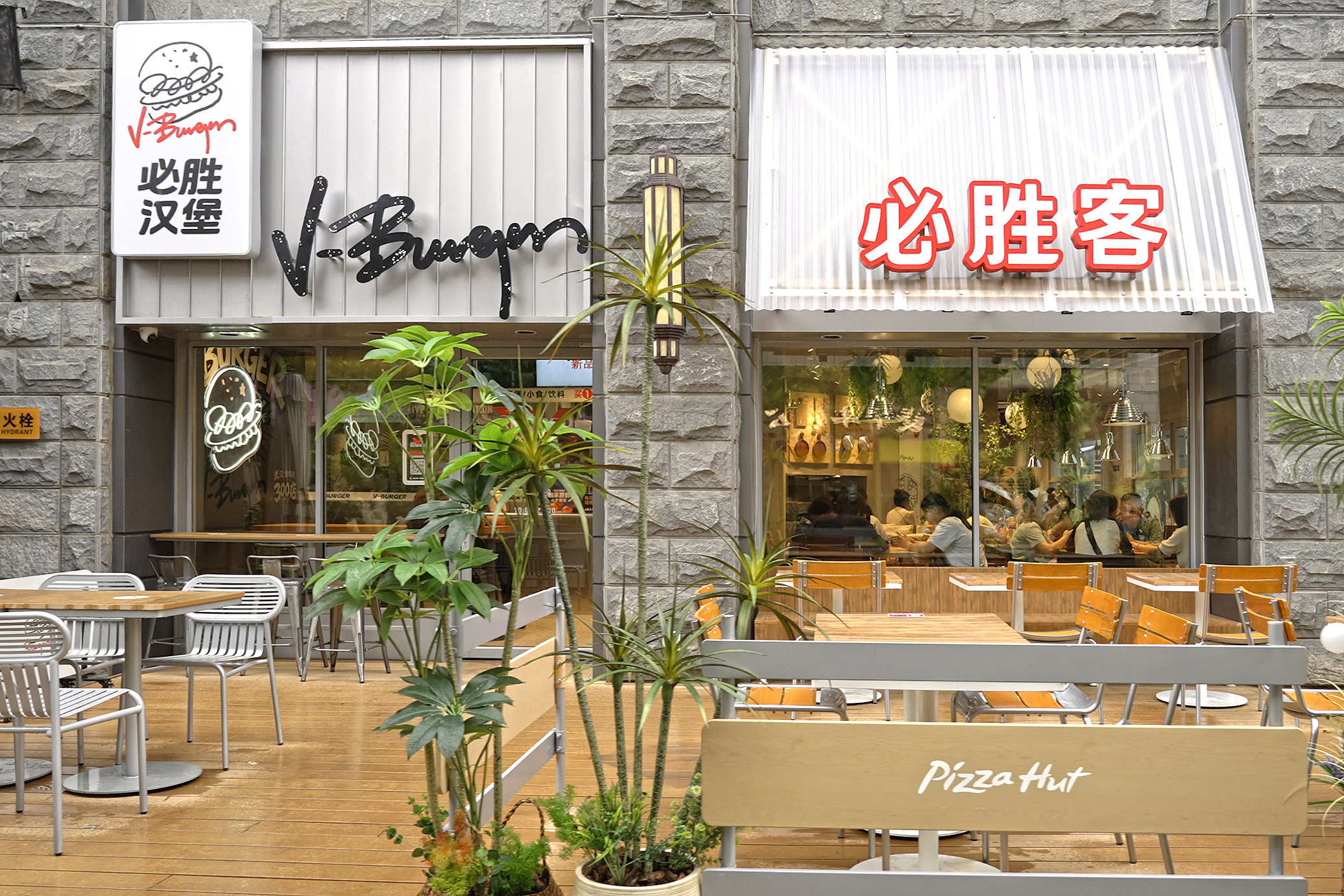
Pizza Hut China's quick-service burger module has crossed 300 locations less than a year after its late-2025 launch, averaging more than one new opening per day and putting a spotlight on the back-of-house configuration enabling that pace. The Pizza Hut Burger Bar format operates side-by-side with existing Pizza Hut stores, sharing kitchen resources and infrastructure with the parent unit — a lean build-out model that keeps investment light and accelerates rollout without requiring a standalone commissary or full duplicate kitchen.
The Kitchen Format
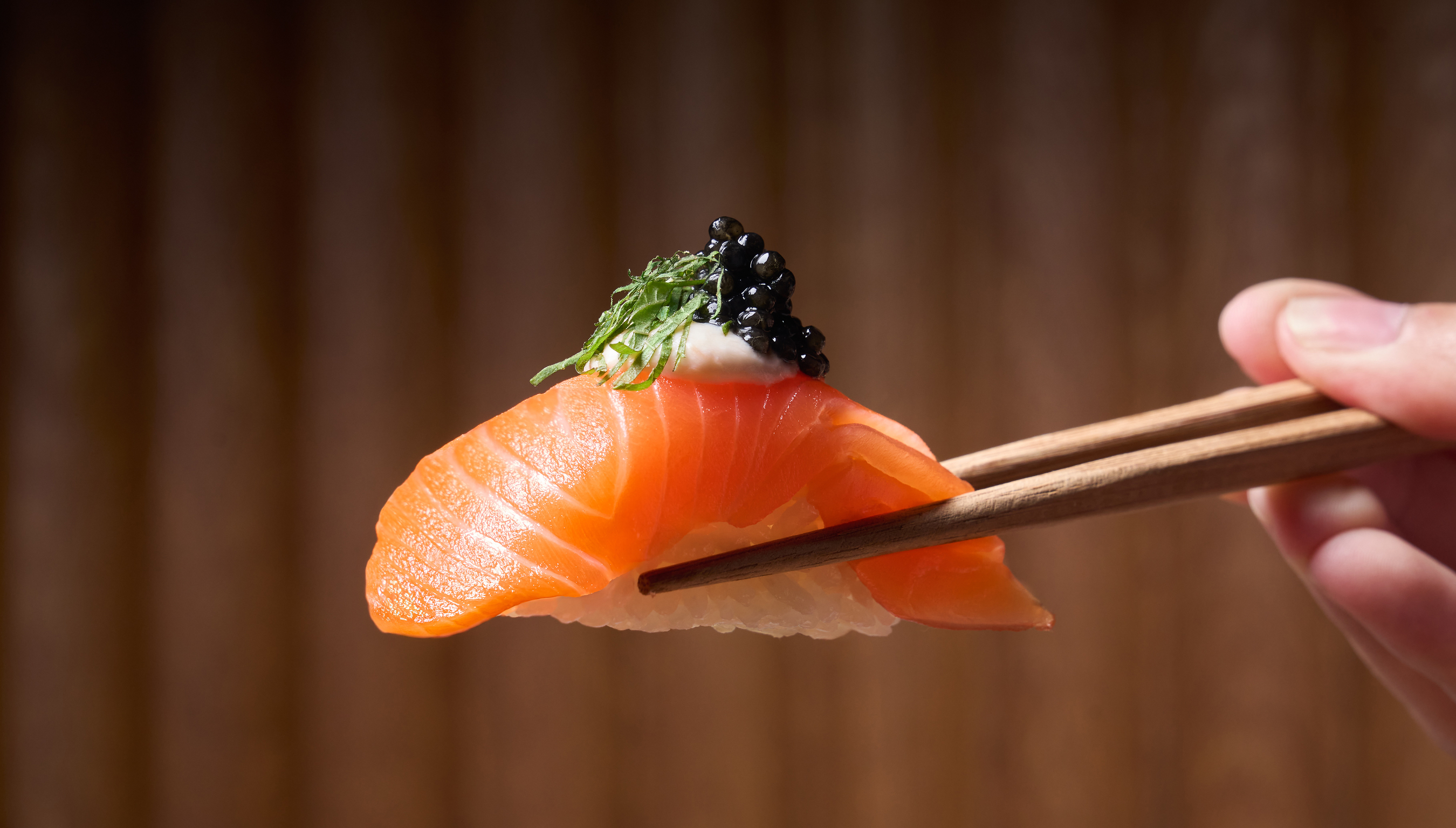
The operation centers on an open-kitchen layout where beef patties are seared on a hot griddle, giving the concept a teppan-style cooking identity that differentiates it from conventional QSR burger lines. A dedicated in-store bakery function produces Parmesan-and-parsley buns daily using pizza dough, integrating a proofing and baking step directly into the Burger Bar module. The focused menu — anchored by beef burgers with protein extensions including black pork and grilled chicken — is purpose-built for a compact line, a configuration relevant to cooking equipment specifiers evaluating griddle-forward QSR kitchens in high-density urban markets.
Shared-Resource Build-Out
The side-by-side model is the commercial story for equipment dealers and consultants. Rather than constructing a fully independent kitchen, each Burger Bar taps the parent Pizza Hut store's existing ventilation, utility infrastructure, and storage, significantly compressing the capital required per unit. That shared-resource approach mirrors the ghost kitchen and commissary logic gaining traction globally, where operators layer additional revenue-generating concepts onto existing licensed kitchen capacity without duplicating the full prep-and-storage footprint. In Q2 2026, Pizza Hut Burger Bar locations contributed double-digit incremental sales and meaningful profit to their parent stores — a return profile that justifies continued aggressive scaling.
Scale and Pipeline
Yum China is targeting 500 to 600 Burger Bar locations by the end of 2026, representing approximately 10% of Pizza Hut's roughly 5,000-store China portfolio. The company projects Pizza Hut's total burger category sales — spanning both standalone Pizza Hut stores and Burger Bar units — will exceed RMB 1 billion in 2026, equal to roughly 5–6% of Pizza Hut China's overall revenue. Separately, following Yum China's acquisition of the Pizza Hut brand in Mainland China, the company has raised its net new store target to more than 800 openings annually in both 2027 and 2028, up from a prior target of over 600. That pipeline implies a sustained demand for kitchen buildout, equipment procurement, and supply chain coordination at significant scale across China's commercial foodservice sector.
For equipment specifiers and dealers active in Asia-Pacific markets, the Burger Bar template illustrates how large QSR operators are using modular, griddle-centered open kitchens to add revenue layers to existing locations — a design strategy with direct implications for compact ventilation hoods, countertop griddle selection, and in-store baking equipment in retrofit scenarios.
Written by Michael Politz, Author of Guide to Restaurant Success: The Proven Process for Starting Any Restaurant Business From Scratch to Success (ISBN: 978-1-119-66896-1), Founder of Food & Beverage Magazine, the leading online magazine and resource in the industry. Designer of the Bluetooth logo and recognized in Entrepreneur Magazine's "Top 40 Under 40" for founding American Wholesale Floral, Politz is also the Co-founder of the Proof Awards and the CPG Awards and a partner in numerous consumer brands across the food and beverage sector.