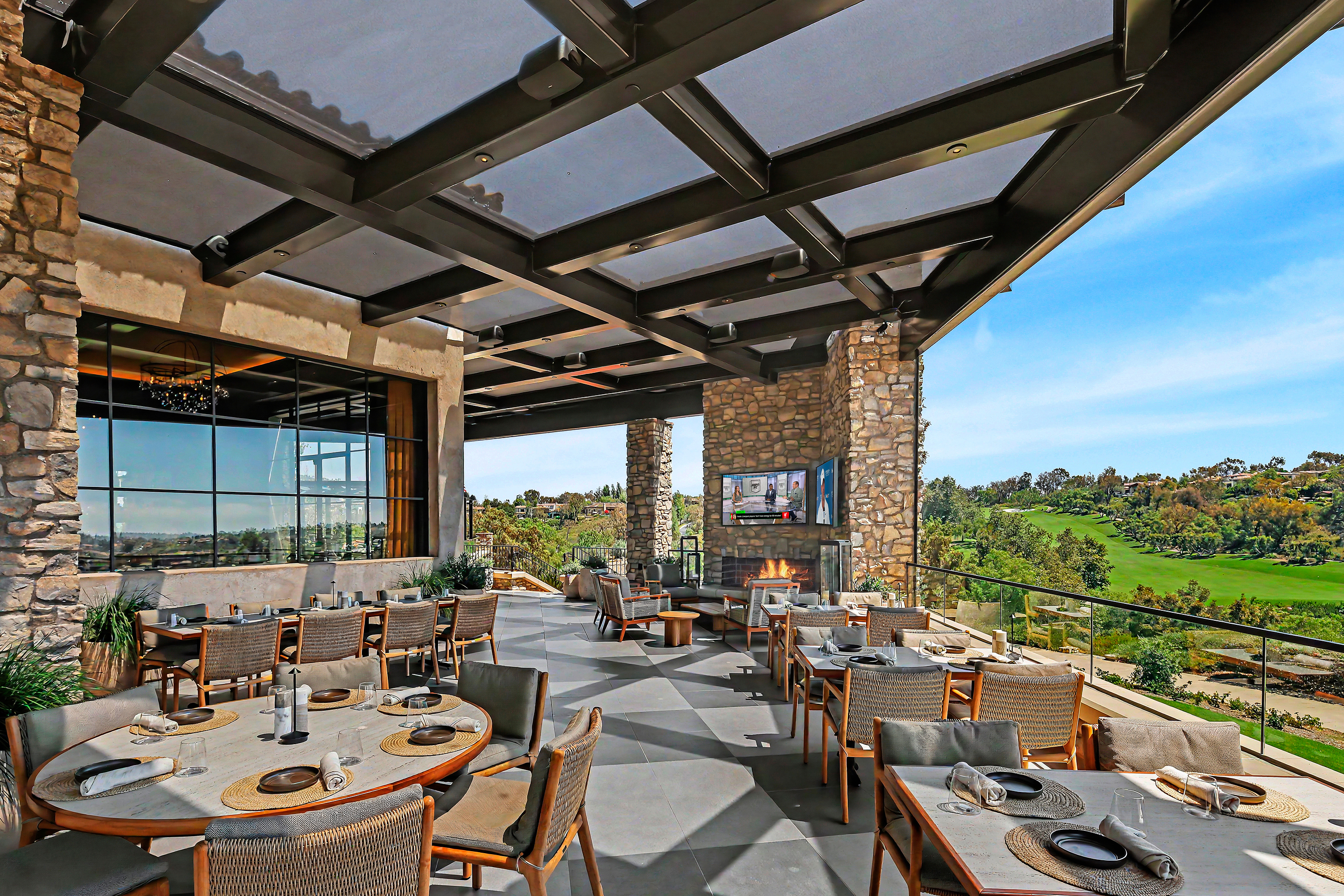
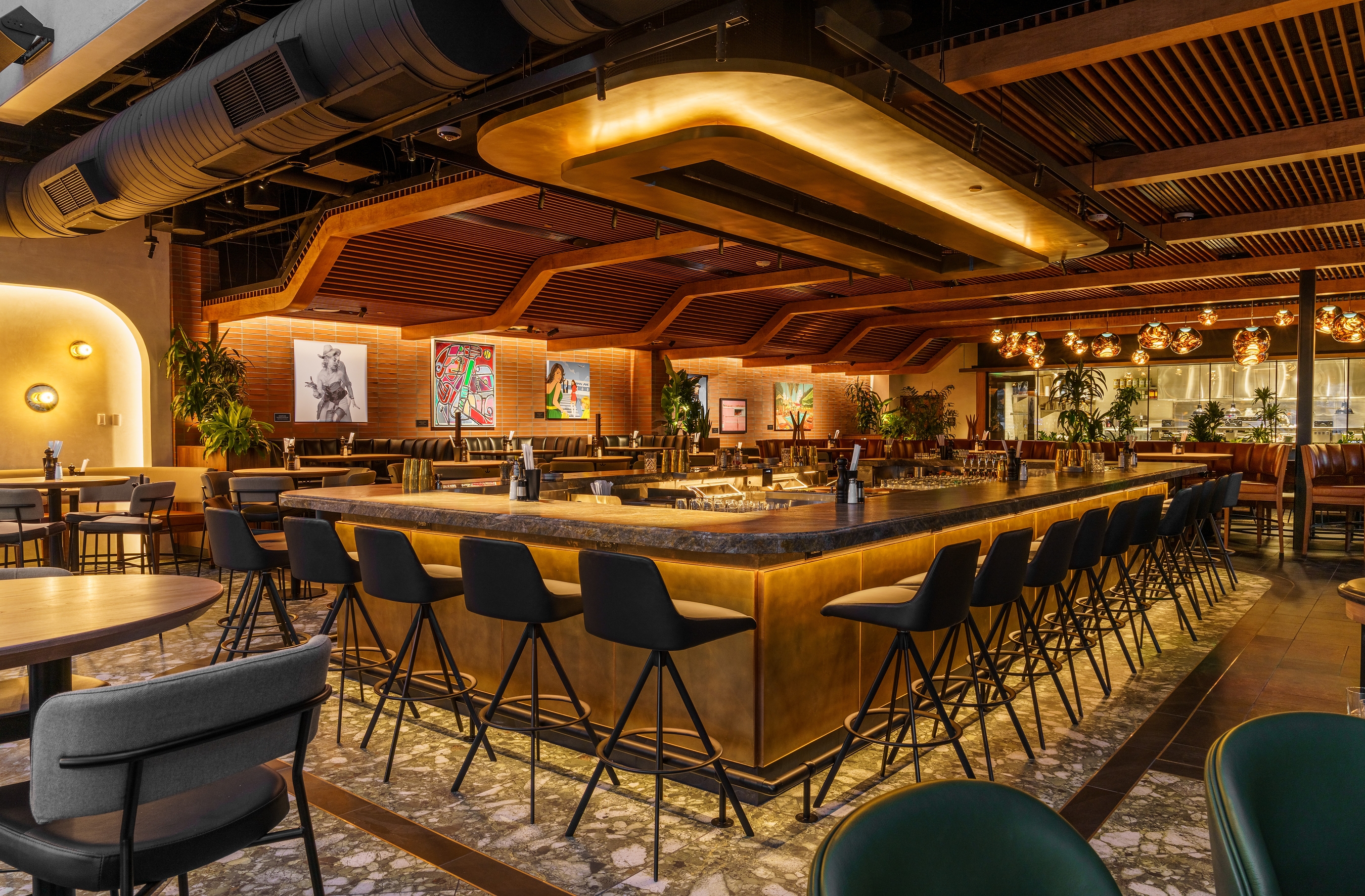
A 7,800-square-foot open-kitchen build-out in Uptown Dallas marks JOEY Restaurants' second Texas footprint, with the new JOEY Maple location opening September 10 at 2508 Maple Avenue. The unit is notable for its ventilation and daylighting infrastructure: a fully operable skylight anchors the dining room while perimeter operable windows ring the space, creating what the brand describes as an "immersive indoor alfresco environment" — a design strategy that reduces reliance on mechanical conditioning during moderate weather and signals growing operator interest in hybrid indoor-outdoor kitchen and dining envelopes.
The Kitchen Build
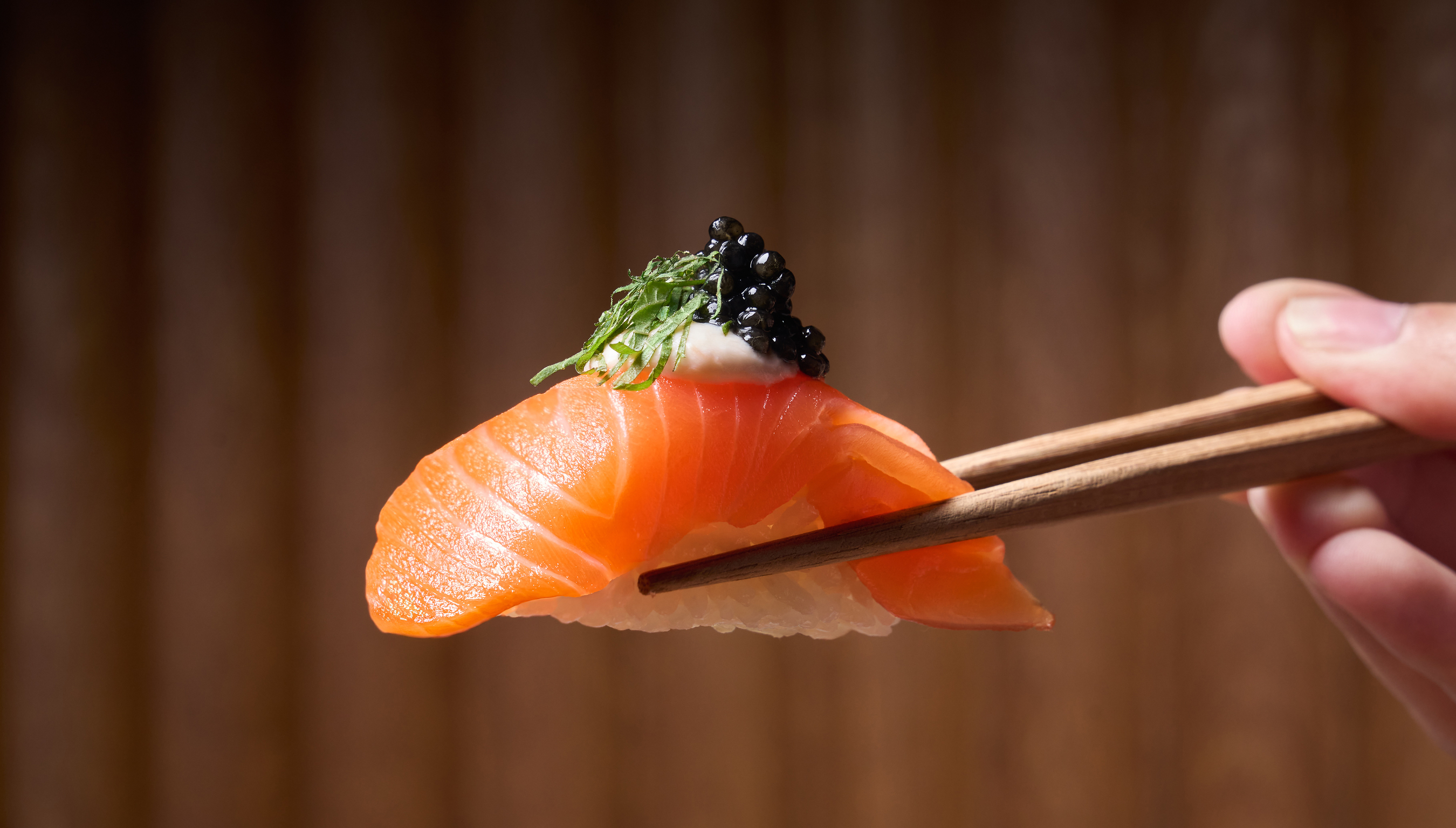
The open kitchen is positioned as a deliberate focal point at the rear of the dining room, framed by a custom dramatic lighting installation. For equipment specifiers, an exhibition kitchen of this scale in a full-service, multi-daypart operation — serving lunch, happy hour, and dinner from 11 a.m. to midnight on weekends — demands a high-throughput cooking suite capable of handling premium steaks, fire-torched sushi, fresh seafood, and scratch pasta simultaneously. The menu's range, from bone-in prime ribeye and tomahawk cuts to truffle udon carbonara and crispy nigiri, points to a line that likely integrates high-BTU broilers, induction or open-flame wok-style burners, and dedicated sushi prep refrigeration. Executive Chef Matthew Stowe, a Top Chef alumnus, leads the culinary team, with a beverage program overseen by Bar Development Leader Jay Jones alongside Group Sommelier Jason Yamasaki — a leadership structure that also implies a substantial back-bar cold-storage and draft infrastructure investment.
Design as Equipment Driver
The architectural spec at JOEY Maple illustrates how design ambition directly shapes equipment and ventilation decisions. Floor-to-ceiling glazing and sculptural vertical wood screening on the exterior create thermal loads that HVAC and kitchen ventilation engineers must account for when sizing makeup air and exhaust systems for the open line. The operable skylight, while delivering natural light and passive ventilation potential, requires integration with the kitchen hood and exhaust strategy to prevent negative-pressure conditions that can disrupt cooking-equipment combustion or exhaust capture — a coordination challenge well known to foodservice kitchen design consultants. The fire bowl lounge at the entry adds another controlled-combustion element to the facility's overall ventilation load.
For dealers and operator equipment specifiers tracking JOEY's U.S. growth, the Dallas expansion is the second of what company president Layne Krienke frames as a broader domestic strategy. A multi-daypart, 7,800-square-foot open-kitchen format at this menu complexity represents a significant capital equipment deployment — and a repeatable template if the brand continues its stated U.S. growth trajectory. Operators and consultants designing similar upscale-casual exhibition kitchens in mixed-use urban settings will find the JOEY Maple build a relevant case study in balancing design spectacle with back-of-house operational practicality.
Written by Michael Politz, Author of Guide to Restaurant Success: The Proven Process for Starting Any Restaurant Business From Scratch to Success (ISBN: 978-1-119-66896-1), Founder of Food & Beverage Magazine, the leading online magazine and resource in the industry. Designer of the Bluetooth logo and recognized in Entrepreneur Magazine's "Top 40 Under 40" for founding American Wholesale Floral, Politz is also the Co-founder of the Proof Awards and the CPG Awards and a partner in numerous consumer brands across the food and beverage sector.