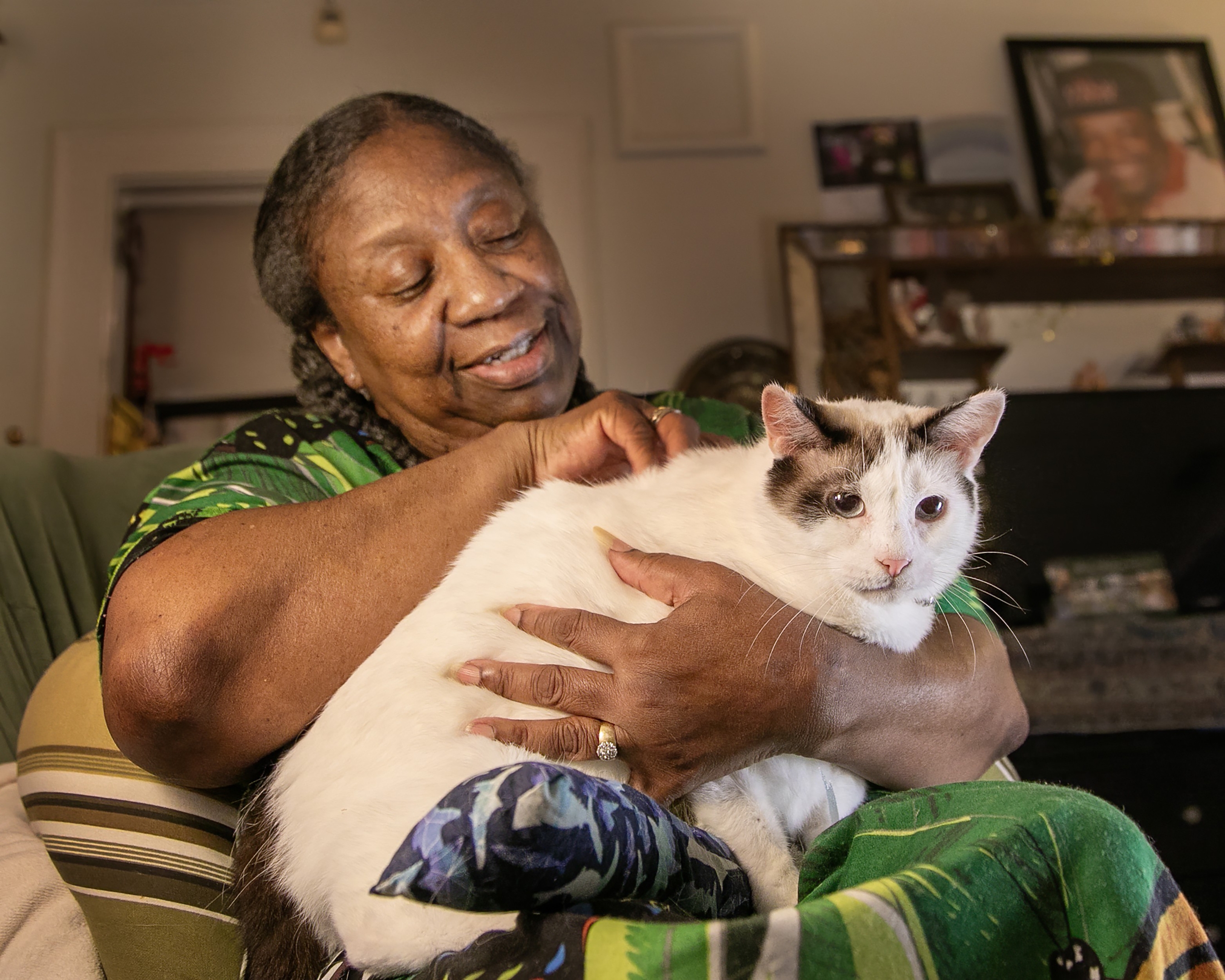
Meals on Wheels America and PetSmart Charities announced during Pet Appreciation Week (June 7–13, 2026) that their six-year partnership has now delivered 20 million pet meals to homebound seniors alongside the human meals already routed through the network's 5,000-plus community-based providers. That total represents a 33% increase over 2025 volumes — a throughput jump that puts real pressure on the prep, packaging, and cold-storage infrastructure inside those local program kitchens.
For equipment dealers and consultants serving the non-commercial senior-feeding segment, the milestone is a useful demand signal. Programs absorbing that kind of volume growth need to revisit cook-chill workflow, blast-chilling capacity, and route-ready portioning lines. Pet food packs — typically shelf-stable pouches or dry kibble portions — add a secondary SKU stream that requires dedicated staging and storage space, often carved out of the same walk-in or dry-storage footprint already under pressure from human meal production. Operators upgrading facilities should factor both streams into any prep-and-storage capacity planning.
The underlying program rationale is straightforward: seniors on fixed incomes sometimes skip their own meals to feed a pet, which worsens health outcomes and accelerates institutional placement. By bundling pet nutrition with human meal delivery, Meals on Wheels providers can support aging-in-place goals while keeping route economics consolidated. That consolidated route model — one driver, one stop, two meal types — is operationally efficient but demands tighter cold-chain discipline, particularly for any refrigerated pet food formats that may enter the mix as the program scales.
The volume surge also aligns with Meals on Wheels America's End the Wait™ initiative, which aims to reduce waitlists for homebound senior meal services nationwide. Programs responding to End the Wait pressure are, in many cases, simultaneously retrofitting or expanding production kitchens. Equipment specifiers working with these operators should evaluate high-throughput combi-oven configurations, insulated delivery carriers certified for multi-item loads, and expanded warewashing line capacity to handle the added container cycling that comes with pet meal packaging.
The PetSmart Charities grant model funds the pet meal component without redirecting human meal dollars, giving local Meals on Wheels providers a path to expand without restructuring existing kitchen budgets. For dealers approaching this segment, that structure means capital decisions — equipment upgrades tied to volume growth — still flow through the local provider's facilities team and board, not through a centralized purchasing authority.
Written by Michael Politz, Author of Guide to Restaurant Success: The Proven Process for Starting Any Restaurant Business From Scratch to Success (ISBN: 978-1-119-66896-1), Founder of Food & Beverage Magazine, the leading online magazine and resource in the industry. Designer of the Bluetooth logo and recognized in Entrepreneur Magazine's "Top 40 Under 40" for founding American Wholesale Floral, Politz is also the Co-founder of the Proof Awards and the CPG Awards and a partner in numerous consumer brands across the food and beverage sector.