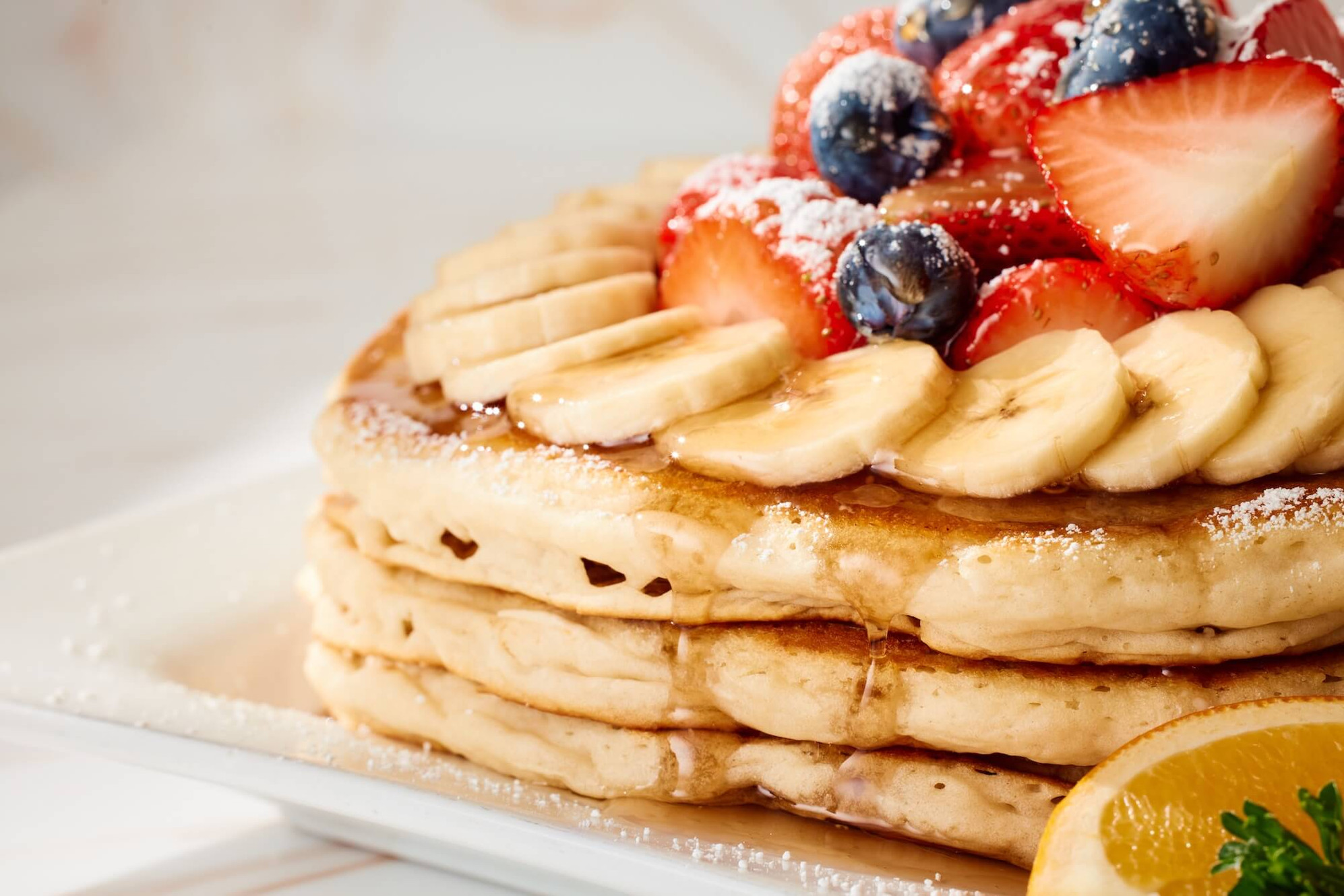
Florida-born Keke's Breakfast Cafe jumped 11 spots to No. 297 on the 2026 Franchise Times Top 400, posting 22.5% systemwide sales growth and 18.8% unit growth — numbers that translate directly into a wave of new kitchen buildouts as the brand pushes beyond its home state into Georgia, Tennessee, Nevada, Texas, Colorado, and California.
The chain now operates 82 locations and surpassed $135 million in global systemwide sales, outpacing the 4.3% aggregate growth rate recorded across all 400 ranked brands. For equipment dealers and kitchen designers tracking where new-unit construction is clustering in the breakfast-lunch segment, Keke's expansion trajectory puts it firmly on the radar.
The Operational Model
Keke's daytime-only format — cafes open from 7 a.m. to 2:30 p.m. — defines its back-of-house requirements as much as its franchise appeal. Running a single daily shift narrows the equipment duty cycle, meaning griddles, waffle irons, commercial ranges, and prep stations handle a concentrated breakfast-and-brunch rush rather than multi-daypart loads. That concentrated throughput demands reliable, high-output cooking equipment, and the menu — pancakes, waffles, omelets, sandwiches — is griddle- and range-heavy by nature. Consultants specifying kitchens for similar daytime concepts will recognize the configuration: high-volume flat-top cooking, egg station infrastructure, and refrigerated prep rails sized for fresh-ingredient menus.
The single-shift model also compresses refrigeration and cold-chain demands into a tighter window, making properly sized reach-in and under-counter refrigeration critical to maintaining food quality during peak service. As the brand enters new markets — particularly in higher-cost Western states like California and Nevada — local energy codes and energy-and-sustainability requirements will shape equipment selection, with ENERGY STAR-rated cooking and refrigeration becoming increasingly relevant for franchisee operating economics.
Buildout Implications
With 82 units already operating and franchise development actively targeting additional states, the pipeline of kitchen builds represents a meaningful opportunity for the dealer and cooking-equipment supply chain. Each new Keke's unit requires a full commercial kitchen fit-out: heavy cooking equipment, ventilation hoods calibrated to griddle-intensive menus, warewashing systems, cold storage, and prep infrastructure — all specified to a daytime-only, high-turn model.
Ardag Tachian, senior director of franchise development at Keke's, framed the growth as deliberate: "Our focus is on continuing to expand thoughtfully, supporting our franchise partners and bringing the Keke's experience to even more communities." That measured pace benefits dealers and reps building relationships with the brand's franchise network, as each market entry involves a distinct buildout engagement rather than a single national rollout.
For the broader breakfast-brunch segment, Keke's performance reinforces sustained operator investment in daytime-focused concepts — a category that has driven consistent equipment procurement activity in the post-pandemic period as consumers continue to favor breakfast and brunch occasions.
Written by Michael Politz, Author of Guide to Restaurant Success: The Proven Process for Starting Any Restaurant Business From Scratch to Success (ISBN: 978-1-119-66896-1), Founder of Food & Beverage Magazine, the leading online magazine and resource in the industry. Designer of the Bluetooth logo and recognized in Entrepreneur Magazine's "Top 40 Under 40" for founding American Wholesale Floral, Politz is also the Co-founder of the Proof Awards and the CPG Awards and a partner in numerous consumer brands across the food and beverage sector.