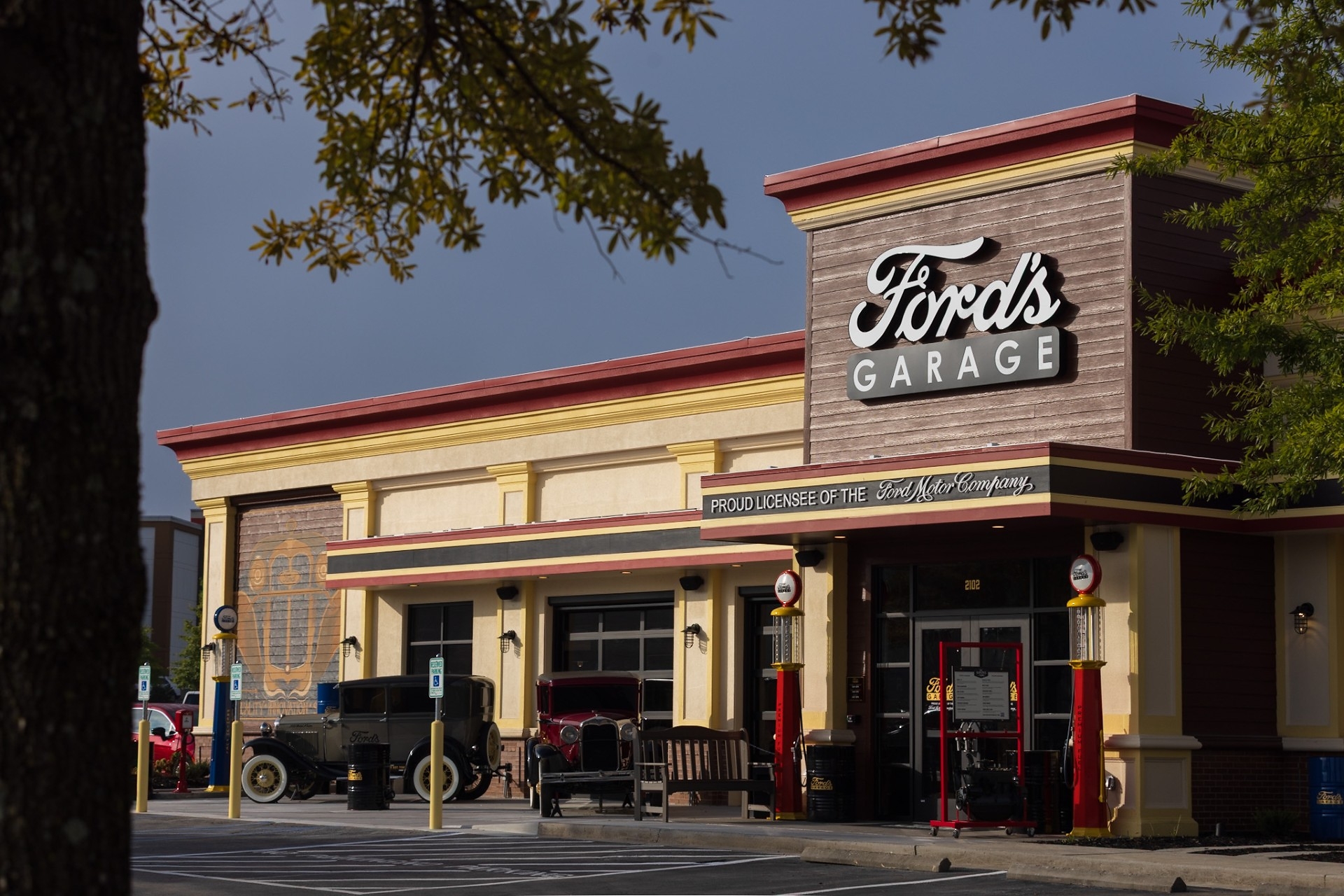
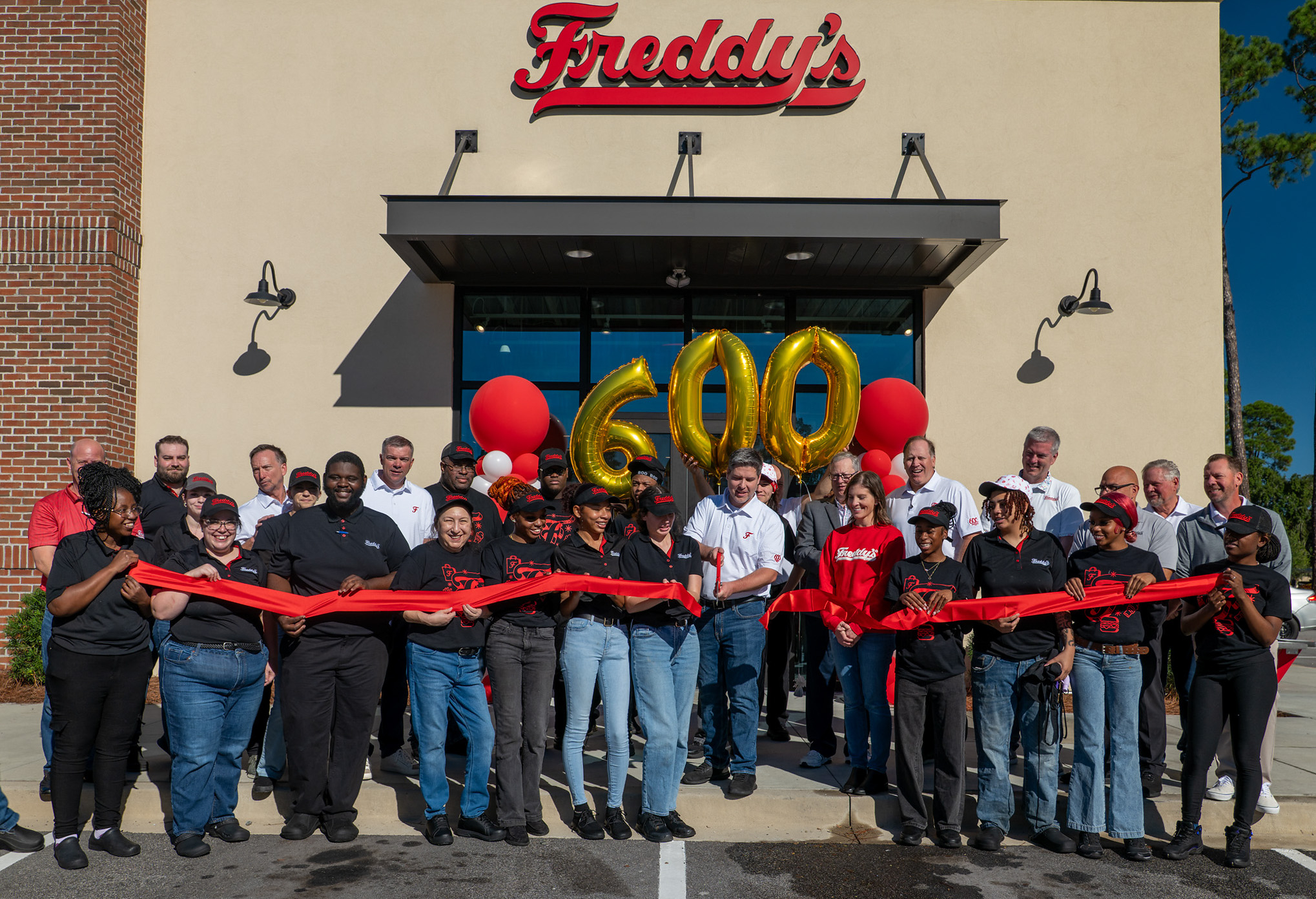
Freddy's Frozen Custard & Steakburgers](https://www.freddys.com/) has crossed the 600-unit mark with a location in Beaufort, South Carolina, that doubles as a proof-of-concept for the brand's retooled kitchen build-out strategy. The new restaurant is an endcap, no-drive-thru prototype — a deliberate departure from Freddy's traditional freestanding pad-site format — and carries real implications for the equipment packages, ventilation layouts, and back-of-house footprints that franchisees and their consultants will be specifying in the years ahead.
The New Prototype
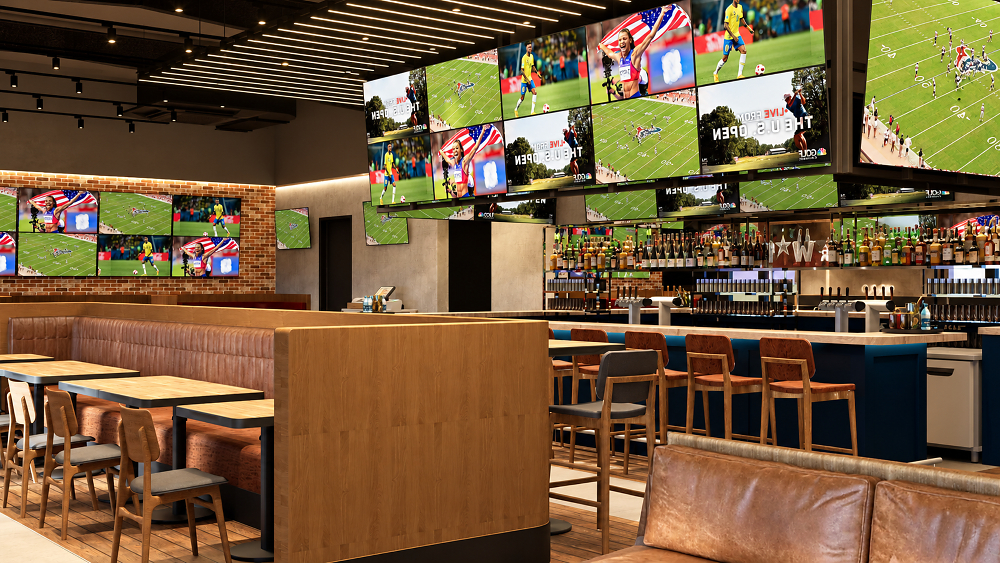
The Beaufort location seats 65 guests and includes an outdoor patio, fitting the site into an endcap configuration rather than a standalone building. Owned and operated by long-time franchisee Charleston Custard, the unit reflects Freddy's push to make its kitchen and operational model work across a broader range of real estate types — including in-line strip-center bays and endcap positions that typically require tighter mechanical and equipment footprints than purpose-built drive-thru pads. For equipment dealers and foodservice consultants specifying fast-casual kitchens, that shift means the brand's cooked-to-order steakburger and frozen-custard lines must be engineered into more constrained back-of-house envelopes without compromising throughput.
What It Means for Operators
Freddy's stated expansion priorities — the Northeast, Rust Belt, Midwest, Pacific Northwest, Northern California, Florida, and now international markets including a five-unit Philippines development deal — skew heavily toward dense urban and suburban corridors where endcap and in-line spaces are far more prevalent than greenfield pad sites. That geographic pivot accelerates demand for compact, high-output cooking and refrigeration equipment capable of handling cooked-to-order volume inside tighter square footage. Franchisees entering those markets will need equipment packages scaled to smaller footprints while sustaining the brand's freshly prepared menu, which anchors on flat-top steakburger cookery and continuous-batch frozen custard production.
"Our shift towards in-line and endcap models is giving us greater flexibility in how and where we develop, creating more opportunities to bring Freddy's to communities across the country," said Chris Dull, President & CEO of Freddy's. The operational implication is that dealers and reps working with Freddy's franchisees should expect a growing volume of non-standard site packages — each requiring custom ventilation and equipment layout work rather than a plug-and-play freestanding-building spec.
Scale and Trajectory
Founded in Wichita, Kansas, in 2002, Freddy's has grown to 600 units across the United States, with active franchisee recruitment underway domestically and in Canada and Mexico. The brand's ranking on Technomic's Top 500 and Fast Casual's Top 100 Movers + Shakers reflects a growth pace that will continue generating significant equipment-fleet volume. For the supply chain — from smallwares and ware-handling through heavy cooking equipment and frozen-dessert machinery — a chain at this scale and expansion velocity represents a consistent and material purchasing stream. Dealers and manufacturer reps tracking fast-casual energy and sustainability requirements should also note that endcap builds in strip centers often face different utility infrastructure constraints than pad sites, making energy-efficient equipment specifications more critical from the outset.
Written by Michael Politz, Author of Guide to Restaurant Success: The Proven Process for Starting Any Restaurant Business From Scratch to Success (ISBN: 978-1-119-66896-1), Founder of Food & Beverage Magazine, the leading online magazine and resource in the industry. Designer of the Bluetooth logo and recognized in Entrepreneur Magazine's "Top 40 Under 40" for founding American Wholesale Floral, Politz is also the Co-founder of the Proof Awards and the CPG Awards and a partner in numerous consumer brands across the food and beverage sector.