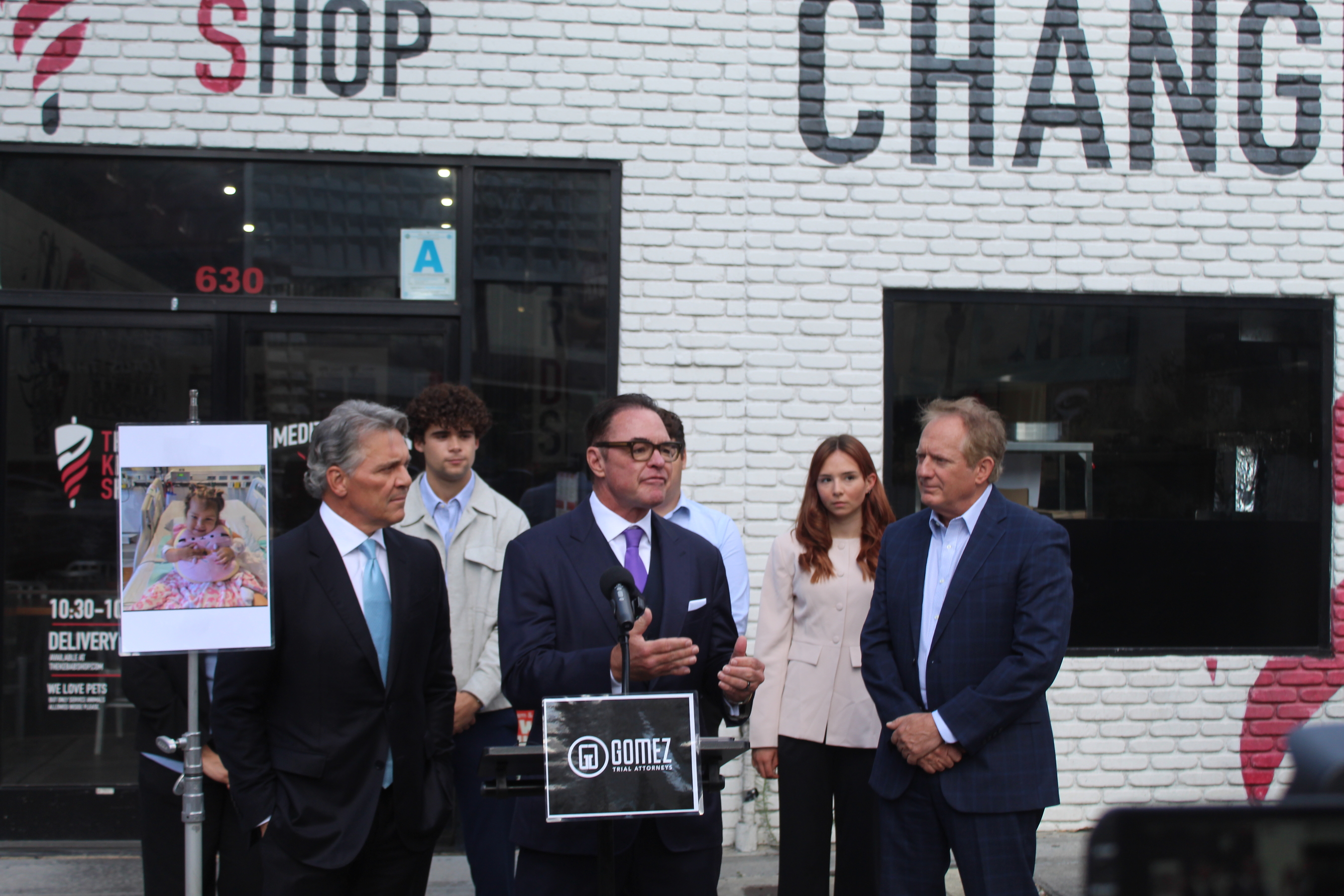
A civil lawsuit filed May 28 in San Diego marks the first legal action stemming from an E. coli outbreak tied to The Kebab Shop restaurant chain, with attorneys warning additional victims may come forward. The complaint, announced outside the chain's downtown San Diego location by food poisoning attorney Ron Simon and civil rights trial attorney John Gomez, centers on the chain's beef kofta product as the suspected vector.
For foodservice operators and equipment specifiers, outbreaks of this nature serve as a pointed reminder that cooking equipment calibration, holding temperature discipline, and surface sanitation protocols are the last line of defense against pathogen survival in ground or formed meat products. Beef kofta — a formed, spiced ground beef product — requires verified internal cook temperatures and properly maintained hot-holding equipment to eliminate E. coli O157:H7 and similar strains. Any variance in grill or broiler performance, or a lapse in holding-cabinet temperature logs, can create liability exposure that now clearly extends to litigation.
Operators running high-volume kebab or fast-casual Mediterranean concepts should treat this case as a catalyst to audit their cooking equipment — particularly gas or electric charbroilers, flat-top griddles, and countertop contact grills used for formed meat — verifying that calibrated thermostats and documented cleaning-and-sanitation schedules are current. Consultants specifying kitchens for similar fast-casual chains should factor NSF-certified equipment with smooth, cleanable surfaces and minimal harborage points into their equipment packages.
The outbreak also underscores the role of prep-and-storage discipline: cross-contamination between raw formed beef and ready-to-eat accompaniments like tabbouleh, hummus, or pita is a recognized risk pathway in kebab-format kitchens. Refrigeration equipment maintaining proper raw-meat segregation — dedicated drawers or compartments rated and verified at 41°F or below — combined with color-coded prep protocols, is essential to any hazard analysis.
The legal and reputational stakes of a multiparty E. coli claim are substantial for any regional or growing chain. As more potential plaintiffs are identified, the case may expand, drawing further regulatory and media scrutiny to The Kebab Shop's food safety management systems. Operators across the fast-casual segment would be well-served to review their HACCP plans, equipment calibration records, and sanitation logs before similar scrutiny arrives at their door.
Written by Michael Politz, Author of Guide to Restaurant Success: The Proven Process for Starting Any Restaurant Business From Scratch to Success (ISBN: 978-1-119-66896-1), Founder of Food & Beverage Magazine, the leading online magazine and resource in the industry. Designer of the Bluetooth logo and recognized in Entrepreneur Magazine's "Top 40 Under 40" for founding American Wholesale Floral, Politz is also the Co-founder of the Proof Awards and the CPG Awards and a partner in numerous consumer brands across the food and beverage sector.