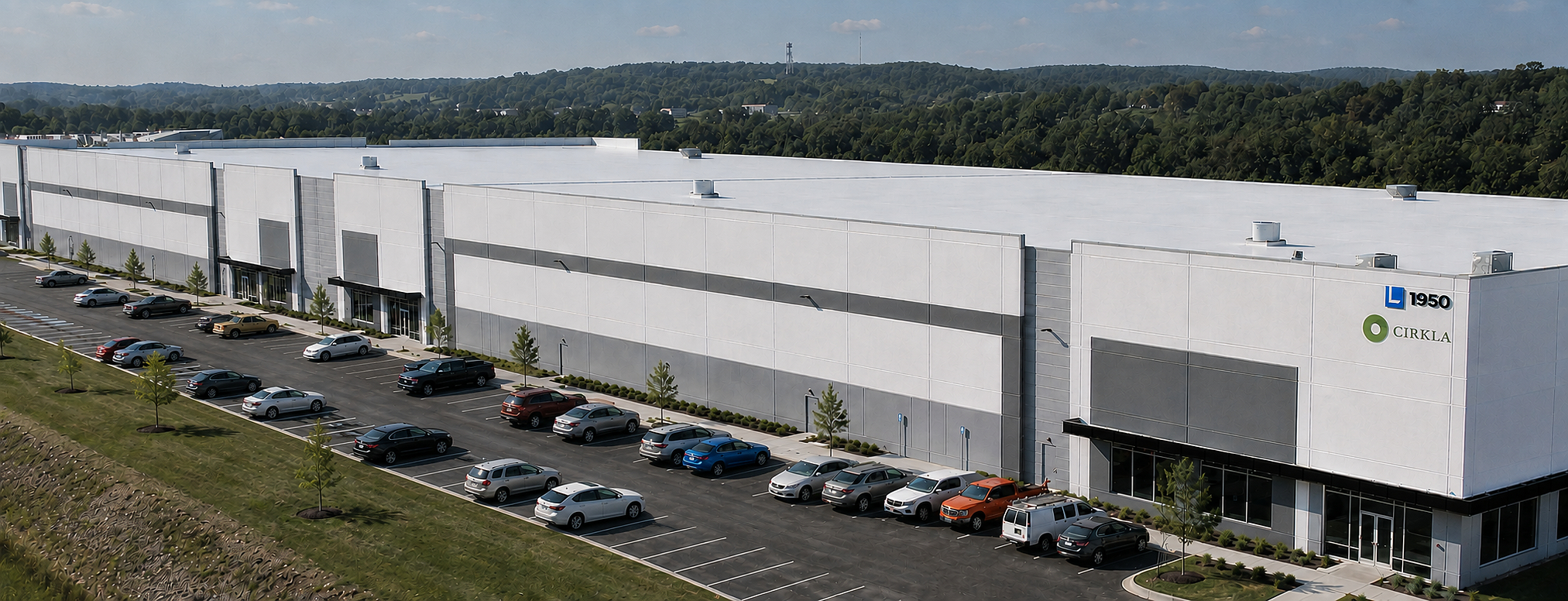
A domestic manufacturing gap in sustainable meat packaging is about to close. Cirkla, the company behind what it calls the world's first fiber Modified Atmosphere Packaging (MAP) trays with patented liner technology, will open a U.S. production facility in Gainesville, Georgia — the self-styled Poultry Capital of the World — with commercial output targeted for Q1 2027. The plant, located at the Gainesville 85 Business Center in Hall County, will be the first American facility dedicated exclusively to scaling molded fiber meat packaging for national protein brands and grocery retailers.
The Technology Case
Molded fiber packaging for fresh meat has a long history of commercial false starts, hampered by barrier performance that couldn't match conventional expanded polystyrene or rigid plastic trays. Cirkla claims to have cracked that barrier problem with its MAP fiber trays — made from sugarcane bagasse, bamboo, and wood pulp — which are already running on production lines in India and validated across major U.S. protein processor equipment platforms. CEO Vaibhav Goel describes the India operation as proof of commercial viability at scale: "Our manufacturing in India runs at scale and has validated this technology in real production environments across some of the most demanding protein categories. As U.S. demand has grown, so has the case for a domestic footprint."
For foodservice operators and protein processors evaluating packaging transitions, the plug-and-play compatibility claim is significant. Cirkla says its fiber trays are designed to run on the installed base of MAP and overwrap equipment already in use at large-scale processing facilities, removing a key adoption barrier that has stalled competitive fiber formats. Consultants and equipment specifiers working on cold-chain and prep-and-storage buildouts should note that no packaging-line retrofits are implied by Cirkla's positioning.
Facility Specs and Capacity
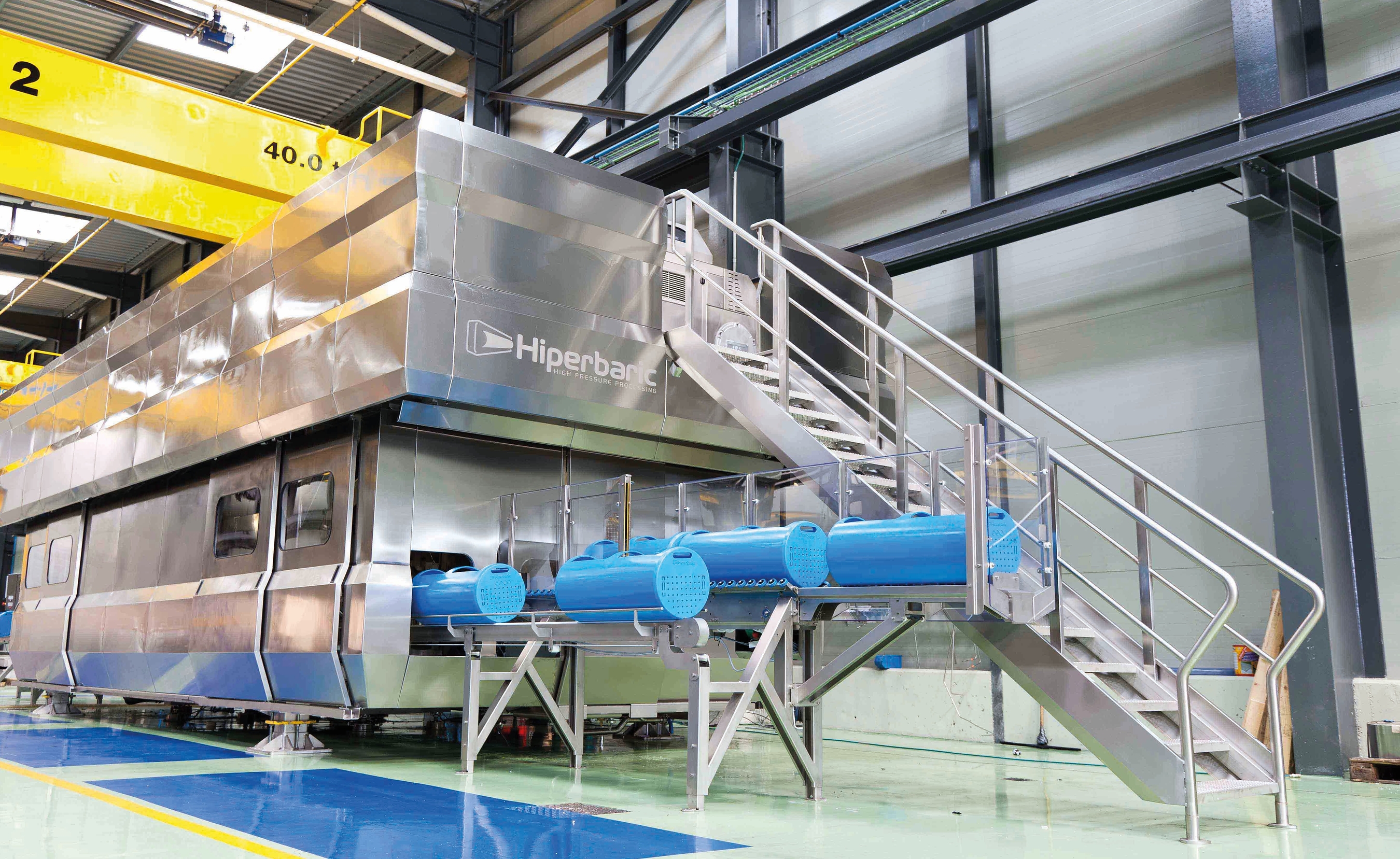
The Gainesville plant will feature patent-pending production technology, precision automation, in-house quality control laboratories, and expanded finishing capabilities for both MAP and overwrap tray formats. At full capacity, the facility is expected to employ more than 100 people. Beyond meat and poultry trays, the site will support Cirkla's broader molded fiber portfolio — including ready meal packaging, produce trays, and custom formats — giving protein processors a single domestic source for multiple SKU types.
The location is deliberate. Gainesville sits adjacent to the brand-new Gainesville Inland Port, a Georgia Ports Authority investment that connects Hall County manufacturers to Savannah's deepwater terminals. That logistics infrastructure matters for operators and distributors managing cold chain and storage across national distribution networks, where lead times and supply chain resilience have become critical spec criteria post-pandemic.
Georgia Governor Brian Kemp highlighted the site's export connectivity in his comments on the announcement, noting that the inland port positions Cirkla to serve both domestic and international customers from a single hub. Greater Hall Chamber of Commerce President and CEO Tim Evans pointed to Hall County's existing concentration of food manufacturers and protein processors as a ready customer base within trucking distance of the new plant.
What It Means for the Sector
For foodservice and food-retail equipment buyers, the broader implication is accelerating pressure on packaging specifications. As leading grocery retailers and protein brands formalize plastic-reduction commitments, the equipment and materials decisions tied to those commitments ripple back through commissary kitchens, ghost kitchen buildouts, and central production facilities. Operators building or retrofitting cooking equipment and packaging lines will increasingly encounter fiber MAP trays as a credible commercial option rather than a pilot-program novelty.
Cirkla's Georgia plant also signals that domestic supply is becoming a realistic alternative to imported sustainable packaging — a shift with direct implications for procurement lead times, tariff exposure, and supply chain auditing requirements that foodservice operators and their equipment consultants must now factor into facility planning.
Written by Michael Politz, Author of Guide to Restaurant Success: The Proven Process for Starting Any Restaurant Business From Scratch to Success (ISBN: 978-1-119-66896-1), Founder of Food & Beverage Magazine, the leading online magazine and resource in the industry. Designer of the Bluetooth logo and recognized in Entrepreneur Magazine's "Top 40 Under 40" for founding American Wholesale Floral, Politz is also the Co-founder of the Proof Awards and the CPG Awards and a partner in numerous consumer brands across the food and beverage sector.