Carl's Jr. is overhauling its back-of-house burger production process across more than 1,000 U.S. locations, abandoning traditional holding-cabinet workflows in favor of a fully cooked-to-order charbroiler sequence. The move, branded internally as the "Burger Revolution," represents one of the more operationally significant line-process changes a major QSR chain has announced in recent years — and it carries real implications for equipment utilization, throughput planning, and BOH staffing models at the franchise level.
The Operations Shift
Under the previous system, Carl's Jr. relied on holding equipment to stage cooked patties, a common approach in high-volume QSR environments that trades peak freshness for predictable throughput. The new protocol requires patties to begin cooking only after a guest places an order, running directly off the char broiler to the guest. That change demands tighter coordination between point-of-sale triggers and grill-side execution — a workflow that equipment consultants and franchise operators will need to account for when evaluating charbroiler capacity, conveyor timing, and order-pacing systems.
For equipment specifiers working with CKE franchisees on remodels or new builds, the shift signals a closer look at cooking equipment throughput: charbroilers must now handle demand spikes without the buffer that holding provided. Operators replacing or upgrading units will need to size broiler capacity to peak ticket volume rather than average throughput, potentially driving demand for wider or dual-belt conveyor charbroilers in higher-volume units.
Holding Equipment Implications
The retirement of holding systems as the primary burger-staging method at Carl's Jr. is a notable signal for the prep-and-storage equipment segment. While holding cabinets won't disappear from QSR kitchens entirely — they remain essential for buns, fries, and other items — their role in the burger-production line at CKE locations is being explicitly deprioritized. Dealers and reps servicing the CKE franchise network should expect conversations about charbroiler service cycles, grill cleaning protocols, and throughput audits as franchisees adapt their lines.
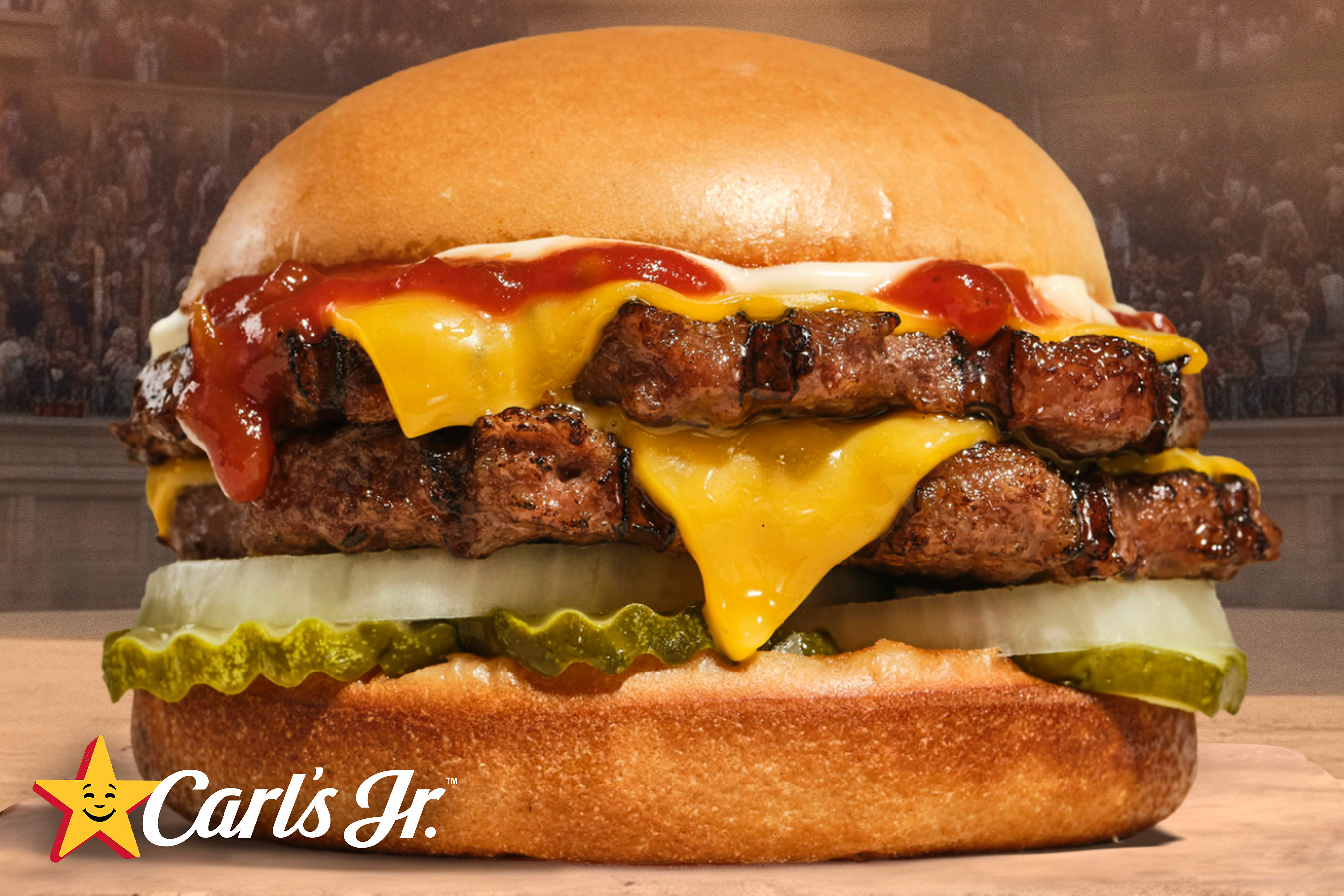
The operational rollout coincides with the launch of the Angus Maximus, a limited-time double-patty burger featuring two charbroiled 100% Angus beef patties totaling 5.7 ounces, priced at $5.99 through October 27. The LTO serves as the first menu item produced entirely under the new cooked-to-order standard, effectively functioning as a system-wide stress test for the new BOH workflow at scale across CKE Restaurants' domestic footprint.
Iwona Alter, brand president for Carl's Jr., framed the change as a foundational operations commitment rather than a promotional tactic. "The Burger Revolution and our shift to a cooked-to-order process represent our commitment to raising the standard across the entire Carl's Jr. experience," Alter said. The language tracks with broader QSR industry pressure to close the quality perception gap with fast-casual competitors, many of which have built their brand identity around made-to-order kitchen workflows from the outset.
For the equipment trade, the more durable story is how a 1,000-plus-unit chain reconfigures its line process without a full kitchen rebuild — a challenge that will put charbroiler performance, ticket-timing software integration, and BOH layout flexibility at the center of franchise support conversations throughout 2026 and into 2027.
Written by Michael Politz, Author of Guide to Restaurant Success: The Proven Process for Starting Any Restaurant Business From Scratch to Success (ISBN: 978-1-119-66896-1), Founder of Food & Beverage Magazine, the leading online magazine and resource in the industry. Designer of the Bluetooth logo and recognized in Entrepreneur Magazine's "Top 40 Under 40" for founding American Wholesale Floral, Politz is also the Co-founder of the Proof Awards and the CPG Awards and a partner in numerous consumer brands across the food and beverage sector.