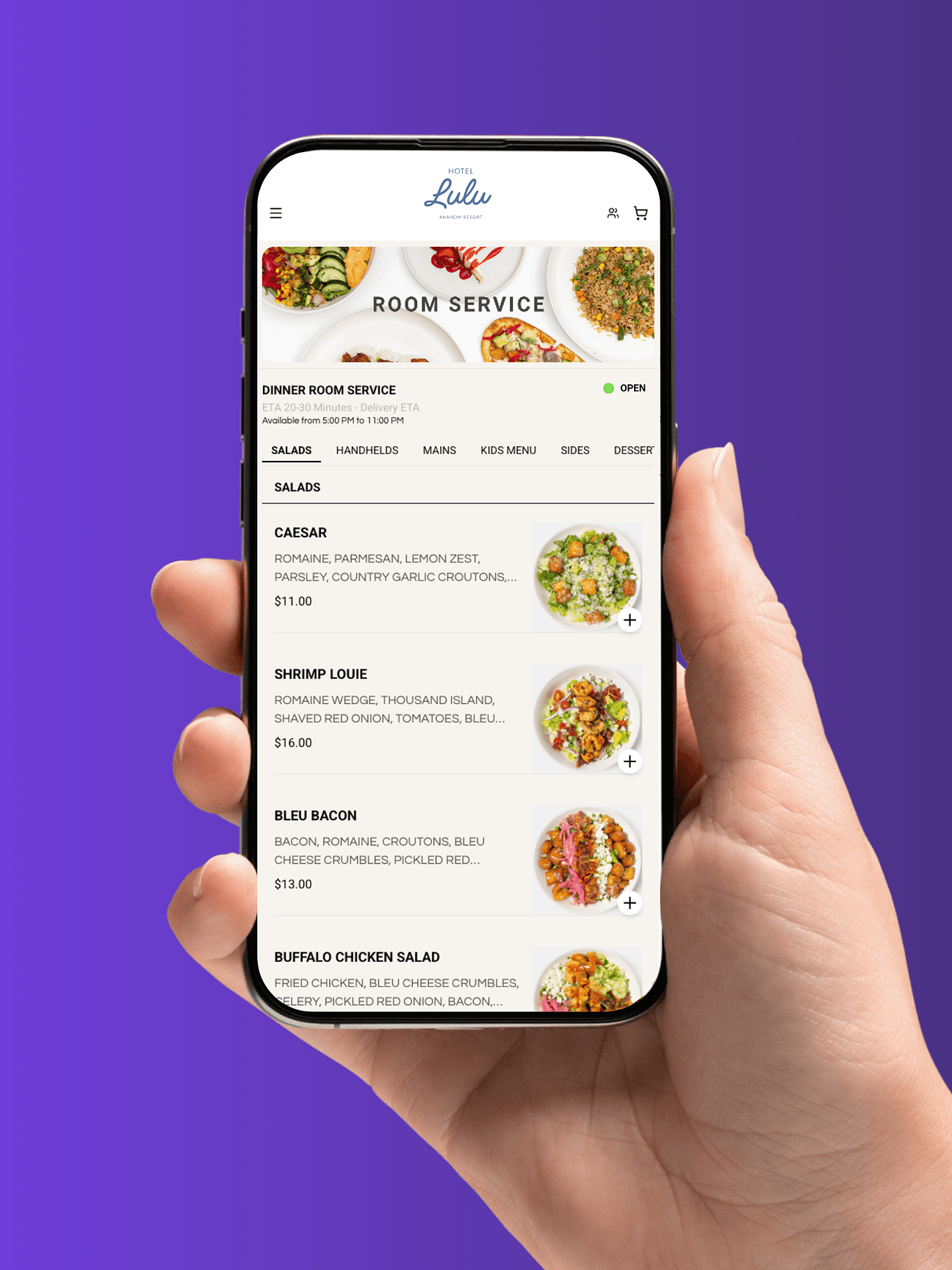
Ghost-kitchen economics are coming to hotel corridors. CAMO Hospitality has closed a $4 million seed round to expand its managed room-service platform across the U.S., giving hotels a branded food delivery channel without requiring a single piece of commercial kitchen equipment or additional back-of-house headcount on property.
The funding follows what the company reports as more than 200% year-over-year revenue growth. CAMO currently operates across more than 60 hotel properties in six U.S. markets and is in pilot discussions with several major hotel brands and management companies for portfolio-wide deployments.
The Model
CAMO's infrastructure handles ordering technology, local kitchen fulfillment, delivery logistics, and guest support under each hotel's own brand — essentially a commissary and ghost-kitchen arrangement that sits entirely off property. For equipment specifiers and consultants, the implication is direct: the platform is explicitly designed to eliminate the need for a hotel kitchen buildout or capital expenditure investment in cooking or warewashing equipment at the property level. Fulfillment is routed through existing local kitchen partners rather than onsite cooking facilities.
Orders average approximately $45, with delivery averaging around 22 minutes. Hotels earn between $1,000 and $5,000 in net monthly profit through a revenue-share model, with many properties directing that income toward staff incentives and guest recovery tools.
The Market Opportunity
CAMO estimates that hotel guests in the U.S. spend more than $5 billion annually on restaurant delivery to their rooms, while roughly nine in ten hotels no longer offer traditional room service — a gap created in large part by the capital and labor costs of maintaining a full-service hotel kitchen operation. Third-party delivery platforms currently capture most of that spending, leaving hotels without revenue, guest data, or brand control.
"The traditional model just became too expensive and operationally complex for most hotels to support," said Kevin Rohani, CAMO founder and CEO. "We built CAMO to give hotels a way to meet that demand without the fixed costs of traditional room service."
For the broader foodservice equipment channel, the CAMO model is a signal worth tracking. As off-premises dining infrastructure continues to mature, the ghost-kitchen and commissary-kitchen segment is absorbing food preparation volume that once required on-site commercial cooking suites. That migration creates both a challenge — reduced equipment demand from hotel new-builds — and an opportunity, as the fulfillment kitchens supplying these platforms require well-specified, high-throughput commercial cooking, refrigeration, and prep equipment to handle demand across multiple client channels simultaneously.
Advisory board additions include Paul Tuscano, former KFC Chief Digital Officer and Marriott International executive, and Alex Canter, founder of Ordermark and Nextbite — both figures closely associated with the off-premises and virtual-brand kitchen ecosystem. Investors include Anthony Lacavera, chairman of Globalive, and a group of current hotel-owner operators already using the platform.
Written by Michael Politz, Author of Guide to Restaurant Success: The Proven Process for Starting Any Restaurant Business From Scratch to Success (ISBN: 978-1-119-66896-1), Founder of Food & Beverage Magazine, the leading online magazine and resource in the industry. Designer of the Bluetooth logo and recognized in Entrepreneur Magazine's "Top 40 Under 40" for founding American Wholesale Floral, Politz is also the Co-founder of the Proof Awards and the CPG Awards and a partner in numerous consumer brands across the food and beverage sector.