A fully renovated commercial kitchen sits at the operational core of The Bridges at Rancho Santa Fe's $14 million clubhouse overhaul, completed this fall at the private golf and country club in North County San Diego. The kitchen rebuild — part of a comprehensive facility renovation designed by Hatch Design Group and Ohana Architects — is positioned to support an elevated culinary program under Executive Chef Alex Bloom, a Culinary Institute of America graduate with experience at Michelin-starred kitchens including Restaurant Daniel and Eleven Madison Park.
Kitchen as Culinary Engine
The redesigned back-of-house is engineered to connect the club's onsite farm directly to the dining room. Chef Bloom's farm-to-table concept relies on ingredients harvested at peak flavor, a supply model that demands cold-chain discipline, efficient prep workflow, and flexible cooking capability. The kitchen renovation was described by club leadership as a foundational investment in the culinary program rather than a cosmetic upgrade — a distinction that carries weight for foodservice equipment specifiers and consultants working in the private club and resort segment.
Board President Brian O'Callaghan noted the project took a holistic approach, ensuring every capital allocation supported the club's long-term strategic plan. At $14 million across the full clubhouse scope — including approved additions — the investment reflects the scale of renovation activity increasingly common at aging private clubs seeking to retain and attract members through elevated hospitality.
Front-of-House Specs Driving BOH Demand
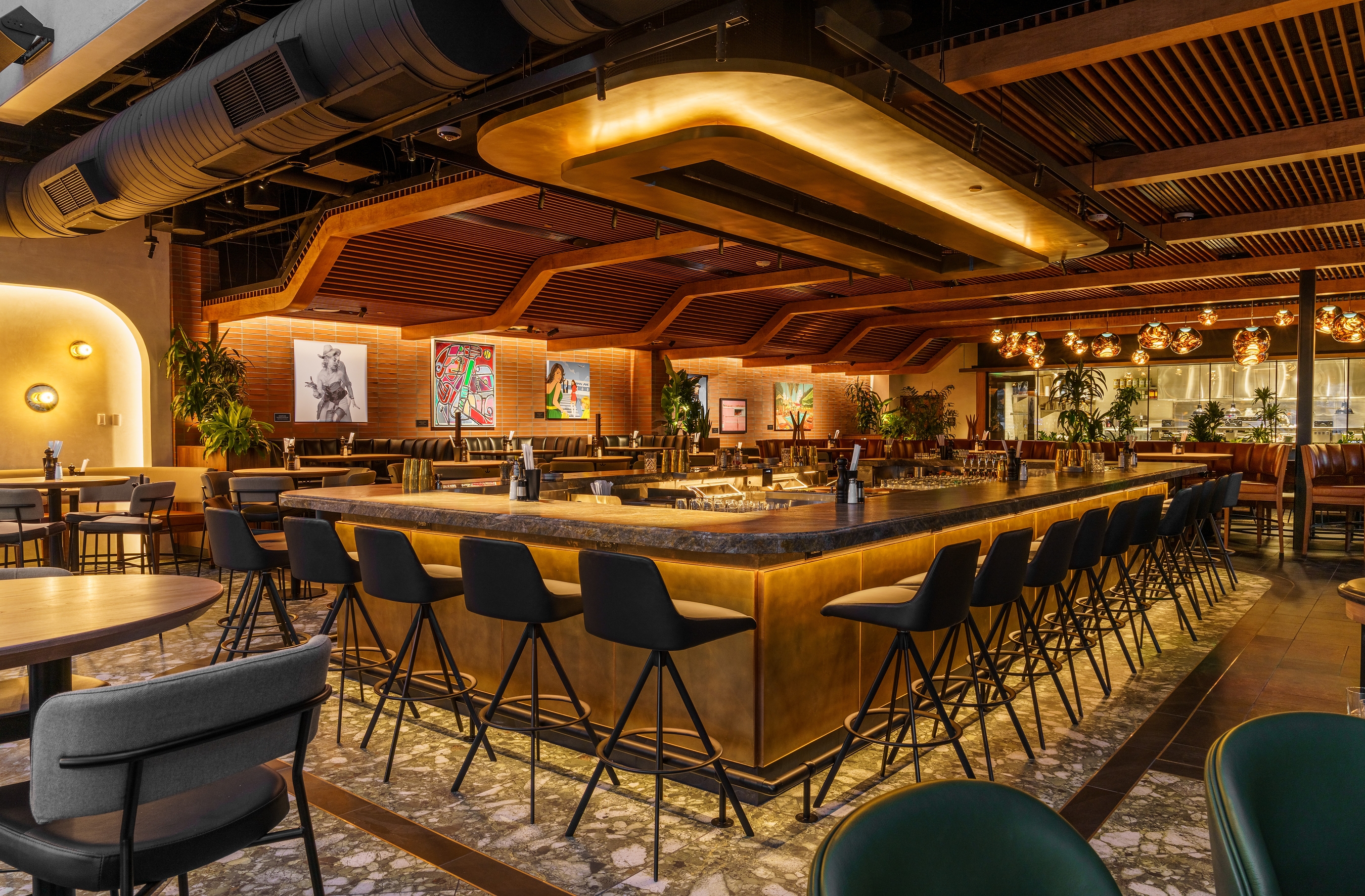
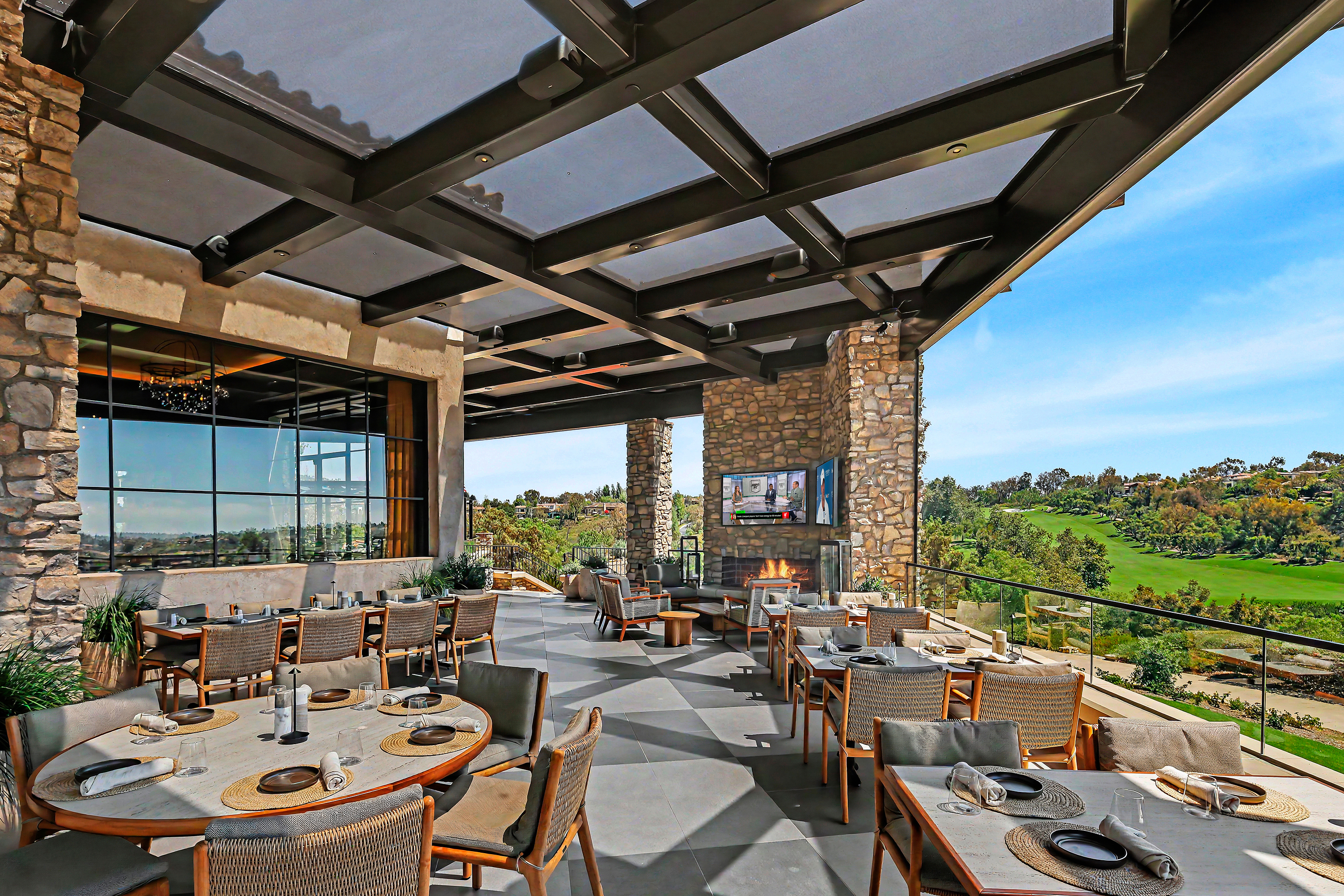
The dining room received century-old reclaimed white oak floors and the terrace features radiant-heated stone floors, details that point to year-round outdoor dining capacity — and the extended service windows that challenge any commercial kitchen's throughput planning. Sound-attenuation panels in the Club Bar, expanded indoor-outdoor gathering spaces, and new glass walls opening to golf course views all signal a facility designed for high-volume private events alongside à la carte service.
For operators and equipment consultants specifying private club kitchens, this kind of front-of-house ambition typically drives specification of combi ovens, blast chillers, and high-capacity refrigeration capable of supporting banquet prep alongside daily dining service. The Bridges' program — pairing refined French technique with local sourcing and a Level 2 Sommelier-curated wine program — further suggests cold storage and beverage-handling infrastructure commensurate with a fine-dining operation.
The broader private club segment has seen accelerating capital investment in clubhouse renovations post-pandemic, as membership demand at premier facilities outpaced aging physical plants. Kitchen modernization has emerged as a recurring priority in these projects, with operators citing the need to attract and retain culinary talent as a key driver alongside member experience goals. The Bridges' decision to center its renovation narrative on the kitchen and chef program reflects that trend — and signals opportunity for equipment dealers and reps serving the Southern California hospitality market.
Written by Michael Politz, Author of Guide to Restaurant Success: The Proven Process for Starting Any Restaurant Business From Scratch to Success (ISBN: 978-1-119-66896-1), Founder of Food & Beverage Magazine, the leading online magazine and resource in the industry. Designer of the Bluetooth logo and recognized in Entrepreneur Magazine's "Top 40 Under 40" for founding American Wholesale Floral, Politz is also the Co-founder of the Proof Awards and the CPG Awards and a partner in numerous consumer brands across the food and beverage sector.