Bar-and-grill operators running coal-fired ovens, deck ovens, or conveyor pizza stations are increasingly being targeted by Bacio Cheese as the premium Italian-style mozzarella brand expands its commercial foodservice push beyond dedicated pizzerias. The company, a Leprino Foods brand headquartered in Denver, is positioning its buffalo-milk-blended cheese as a back-of-house upgrade capable of turning pizza from a line-item afterthought into a high-margin signature.
The strategic pitch lands against a receptive operator backdrop: a 2026 Bacio survey found 97% of U.S. consumers love or like pizza, and 88% report eating the same amount or more pizza than the prior year — figures that translate directly into kitchen throughput decisions and ingredient sourcing strategies for multi-concept operators.
Operator Results at 19 Locations
The most concrete case study comes from Tommy's Tavern and Tap, a 19-location full-service concept spanning sushi, burgers, and tavern fare that has built a coal-fired pizza program into one of its top-performing categories. Executive Chef Chris Perrino says the switch to Bacio produced a measurable quality improvement: pizza complaints across the chain dropped from approximately 1.5% to just 0.25%. That kind of consistency metric matters acutely for multi-unit operators, where maintaining uniform cook results across a distributed kitchen fleet is a recurring challenge for equipment specifiers and culinary directors alike.
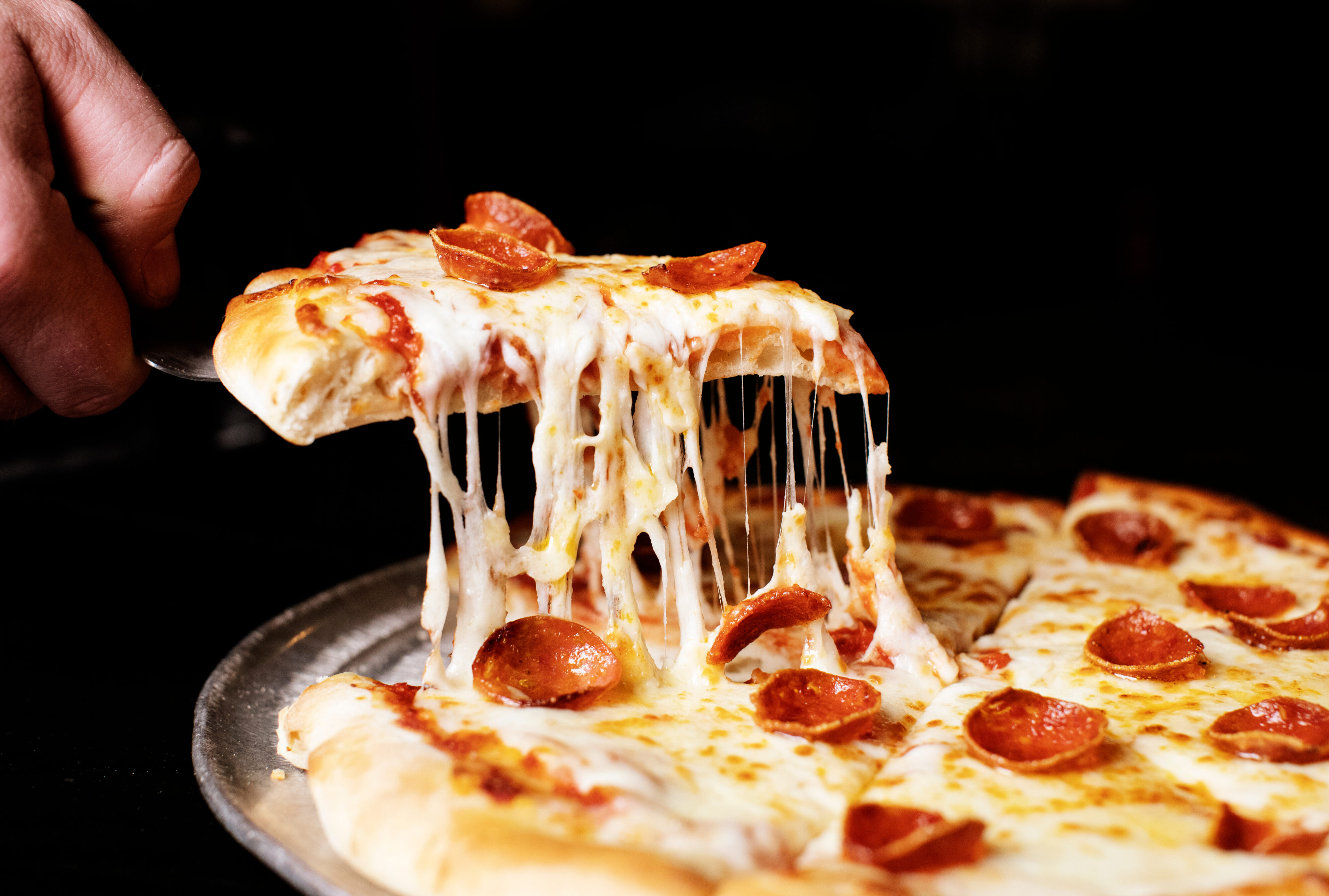
Off-premise performance is equally relevant to the back-of-house story. As third-party delivery and takeout volumes remain elevated, reheat behavior — how cheese performs after sitting in a to-go container for 20-plus minutes — has become a meaningful spec consideration when kitchens evaluate ingredient sourcing. Perrino reports that a Bacio slice held for roughly 20 minutes post-bake still stretches close to fresh mozzarella consistency rather than turning oily or rubbery, a quality attribute that reduces return orders and supports delivery program margins.
Bacio is available in blocks, diced, and shredded blends, allowing bar-and-grill kitchens to source a single SKU across multiple applications — pizza, dips, flatbreads — regardless of oven type. That inventory consolidation angle is relevant to operators managing tight prep-and-storage footprints, where minimizing the number of specialty dairy SKUs in cold storage simplifies both purchasing and cold chain and storage operations.
Distribution and Rewards Structure
On the distribution side, Bacio is channeling bar-and-grill operators through Performance Food Group as a distributor partner, with purchases automatically tracked through the Bacio Gold Club Rewards program. Members earn monthly cash-back rewards and gain access to a Marketing Store with co-branded merchandising support. At Tommy's Tavern and Tap, accumulated rewards funded the hiring of a dedicated pizza specialist who now travels between all 19 locations to train kitchen staff on technique, portion precision, and product performance — a staffing investment that directly reduces execution variance across the kitchen fleet.
Bobbi Laski, brand manager for Bacio, framed the operator value proposition in competitive terms: "A premium pizza program can be the differentiator operators need. Backed by deep pizza expertise, the Bacio team delivers actionable insights that help bar-and-grill operators compete with pizzerias, while remaining true to their established brand and menu offerings."
For equipment consultants and operators specifying or expanding bar-and-grill kitchens, the Bacio push underscores a broader trend: cooking equipment decisions — oven type, deck configuration, conveyor throughput — are increasingly being paired with premium ingredient strategies to justify capital investment. When a coal-fired or deck oven becomes the centerpiece of a kitchen build, the ingredient quality behind it determines whether that equipment investment pays off in guest retention and check averages. Bacio is offering product cutting and tasting demonstrations for operators evaluating the upgrade.
Written by Michael Politz, Author of Guide to Restaurant Success: The Proven Process for Starting Any Restaurant Business From Scratch to Success (ISBN: 978-1-119-66896-1), Founder of Food & Beverage Magazine, the leading online magazine and resource in the industry. Designer of the Bluetooth logo and recognized in Entrepreneur Magazine's "Top 40 Under 40" for founding American Wholesale Floral, Politz is also the Co-founder of the Proof Awards and the CPG Awards and a partner in numerous consumer brands across the food and beverage sector.