Scale Behind the Numbers
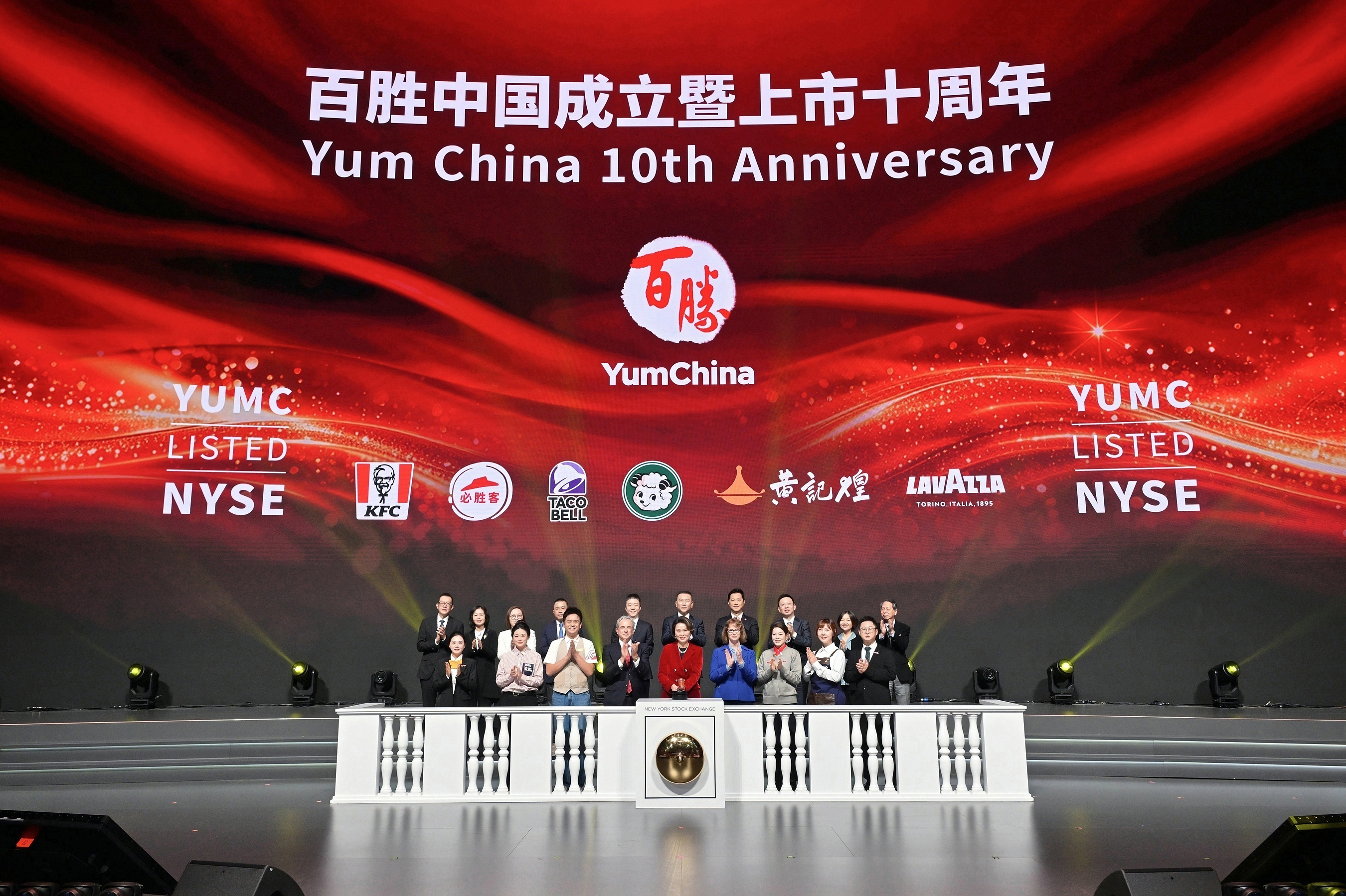
Yum China Holdings has crossed the 20,000-restaurant threshold — spanning KFC, Pizza Hut, Lavazza, Taco Bell, Little Sheep, and Huang Ji Huang across more than 2,800 cities in China — and is now targeting 30,000 locations by 2030. For the commercial kitchen equipment and design community, that trajectory represents one of the most consequential back-of-house buildout pipelines in the global foodservice industry. Adding 10,000 new kitchens in four years means an enormous ongoing demand for cooking equipment, refrigeration, ventilation, prep systems, and ware-handling infrastructure at scale.
The pace has accelerated sharply. It took the company 33 years to open its first 10,000 units; the second 10,000 came in just six years. The third 10,000 is now targeted in four — a compression that signals increasingly standardized, rapid-deploy kitchen formats optimized for speed-to-open across varied city tiers.
AI Meets the Connected Kitchen
The operational story is as significant as the real estate one. Yum China is rolling out an "AI Store Assistant" that integrates directly with connected kitchen equipment and restaurant operating data to deliver real-time recommendations to restaurant general managers. Building on its earlier "Q-Smart" pilot — which handled data-intensive tasks like labor scheduling and inventory management — the upgraded agent monitors restaurant traffic patterns and suggests adjustments to production runs and staffing levels on the fly.
The kitchen-equipment integration angle is critical: by pulling live data from connected cooking and prep systems, the AI can flag when production should ramp up or pull back, directly targeting food waste reduction. For equipment specifiers and foodservice automation advocates, this is a live-scale deployment of the IoT-enabled kitchen concept — one that ties equipment telemetry to labor and throughput management in a single agent interface. Consultants designing commissary and ghost kitchen infrastructure should note that Yum China's approach validates the business case for specifying connected, data-reporting equipment from the outset of a buildout rather than retrofitting later.
Formats, Channels, and What's Next
Yum China's expansion relies on a hybrid equity-and-franchise model paired with diverse store formats calibrated to different city tiers and consumer occasions. Side-by-side modular concepts — including the KCOFFEE café format nested within KFC footprints and Pizza Hut Burger Bar — are generating incremental revenue without full additional kitchen buildouts. That format flexibility puts a premium on modular, multi-use equipment that can support varied menu programs within a constrained footprint, a specification challenge familiar to any consultant working on high-density urban kitchen design.
To support its frontline workforce at this scale, the company also launched an RGM One-Stop Service Center — a single AI-assisted interface where dedicated case managers handle requests across IT, HR, supply chain, and finance. The supply chain integration is particularly relevant: Yum China operates an in-house, digitalized supply chain with a nationwide logistics center network, meaning equipment procurement, parts distribution, and consumables replenishment are managed internally at a scope few operators anywhere in the world can match. For equipment manufacturers and distributors seeking to enter or expand in the China market, that internal supply chain is the gatekeeper to tens of thousands of kitchen equipment placements over the next four years.
Written by Michael Politz, Author of Guide to Restaurant Success: The Proven Process for Starting Any Restaurant Business From Scratch to Success (ISBN: 978-1-119-66896-1), Founder of Food & Beverage Magazine, the leading online magazine and resource in the industry. Designer of the Bluetooth logo and recognized in Entrepreneur Magazine's "Top 40 Under 40" for founding American Wholesale Floral, Politz is also the Co-founder of the Proof Awards and the CPG Awards and a partner in numerous consumer brands across the food and beverage sector.