Production Scale
UPSIDE Foods has moved cultivated meat out of the pilot-plant phase and into genuine commercial production, running 20,000-liter cultivator tanks at its EPIC manufacturing facility in Emeryville, California. The 10,000-fold scale-up from earlier vessel sizes brings annual output above 1 million pounds of UPSIDE Chicken — a figure the company says is achievable on less than half an acre of building footprint. For foodservice operators and food-production facility designers, that land-use density is a meaningful data point: a protein source of this throughput would conventionally require substantially more agricultural land and a far more complex cold-chain and processing infrastructure.
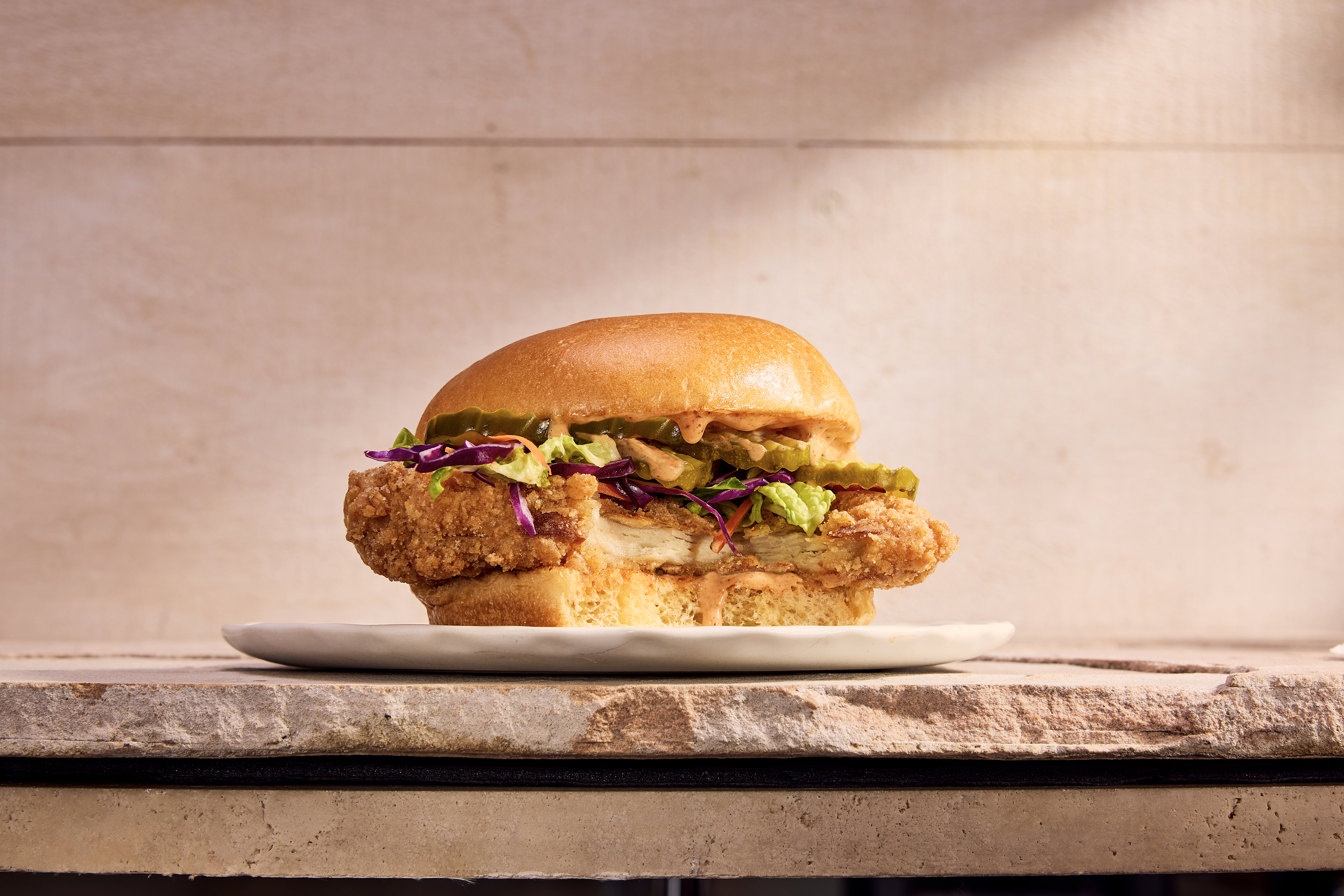
The product itself combines cultivated chicken cells with plant-based ingredients — soy protein isolate, pea fiber, and olive oil — a formulation that cleared two separate federal review cycles. UPSIDE now holds a second FDA No Questions Letter and a second USDA label approval, making it the first company globally to achieve U.S. regulatory clearance for two distinct cultivated meat products. That dual-approval status matters for operators writing menu specs and for procurement teams evaluating supplier compliance documentation.
Operator Rollout
Initial distribution spans both noncommercial and commercial foodservice segments. On the noncommercial side, Stanford Dining is an early adopter, signaling that large institutional accounts — with the volume purchasing and consistent throughput they represent — are a primary channel target. Corporate campus dining programs are also listed as launch partners. On the commercial restaurant side, placements include Chimmelier (Los Angeles, all locations), EPIC Steak and Waterbar in San Francisco, Mersea on Treasure Island, Hurrica in Redwood City, and both Los Angeles and San Francisco locations of Jilli. Chef Thomas Keller is developing a UPSIDE Chicken dish for his Burgers & Half Bottles concept, while James Beard Lifetime Achievement honoree Nancy Silverton is serving as a culinary adviser — relationships that lend credibility to menu development conversations with chefs and foodservice directors.
For kitchen operators speccing ingredient sourcing and storage, UPSIDE Chicken ships as a processed protein product, meaning standard refrigerated storage and conventional cooking equipment apply. No specialized back-of-house equipment changes are required at the restaurant level — a practical advantage over novel protein formats that demand dedicated fryers or altered hold-temperature protocols. Operators already running cold-chain and refrigerated storage programs for poultry products should find integration straightforward.
Halal Certification and Market Access
UPSIDE is also the first cultivated meat company to earn halal certification, following a year-long evaluation by Circle H under its globally recognized Ⓗ® halo co-brand. The certification opens the product to an estimated 2 billion halal-observant consumers worldwide and is particularly relevant for university dining operators and corporate campuses serving diverse populations. Contract foodservice management companies speccing protein options for multi-faith dining programs now have a cultivated chicken SKU with documented halal standing to evaluate alongside conventional certified-halal poultry suppliers.
The broader implication for foodservice energy and sustainability planning is a production model that compresses the land, water, and logistics footprint of protein supply. As commissary and ghost-kitchen operators look to streamline ingredient sourcing and reduce supply-chain exposure, a domestically produced, federally approved protein with a compact manufacturing footprint represents a category worth watching in facility and menu-planning discussions.
Written by Michael Politz, Author of Guide to Restaurant Success: The Proven Process for Starting Any Restaurant Business From Scratch to Success (ISBN: 978-1-119-66896-1), Founder of Food & Beverage Magazine, the leading online magazine and resource in the industry. Designer of the Bluetooth logo and recognized in Entrepreneur Magazine's "Top 40 Under 40" for founding American Wholesale Floral, Politz is also the Co-founder of the Proof Awards and the CPG Awards and a partner in numerous consumer brands across the food and beverage sector.