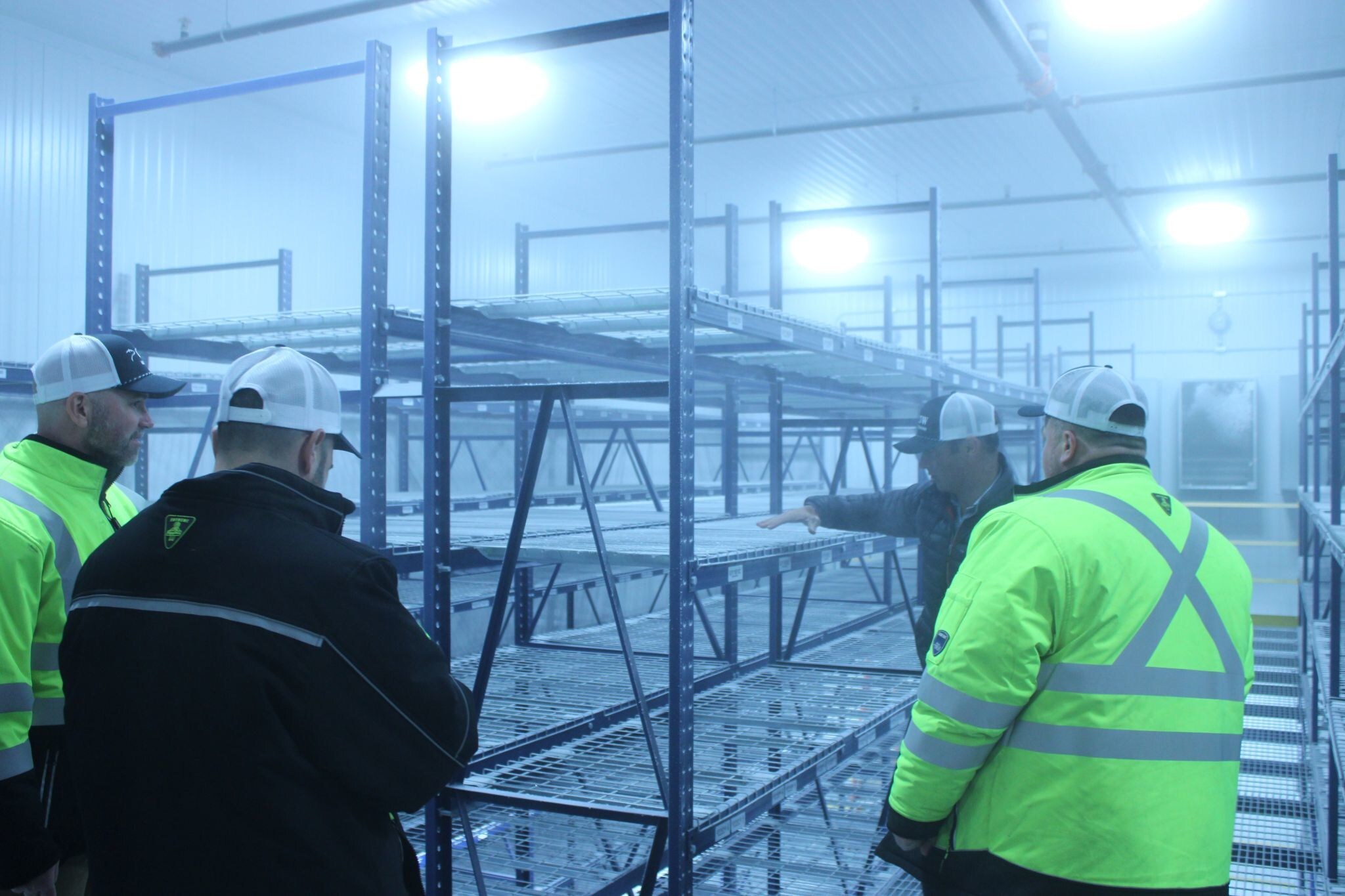
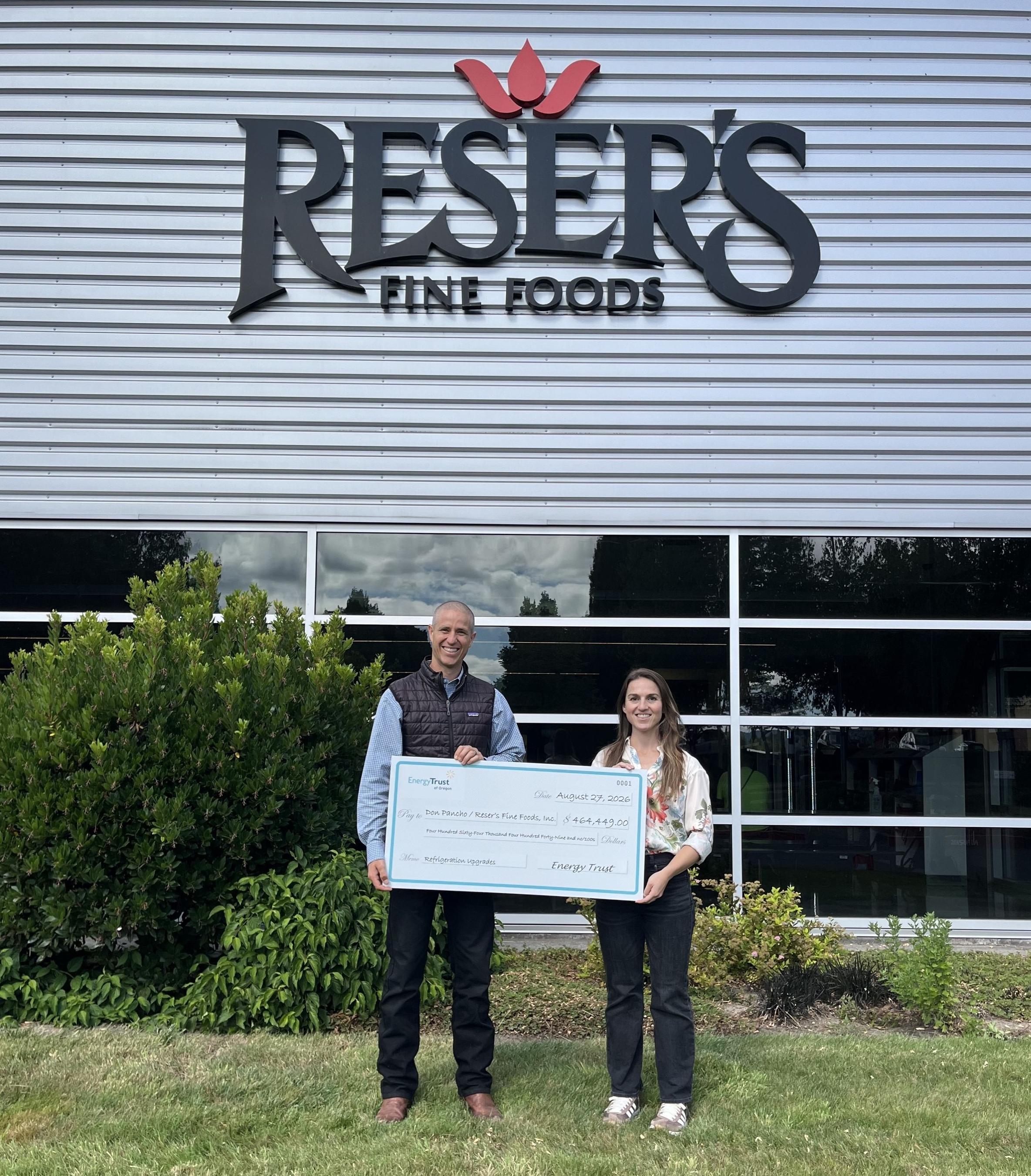
A centralized carbon dioxide refrigeration system and a variable-speed compressed air upgrade at Reser's Fine Foods' new Don Pancho West plant in Salem, Oregon are expected to cut overall facility electricity consumption by more than 20%, or nearly 1.9 million kilowatt-hours annually, while reducing facility emissions by 8%.
The Refrigeration Spec
The new centralized CO₂ system replaces six legacy units that used refrigerants with higher global warming potential. According to Reser's, the system is projected to consume 41% less electricity than the modeled baseline, deliver more consistent temperature control, and provide 114% greater refrigeration capacity — a substantial performance step-up in a single facility buildout. The shift positions Reser's among early food manufacturing adopters of transcritical or CO₂-based refrigeration, a technology that has been gaining traction in grocery and foodservice cold-chain applications as HFC phase-down timelines tighten under EPA regulations. Operators and equipment specifiers evaluating refrigeration upgrades for large-scale food production will find the Reser's project a data-rich case study once post-installation performance figures are published.
Don Pancho relocated to the new 300,000-square-foot facility in September 2025, consolidating and expanding production capacity for the tortilla and Mexican food brand. The facility move gave Reser's a clean-sheet opportunity to engineer energy-and-sustainability best practices into core mechanical systems from the outset rather than retrofitting an existing building — an approach that typically yields stronger efficiency returns.
Compressed Air Gains
The compressed air project paired a variable-speed drive compressor with an energy-efficient heated-blower dryer. By modulating output to match real-time facility demand and minimizing air losses, the system is projected to use 44% less electricity than the modeled baseline. Variable-speed compressed air is increasingly specified in high-output food manufacturing environments where fixed-speed compressors routinely waste energy cycling against fluctuating demand.
Energy Trust of Oregon, an independent nonprofit utility program administrator, provided a no-cost energy study, technical assistance, and post-installation performance verification. The organization and Reser's have collaborated on efficiency projects across multiple facilities since 2003. "Energy Trust brought valuable technical expertise to the process and helped us evaluate solutions that support efficient, reliable operations," said Rusty Corriell, Director of Capital Projects at Reser's Fine Foods.
For equipment dealers and consultants working in the food manufacturing and commissary kitchen space, the Don Pancho West project illustrates how a new-construction commissary or production facility buildout can absorb next-generation refrigerant technology and smart compressed air management simultaneously — and validate the results through independent third-party measurement. As refrigerant regulations evolve and utility incentive programs expand, early-adopter projects like this one are likely to serve as specification benchmarks for the broader foodservice and food production industry.
Written by Michael Politz, Author of Guide to Restaurant Success: The Proven Process for Starting Any Restaurant Business From Scratch to Success (ISBN: 978-1-119-66896-1), Founder of Food & Beverage Magazine, the leading online magazine and resource in the industry. Designer of the Bluetooth logo and recognized in Entrepreneur Magazine's "Top 40 Under 40" for founding American Wholesale Floral, Politz is also the Co-founder of the Proof Awards and the CPG Awards and a partner in numerous consumer brands across the food and beverage sector.