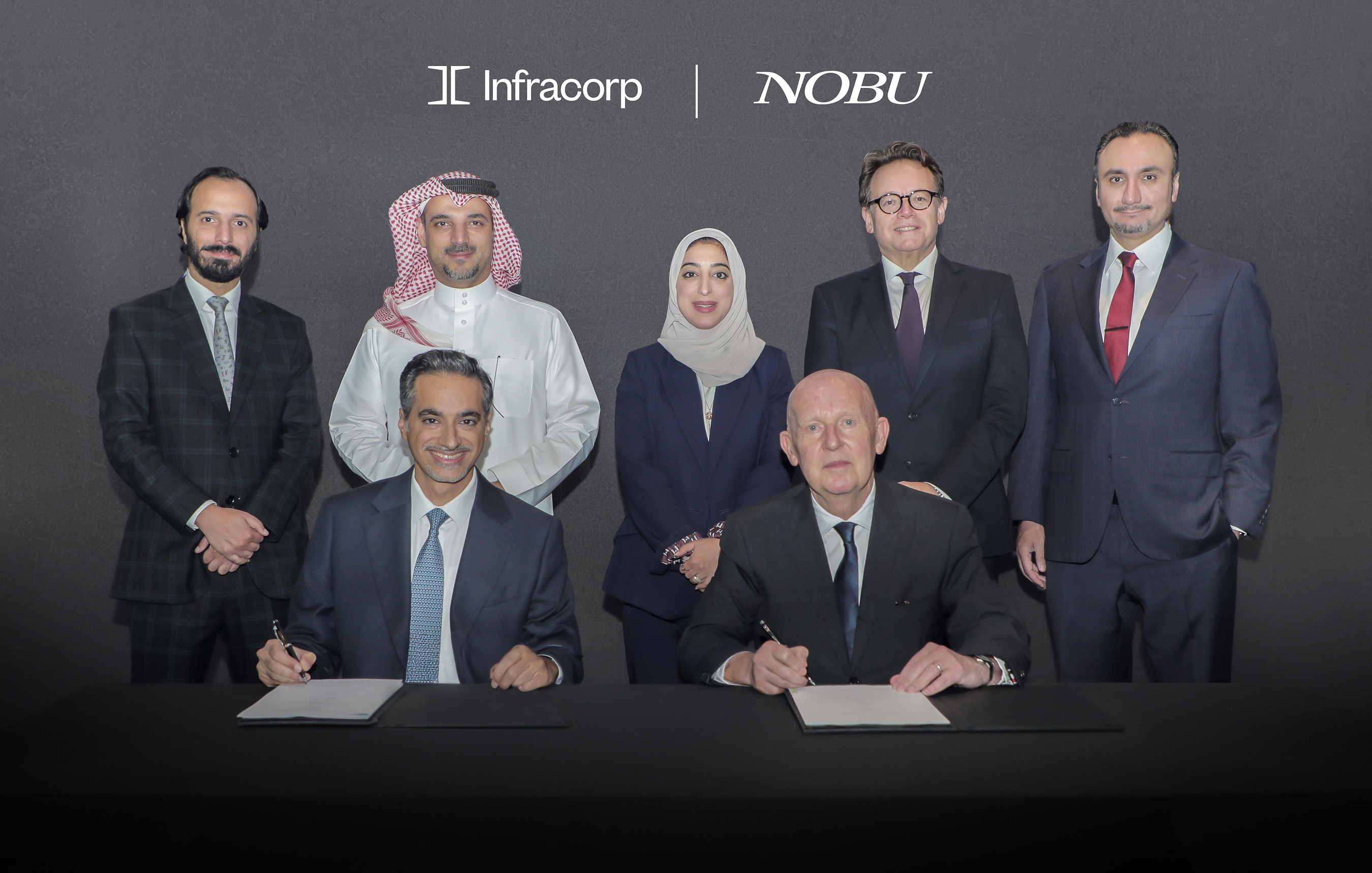
A new Nobu hotel, signature restaurant, and branded residences are headed to Marina Bay, Reef Island, Bahrain, following a partnership agreement between Nobu Hospitality and Infracorp. The mixed-use development will cover approximately 51,000 square meters of gross floor area and is projected to deliver over a three-year construction timeline — making it one of the more substantial hospitality kitchen build-outs currently announced for the Gulf region.
Back-of-House Implications
For foodservice equipment consultants and dealers active in the Middle East, a Nobu restaurant build commands attention. The brand's Japanese-inspired culinary program — sushi and sashimi prep, robata grilling, cold plating, and elaborate omakase presentations — demands highly specialized back-of-house infrastructure. That typically includes precision refrigeration and blast-chilling, high-output induction and gas cooking suites, purpose-built cold-chain storage, and commercial ventilation systems sized for a high-volume, multi-outlet kitchen. Projects of this scale routinely involve dedicated cooking-equipment specification and custom hood and exhaust design that must comply with local mechanical codes as well as the brand's own operational standards.
The 51,000-square-meter GFA figure encompasses hotel rooms, residences, and restaurant space, so the dedicated kitchen and ancillary BOH footprint will be a subset of the total — but Nobu's signature restaurants typically operate as destination venues with full-scale production kitchens, bar programs requiring commercial ice and beverage systems, and significant warewashing capacity. Specifiers will also need to account for Bahrain's climate when sizing refrigeration loads and cold-chain storage for a seafood-forward menu concept.
Regional Expansion Context
The Bahrain project extends Nobu's existing Middle East presence and reflects a broader regional trend of luxury hospitality brands commissioning full-service kitchen builds to support destination dining. Bahrain's government, through the Bahrain Economic Development Board and the Bahrain Tourism and Exhibitions Authority, actively facilitated the deal — a pattern seen across the Gulf as countries compete to attract internationally recognized F&B brands.
Trevor Horwell, Chief Executive Officer of Nobu Hospitality, described Bahrain as "an exciting new chapter" for the brand's Middle East growth, emphasizing the importance of cuisine and design as the twin pillars of each new location. That dual emphasis historically translates into premium equipment budgets and tightly specified kitchens built to replicate the brand's global culinary standards regardless of geography.
For equipment dealers and manufacturer reps with distribution channels in the GCC region, a three-year development window opens an extended procurement cycle. Projects of this complexity — integrating hotel banquet production, a flagship à la carte restaurant, and potentially in-residence dining services — typically generate multiple equipment bid packages across cooking, refrigeration, warewashing, ventilation, and prep categories.
Written by Michael Politz, Author of Guide to Restaurant Success: The Proven Process for Starting Any Restaurant Business From Scratch to Success (ISBN: 978-1-119-66896-1), Founder of Food & Beverage Magazine, the leading online magazine and resource in the industry. Designer of the Bluetooth logo and recognized in Entrepreneur Magazine's "Top 40 Under 40" for founding American Wholesale Floral, Politz is also the Co-founder of the Proof Awards and the CPG Awards and a partner in numerous consumer brands across the food and beverage sector.
Frequently Asked Questions
What's the total scope of the Nobu Bahrain project, and why should equipment dealers care?
The Marina Bay, Reef Island development spans 51,000 square meters of gross floor area—hotel, residences, and restaurant combined—with a three-year construction timeline. That's a major kitchen build-out in the Gulf, and it's the kind of mixed-use project that demands coordinated BOH specification across multiple outlets and back-of-house zones.
What specialized kitchen equipment does a Nobu restaurant typically require?
Nobu's Japanese-forward menu—sushi prep, robata grilling, omakase service—requires precision refrigeration, blast-chilling systems, high-output induction and gas cooking suites, purpose-built cold-chain storage, and commercial ice machines for bar programs. Commercial ventilation and custom hood design sized for high-volume production is non-negotiable.
How does Bahrain's climate affect equipment specification for this project?
Gulf heat loads demand oversized refrigeration capacity and aggressive cold-chain storage sizing for seafood-heavy menus. Dealers need to spec redundancy into cooling systems and account for higher ambient temperatures when calculating condenser loads and ventilation exhaust capacity.
Who's behind this project, and what does that mean for equipment compliance?
Nobu Hospitality and Infracorp are the partners. Nobu maintains strict operational standards alongside Bahrain's mechanical codes, so equipment specs must satisfy both brand requirements and local jurisdiction—this isn't a case where you can cut corners on hood design or ventilation code compliance.
What's the realistic kitchen footprint within that 51,000-square-meter total?
The dedicated kitchen and BOH will be a subset of the total GFA, but Nobu's signature restaurants operate as destination venues. Expect a full-scale production kitchen with significant warewashing capacity, multiple cooking stations, and dedicated prep zones—easily 3,000 to 5,000 square meters of specialized foodservice space.