A new 115-room hotel in Winooski, Vermont has opened with what Marriott International says is its first fully electric commercial kitchen operation across its entire global portfolio—no gas lines, no fuel tanks, no combustion anywhere on property. Sugar House Hotel, part of the Tribute Portfolio brand, is designed to achieve net-zero energy operations and LEED Platinum certification, two distinctions that place its back-of-house buildout at the leading edge of sustainable foodservice design.
The All-Electric Kitchen
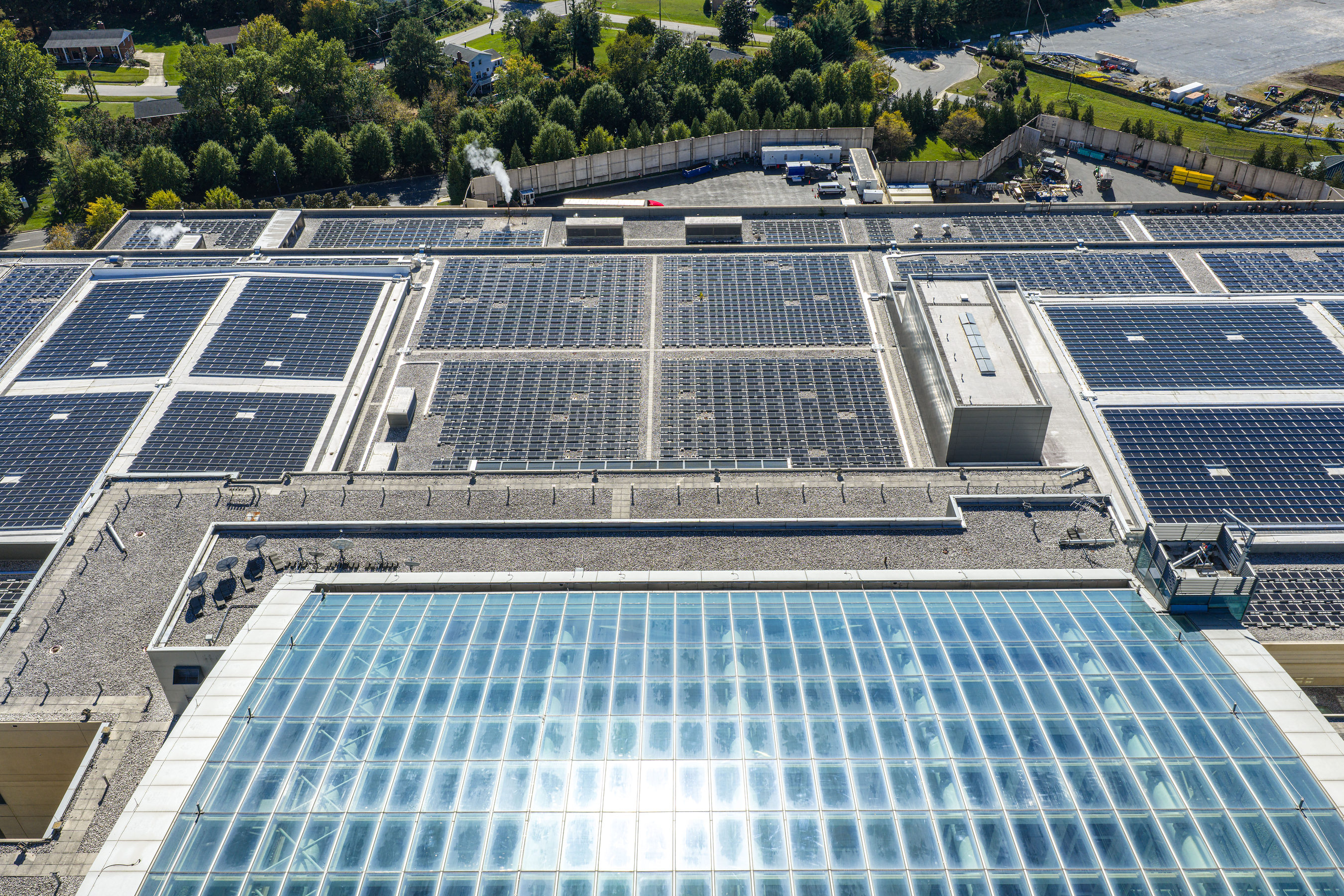
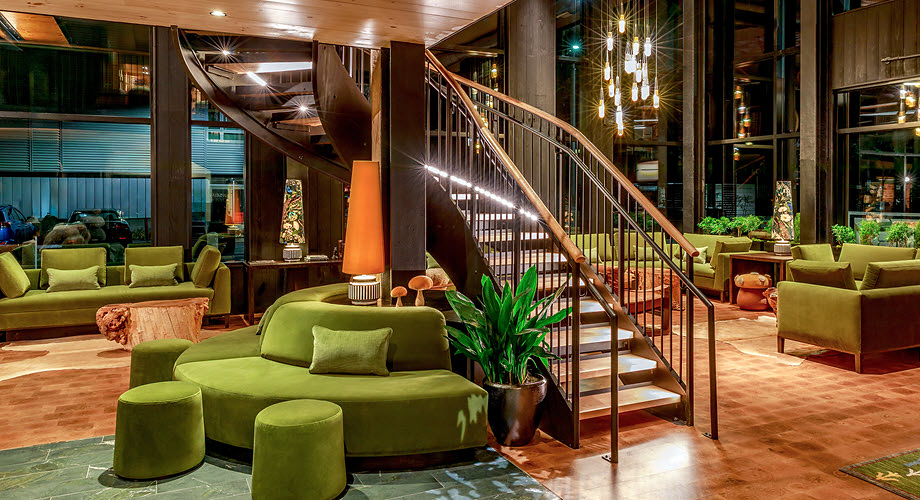
The property's food and beverage program includes Treetops Restaurant, a rooftop venue described as the only rooftop restaurant and bar in the Greater Burlington area, alongside MOSS Café + Bar, an all-day lobby concept serving coffee, deli fare, and seasonal cocktails. Both operations run on electricity exclusively. Rooftop solar panels are sized to generate approximately one-third of the building's total energy load, while a geothermal well system handles heating, cooling, and hot-water production—functions that in a conventional hotel kitchen buildout would typically rely on natural gas boilers and water heaters. For foodservice equipment consultants and specifiers increasingly asked to design gas-free kitchens, Sugar House represents a fully realized hospitality case study at brand scale.
The shift away from gas in commercial kitchens has accelerated as municipalities across the U.S. tighten building codes and operators pursue electrification roadmaps. Induction cooking, electric combi ovens, and heat-pump water heating are the core technologies enabling these transitions, and operators who complete all-electric builds today are positioning themselves ahead of regulatory curves already in effect in California, New York, and several New England jurisdictions—including Vermont, where the hotel sits. Dealers and reps working the Northeast corridor will recognize Sugar House as a proof-of-concept that a full-service hotel F&B operation can run without any fossil-fuel infrastructure, a point that carries weight in consultant presentations and owner conversations alike.
Sustainability by Design
Beyond the kitchen equipment strategy, the broader facility buildout reflects priorities that energy-and-sustainability specifiers track closely. Water-efficient plumbing fixtures including low-flow showerheads are installed throughout. Eight electric-vehicle charging stations serve the parking area, and an all-electric shuttle connects guests to Burlington International Airport. Reclaimed timbers from Vermont's historic North Hero drawbridge were repurposed into the Treetops bar and elevator lobby tables—a material reuse approach that contributes to both LEED credit accumulation and the property's local character narrative.
Developed by Nedde Real Estate and Lodging Capital Partners and operated by Fathom Companies, the project represents the kind of owner-operator-brand alignment that makes net-zero hospitality builds feasible. "Our goal was to create a building that wasn't just in Vermont, but of Vermont," said Doug Nedde, Principal of Nedde Real Estate. The 104-acre nature preserve adjacent to the site and a 180-foot wooden bridge connecting guests to a 1.2-mile gorge trail reinforce that positioning without adding to the mechanical plant. For the commercial kitchen design and buildout community, the more instructive detail is simpler: a full hotel food and beverage operation, rooftop restaurant included, running clean with no compromise to service scope.
Written by Michael Politz, Author of Guide to Restaurant Success: The Proven Process for Starting Any Restaurant Business From Scratch to Success (ISBN: 978-1-119-66896-1), Founder of Food & Beverage Magazine, the leading online magazine and resource in the industry. Designer of the Bluetooth logo and recognized in Entrepreneur Magazine's "Top 40 Under 40" for founding American Wholesale Floral, Politz is also the Co-founder of the Proof Awards and the CPG Awards and a partner in numerous consumer brands across the food and beverage sector.
Frequently Asked Questions
What equipment does Sugar House Hotel use to replace gas cooking?
Induction cooktops and electric combi ovens power both Treetops Restaurant and MOSS Café + Bar. A geothermal well system replaces traditional gas boilers for heating, cooling, and hot-water production—eliminating every combustion point in the back-of-house.
How does a 115-room hotel generate enough electricity for an all-electric kitchen?
Rooftop solar panels generate approximately one-third of the building's total energy load, while the geothermal system handles thermal loads traditionally supplied by gas. The net-zero design means the property generates as much energy as it consumes annually.
Is this the first all-electric hotel kitchen for Marriott?
Yes—Sugar House Hotel represents Marriott's first fully electric commercial kitchen across its entire global portfolio of properties. The Tribute Portfolio property is pursuing both net-zero energy operations and LEED Platinum certification.
Why should equipment dealers care about Sugar House?
California, New York, and several New England jurisdictions have already tightened building codes against gas in commercial kitchens. This fully realized case study at brand scale shows operators and specifiers exactly how to design and outfit gas-free kitchens before regulatory mandates hit your region.
What's driving the shift away from gas in commercial kitchens?
Municipal code changes and operator electrification roadmaps are accelerating adoption. Induction, electric combi ovens, and heat-pump water heating now make all-electric builds viable—and operators completing them today avoid being forced into expensive retrofits when stricter codes take effect.