
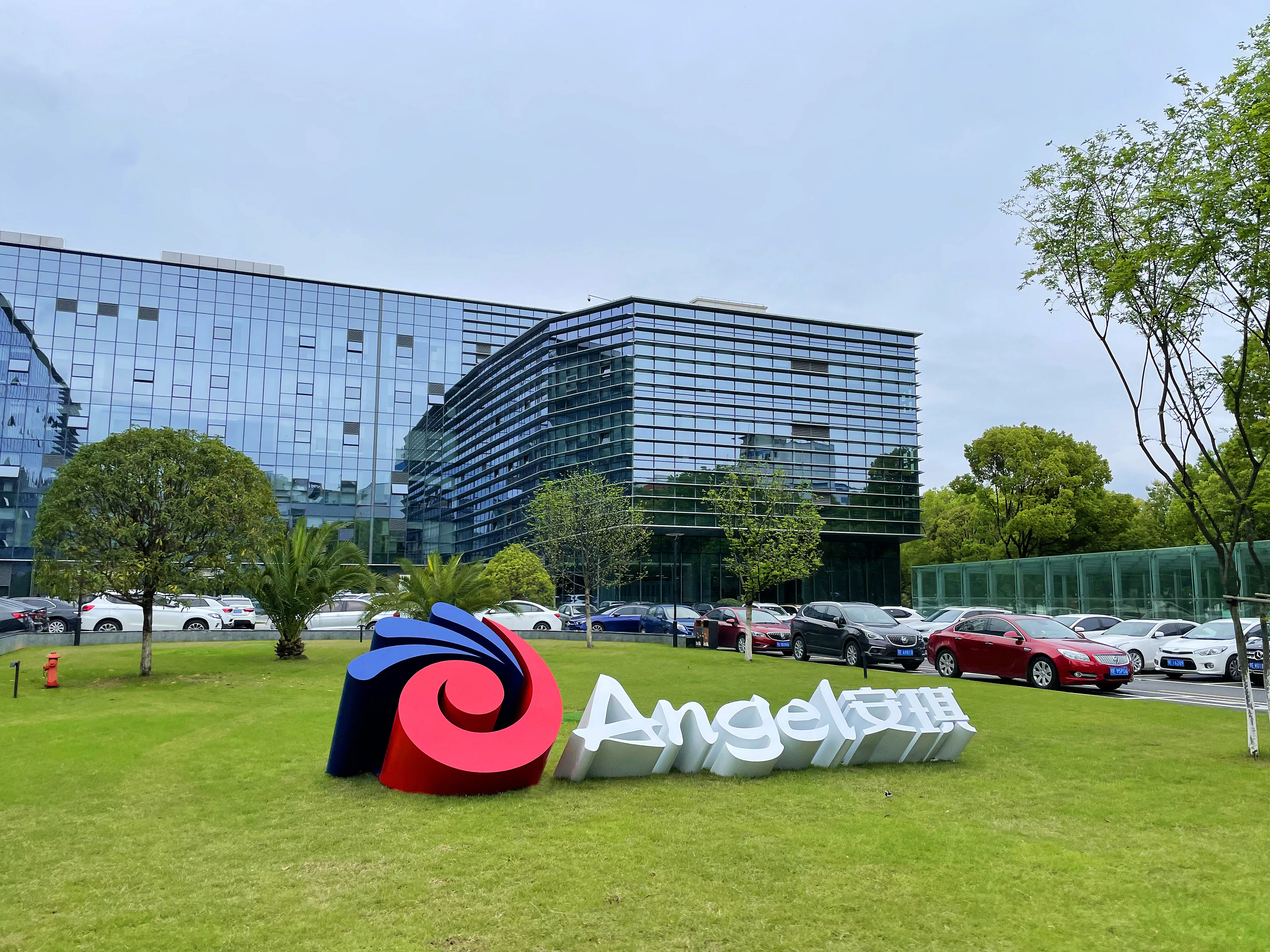
Angel Yeast (SSE: 600298), one of the world's largest yeast manufacturers, released its 2025 Sustainability Report this month as the company marks its 40th anniversary. The disclosure is structured around four themes — Stable Development, Strong Momentum, Green Ecosystem, and Warm Care — and covers food safety practices, risk management, biotechnology innovation, environmental stewardship, and employee well-being.
For foodservice operators and ingredient specifiers who source yeast-derived products — including bakers' yeast, yeast extracts, and fermentation-based flavor compounds used across commercial kitchens — the report's food safety and supply-chain risk sections carry direct relevance. As global supply chains remain under pressure, transparency from upstream ingredient manufacturers has become an increasingly important factor in procurement decisions.
The report includes a dedicated ESG section addressing governance frameworks, stakeholder engagement processes, and a materiality assessment that identifies issues of greatest importance to the company and its partners. Angel Yeast has production operations across China and internationally, meaning the environmental stewardship data in the report reflects a manufacturing footprint that touches multiple regulatory environments.
Biotechnology innovation is called out as a core pillar, consistent with broader industry movement toward precision fermentation and next-generation yeast strains that can deliver cleaner-label flavor profiles — a specification point gaining traction among foodservice R&D teams and prep-and-storage procurement specialists. The green ecosystem theme aligns with sustainability mandates that many large foodservice operators now pass down to their ingredient suppliers.
While the report does not disclose specific capital investment figures or production capacity numbers, its release signals that Angel Yeast is positioning its ESG credentials as a competitive differentiator in a market where energy-and-sustainability compliance is increasingly a baseline expectation rather than a bonus. Operators evaluating long-term ingredient partnerships — particularly those with their own published sustainability commitments — will find the framework useful when assessing supplier alignment.
Written by Michael Politz, Author of Guide to Restaurant Success: The Proven Process for Starting Any Restaurant Business From Scratch to Success (ISBN: 978-1-119-66896-1), Founder of Food & Beverage Magazine, the leading online magazine and resource in the industry. Designer of the Bluetooth logo and recognized in Entrepreneur Magazine's "Top 40 Under 40" for founding American Wholesale Floral, Politz is also the Co-founder of the Proof Awards and the CPG Awards and a partner in numerous consumer brands across the food and beverage sector.